
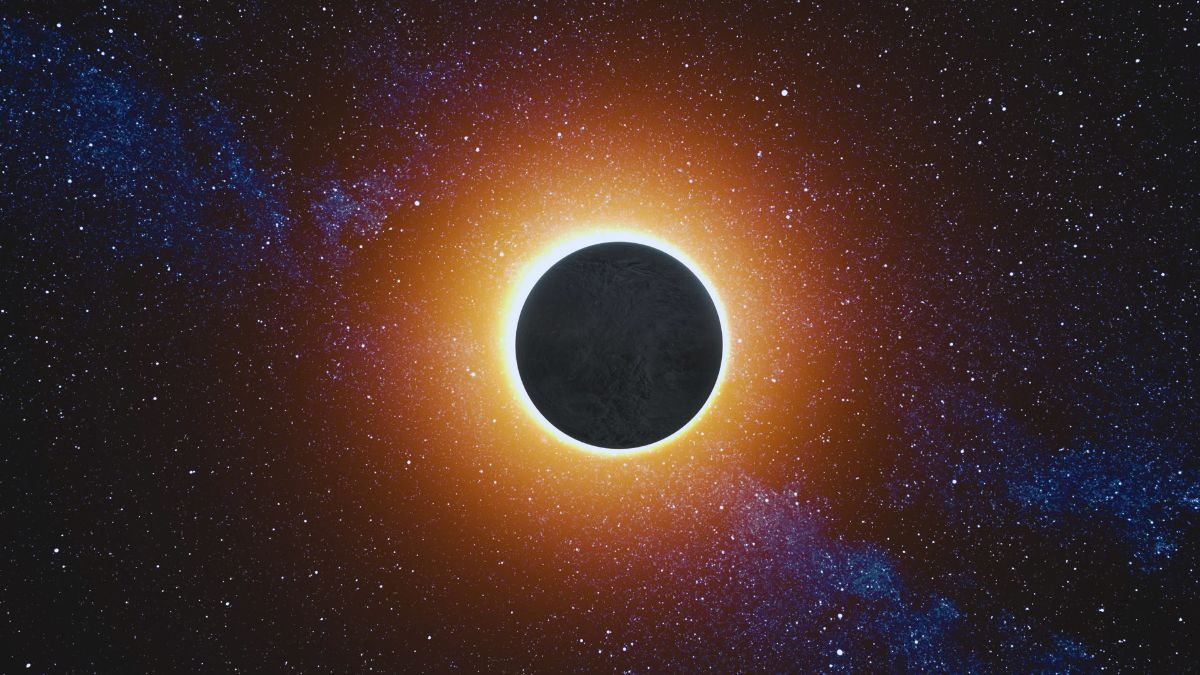
The solar eclipse on March 29, 2025, promises to be an exciting celestial event, captivating skywatchers across parts of the Northern Hemisphere. As a partial solar eclipse, it will offer a unique spectacle, but it also comes with potential risks and misconceptions. To fully enjoy this phenomenon without harm or disappointment, here are 10 key things to avoid during the solar eclipse, ensuring your safety and a memorable experience.
Take a look at things to avoid during the Solar Eclipse on March 29, 2025:
Avoid Looking Directly at the Sun Without Protection
One of the most critical mistakes during a solar eclipse is gazing at the Sun without proper eye protection. Even though the Moon will partially cover the Sun on March 29, 2025, the exposed portion remains dangerously bright. Staring at it can cause solar retinopathy—permanent damage to your retina—leading to vision loss. Don’t use regular sunglasses, camera lenses, or binoculars without certified solar filters, as they won’t block harmful ultraviolet and infrared rays. Instead, use ISO 12312-2 compliant solar eclipse glasses or indirect viewing methods like pinhole projectors.
Avoid Assuming It’s Safe During Peak Coverage
During a partial solar eclipse like the one on March 29, 2025, the Sun is never fully obscured, unlike a total eclipse. Some people mistakenly believe that the dimming light makes it safe to glance at the Sun unprotected. This is false—the Sun’s rays remain hazardous throughout the event, even at its peak. Always keep your protective gear on or use safe viewing techniques from start to finish.
Avoid Using Unverified or Damaged Viewing Equipment
Not all solar viewing tools are created equal. Avoid using homemade filters, scratched solar glasses, or untested equipment, as they may not adequately shield your eyes. Don’t trust items like smoked glass, exposed film, or DIY solutions unless they’ve been scientifically validated. Check your solar eclipse glasses for tears or scratches before use, and purchase them from reputable vendors recommended by astronomy organizations like NASA or the American Astronomical Society.
Avoid Driving While Distracted by the Eclipse
If you’re on the road during the eclipse, resist the urge to watch it while driving. The partial eclipse may dim the sky slightly, tempting you to sneak a peek, but this can lead to accidents. Don’t attempt to view the eclipse through your windshield or while operating a vehicle. If you want to observe it, pull over to a safe spot, park, and use proper viewing methods.
Avoid Ignoring Local Weather Conditions
Weather can make or break your eclipse experience. Don’t assume clear skies will prevail without checking forecasts for March 29, 2025. Cloudy or stormy conditions in your viewing area—such as parts of Canada, Greenland, or northern Europe—could obscure the event. Avoid last-minute disappointment by researching backup locations with better weather prospects or planning to watch a live stream if conditions worsen.
Avoid Overlooking Safety for Pets and Children
Pets and young children may not understand the dangers of a solar eclipse. Don’t leave them unsupervised, as they might look at the Sun out of curiosity. Avoid letting pets roam freely outdoors during the event, as they could suffer eye damage. For kids, ensure they wear solar glasses and are guided by an adult to follow safety protocols.
Avoid Relying on Myths or Superstitions
Throughout history, solar eclipses have sparked myths—like the idea that they harm pregnant women, spoil food, or bring bad luck. Scientifically, these claims are baseless. Don’t avoid going outside or taking sensible precautions based on folklore. The eclipse is a natural event caused by the Moon’s alignment with the Sun and Earth, not a supernatural occurrence.
Avoid Waiting Until the Last Minute to Prepare
Solar eclipse glasses and viewing supplies often sell out as the date approaches. Don’t procrastinate on gathering your gear or planning your viewing spot. Avoid the rush by purchasing certified equipment early and confirming the eclipse’s timing and visibility in your location (e.g., northeastern U.S., Scandinavia, or Arctic regions) well in advance.
Avoid Using Cameras or Phones Without Solar Filters
Photographing the eclipse can be tempting, but pointing an unprotected camera, smartphone, or telescope at the Sun can damage the device’s sensor and your eyes if you look through the viewfinder. Don’t skip solar filters designed for photography—they’re essential for capturing the March 29, 2025, partial eclipse safely and effectively.
Avoid Missing the Experience Entirely
While safety is crucial, don’t let fear or lack of preparation stop you from enjoying this cosmic event. The March 29, 2025, partial solar eclipse won’t be as dramatic as a total eclipse, but it’s still a rare sight. Avoid staying indoors or dismissing it—plan ahead, stay safe, and take part in this natural wonder.
Final Thoughts
The solar eclipse on March 29, 2025, is a fantastic opportunity to witness the beauty of our solar system, but it requires caution and awareness. By avoiding these 10 common pitfalls—such as unprotected viewing, distractions, or poor planning—you can protect your health and make the most of the experience. Check trusted astronomy resources for updates, secure your solar glasses, and get ready for a safe and awe-inspiring event!