
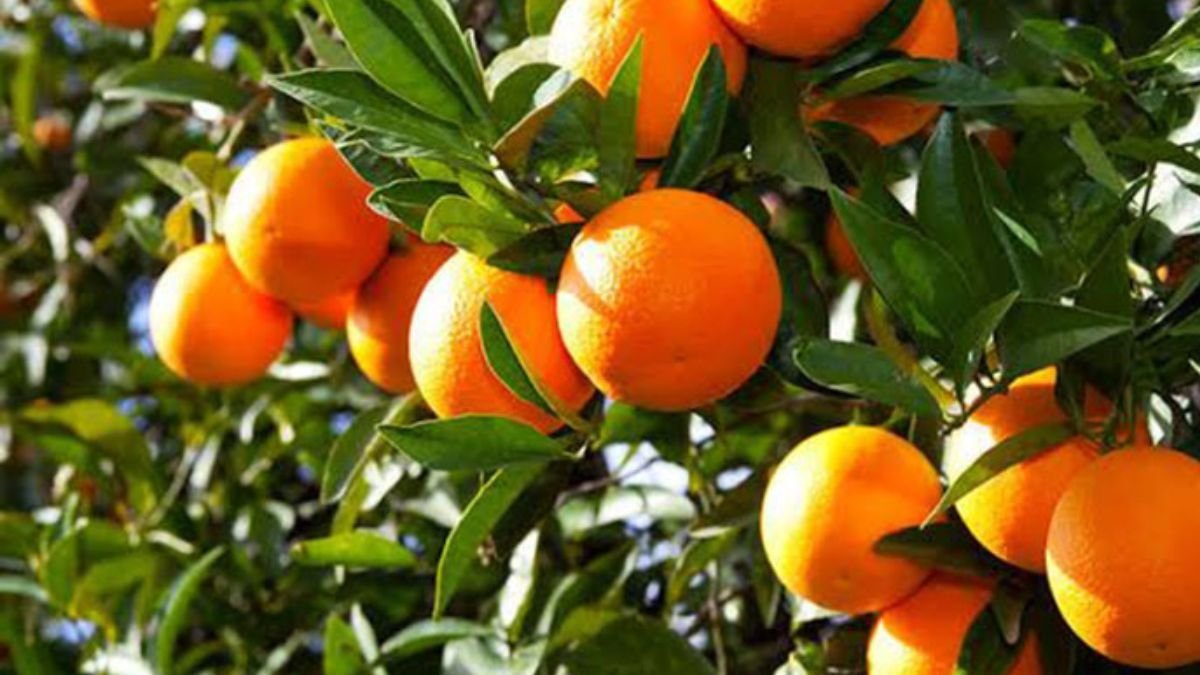
Malta, commonly known as sweet orange, is more than just a refreshing fruit — it’s a nutritional powerhouse loaded with essential vitamins, minerals, and antioxidants. Widely consumed in tropical and subtropical regions, Malta is often underestimated compared to more “exotic” fruits, yet it offers scientifically proven health advantages that go beyond basic nourishment. Whether eaten whole or in salads, this citrus fruit delivers a unique combination of vitamin C, dietary fiber, potassium, and flavonoids — all of which support various aspects of human health.
From enhancing immune defense to improving digestion and skin clarity, the benefits of consuming Malta daily are both immediate and long-term. This article dives into the five most impactful benefits of adding Malta to your everyday diet, supported by nutritional facts and real wellness advantages.
1. Malta Boosts Immunity with High Vitamin C Content
One of the most significant benefits of consuming Malta daily is its high vitamin C concentration, which plays a pivotal role in strengthening the immune system. A single medium-sized Malta (sweet orange) can provide up to 90% of your daily recommended vitamin C intake, which helps stimulate white blood cell production and enhances the body’s defense against infections. Regular consumption helps reduce the severity and duration of common colds and provides long-term immune support, particularly during seasonal changes.
2. Malta Improves Skin Health and Slows Premature Ageing
Rich in antioxidants like vitamin C and flavonoids, Malta supports healthy skin by promoting collagen production — a protein responsible for skin elasticity and firmness. This not only helps maintain youthful-looking skin but also reduces signs of premature ageing such as fine lines and dullness. The natural citrus acids in Malta help cleanse the skin from within, contributing to a natural glow and reducing acne breakouts. Regular intake also protects skin from free radical damage and sun exposure.
3. Malta Aids Digestion with Natural Dietary Fiber
Malta is an excellent source of dietary fiber, particularly soluble fiber like pectin, which improves digestive health by regulating bowel movements and promoting gut flora. Just one Malta fruit offers around 3 grams of fiber, which helps prevent constipation, reduce bloating, and ease overall digestion. The fiber also slows sugar absorption, stabilizing blood sugar levels — beneficial for individuals at risk of diabetes. Unlike juices, consuming the whole fruit ensures you retain all its digestive benefits.
4. Malta Supports Heart Health by Lowering Bad Cholesterol
Regular consumption of Malta has been linked to improved cardiovascular health due to its ability to reduce LDL (bad cholesterol) levels. The hesperidin flavonoid found in Malta helps lower blood pressure and improves blood vessel function. Additionally, the fruit’s potassium content aids in maintaining healthy heart rhythm and regulating blood pressure. These combined effects reduce the risk of heart disease and stroke, making Malta a heart-friendly citrus option.
5. Malta Promotes Healthy Weight Loss Naturally
Low in calories yet rich in fiber and water, Malta is a smart addition to weight loss diets. Each medium-sized fruit contains about 60–70 calories, making it a filling yet low-energy-dense food. The fiber content in Malta slows digestion and increases satiety, reducing overall calorie intake. Also, the natural sugars in Malta curb sweet cravings without the glycemic spike, making it an ideal snack for those aiming to shed pounds without feeling deprived.
Adding Malta to your daily routine offers multiple science-backed health benefits — from boosting immunity and enhancing skin to promoting heart health and aiding weight loss. Its nutrient-rich profile makes it more than just a tasty citrus fruit; it’s a natural wellness booster.