
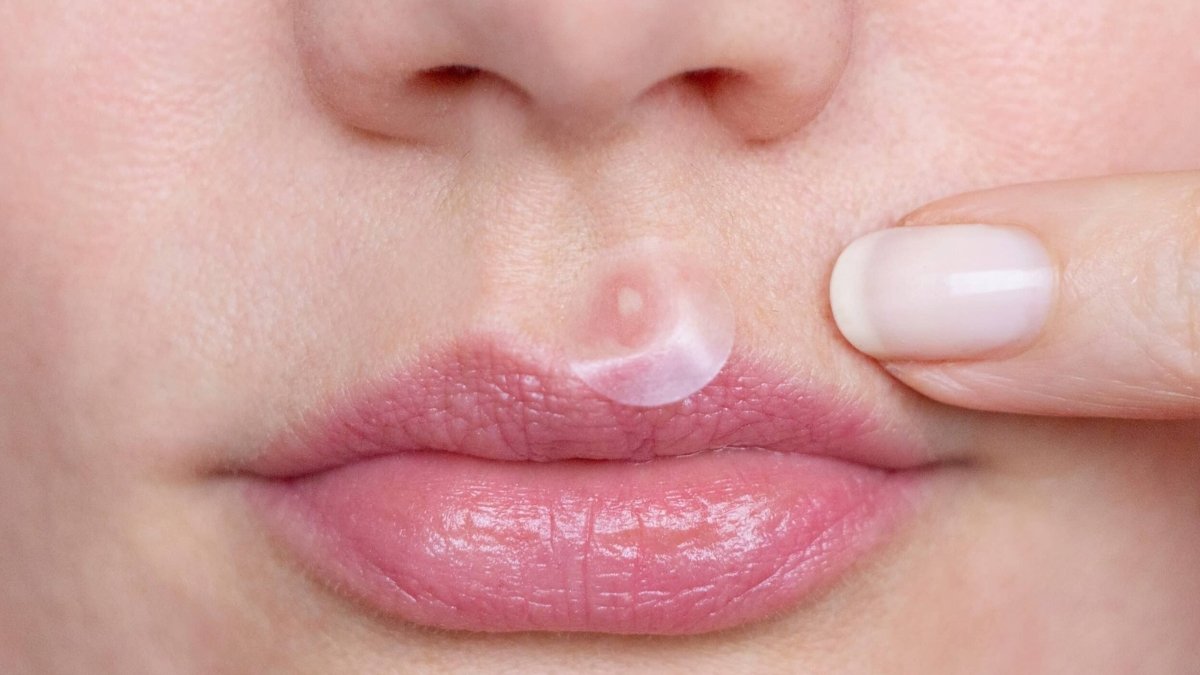
Pimple patches have emerged as one of the most effective over-the-counter skincare solutions for acne. These small, discreet stickers offer targeted treatment for pimples without the need for harsh chemicals or aggressive skincare routines. Below, we explore five specific benefits of using pimple patch on face, especially for those struggling with breakouts and acne-prone skin.
1. Pimple Patches Absorb Pus and Fluid from Active Acne
One of the most immediate benefits of using a pimple patch on the face is its ability to absorb fluid and pus from inflamed pimples. Most patches are made with hydrocolloid, a material that draws out moisture from wounds. When applied to a pimple—especially whiteheads or pus-filled acne—the patch gently absorbs the exudate while keeping the skin around it dry. This not only accelerates the healing process but also prevents further infection and swelling. Within hours, you can often see the patch turn white, indicating it has extracted fluid from the pimple.
2. Prevents Touching and Popping of Pimples
Touching or picking at pimples can worsen inflammation, cause scarring, and spread bacteria. A pimple patch acts as a physical barrier, preventing hands from unconsciously touching the blemish. This reduces the risk of introducing external bacteria or causing trauma to the skin. For people who struggle with the urge to pop pimples, using a patch creates a safe, non-invasive way to protect healing spots and reduce the chances of post-acne marks.
3. Protects Pimples from External Dirt and Bacteria
Throughout the day, skin is exposed to dust, pollution, sweat, and bacteria—all of which can aggravate acne. Applying a pimple patch on the face creates a sealed environment over the blemish, shielding it from environmental irritants. This protection is particularly helpful if you’re commuting, working out, or wearing makeup. Some pimple patches are even formulated to be worn under makeup, acting as a protective barrier while allowing cosmetic application.
4. Speeds Up the Healing Process Without Drying the Skin
Unlike spot treatments that contain benzoyl peroxide or salicylic acid, which can often dry out the surrounding skin, hydrocolloid patches promote healing by maintaining skin hydration. They support the skin’s natural wound-healing environment, allowing the pimple to resolve faster and more gently. Some advanced pimple patches also contain active ingredients like tea tree oil or salicylic acid in controlled doses, which provide antimicrobial benefits without over-drying.
5. Reduces the Risk of Acne Scarring and Hyperpigmentation
Scarring and pigmentation often occur when acne is not allowed to heal properly, especially when it’s picked or exposed to dirt. By covering the acne site and absorbing excess fluid, pimple patches minimize trauma to the skin and lower the chance of post-inflammatory hyperpigmentation or permanent scarring. Early application of a patch on a developing pimple can also reduce its severity and prevent it from turning into a deep cyst or nodule.
Using a pimple patch on face is a simple yet powerful way to manage acne with minimal intervention. Whether you’re trying to protect a blemish, speed up healing, or avoid long-term scars, integrating pimple patches into your skincare routine offers clear, targeted benefits. Always choose patches suitable for your skin type, and apply them to clean, dry skin for best results.