
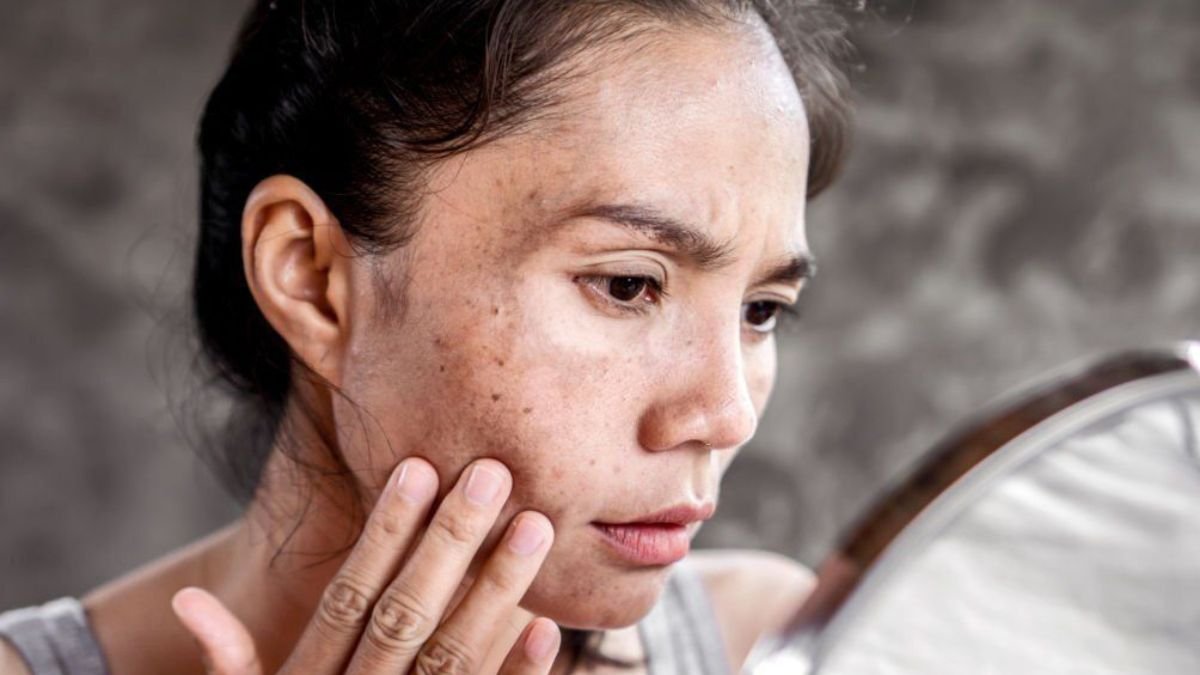
Discover five scientifically supported and dermatologist-approved methods to treat dark spots, from home remedies to professional treatments.
1. Vitamin C Serum for Dark Spots Reduction
Vitamin C is a potent antioxidant known for its ability to lighten hyperpigmentation and improve overall skin tone. Applying a stable, high-quality vitamin C serum can inhibit melanin production, which directly reduces the appearance of dark spots over time. For effective results, use a serum containing 10–20% L-ascorbic acid, preferably in the morning, followed by sunscreen. Brands like SkinCeuticals CE Ferulic or Minimalist Vitamin C 10% are dermatologist-approved and effective for consistent use.
2. Niacinamide to Fade Dark Spots and Strengthen Skin Barrier
Niacinamide (Vitamin B3) is a clinically proven ingredient to fade dark spots and post-inflammatory hyperpigmentation without irritating sensitive skin. Regular application of a serum with 5% niacinamide helps reduce pigmentation while improving skin texture and reducing redness. It is ideal for acne-prone or oily skin and pairs well with zinc or hyaluronic acid. Niacinamide also protects the skin from oxidative stress, making it a multitasking treatment for uneven skin tone.
3. Chemical Peels for Rapid Dark Spot Removal
Professional chemical peels containing glycolic acid, salicylic acid, or lactic acid exfoliate the top layers of the skin, reducing the appearance of dark spots quickly. AHA (alpha hydroxy acid) peels help accelerate cell turnover and reveal newer, brighter skin underneath. While at-home peel kits are available, stronger peels should be done by dermatologists to prevent burns or scarring. For safety, always perform a patch test and avoid sun exposure post-treatment.
4. Azelaic Acid Cream for Treating Post-Acne Dark Spots
Azelaic acid is a dermatologically approved dicarboxylic acid that gently targets hyperpigmentation, especially in darker skin tones where PIH (post-inflammatory hyperpigmentation) is more common. A 10–20% azelaic acid gel or cream not only lightens dark spots but also treats underlying acne and rosacea. It’s safe for long-term use, including during pregnancy, and causes minimal irritation. Prescription-strength options offer faster results but are available only through a dermatologist.
5. Laser Treatments for Stubborn Dark Spots
For persistent or deep pigmentation, laser treatments such as Q-switched Nd:YAG, PicoSure, or fractional CO2 laser provide targeted removal of melanin deposits. These treatments penetrate the skin to break up pigment clusters, resulting in a clearer complexion after a few sessions. Laser therapy must be customized to skin type—especially for Fitzpatrick skin types IV–VI—to avoid adverse effects. Only trained dermatologists or certified laser specialists should perform these procedures.
Not all dark spots are the same—some result from acne, while others come from sun exposure or hormonal changes. Identifying the root cause and choosing the right treatment—whether it’s vitamin C, niacinamide, chemical exfoliants, azelaic acid, or lasers—ensures safe and effective results. Always use sunscreen daily to prevent new spots and protect your treatment results. Consulting a dermatologist helps in selecting the most effective and skin-type-specific approach.


