
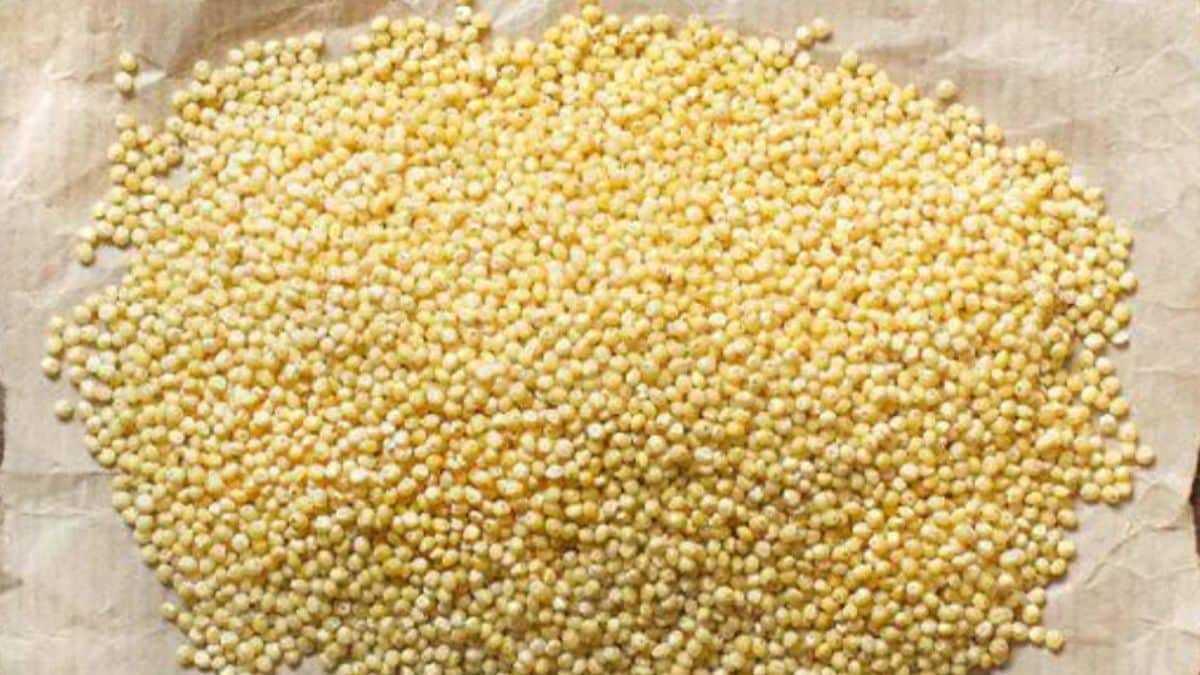
Cultivated for thousands of years throughout Africa and Southeast Asia, millet is one of the oldest grains in the world. It is currently one of the most significant cereals available and a staple crop for both people and animals. Because the small round grains are resistant to insects and easy to store for years at a time, they are extremely important.
Five health benefits of millets:
1. Regulates blood sugar: Due to their low glycemic index (GI), millets can prevent blood sugar spikes after meals. Millets are a good whole grain, especially if you have type 2 diabetes, because they contain non-starchy polysaccharides, fibre, and undigestible carbohydrates that help control blood sugar.
2. Enhances digestive well-being: Both soluble and insoluble dietary fibre are abundant in millets. Being a prebiotic, the insoluble fibre helps the beneficial bacteria in your digestive system. Additionally, the fibre gives your poop more volume, which promotes regularity and lowers your risk of colon cancer.
3. Shields the heart: Soluble fibre, found in millets, traps fat in the digestive tract and lowers blood cholesterol. That may lessen your risk of developing heart disease, or atherosclerosis. Magnesium is also abundant in millets and may help prevent heart failure.
4. Encourages antiaging: Your body’s sugar metabolism plays a big role in how old you get. Rich in phytates, phenols, and tannins, millet helps shield your cells from oxidative stress and chronic conditions like high blood pressure, diabetes, and high cholesterol.
5. Creates wholesome cells: B vitamins, which are essential for normal cell division and brain function, are abundant in finger millet. Folate, or vitamin B9, is necessary for the production of healthy red blood cells.