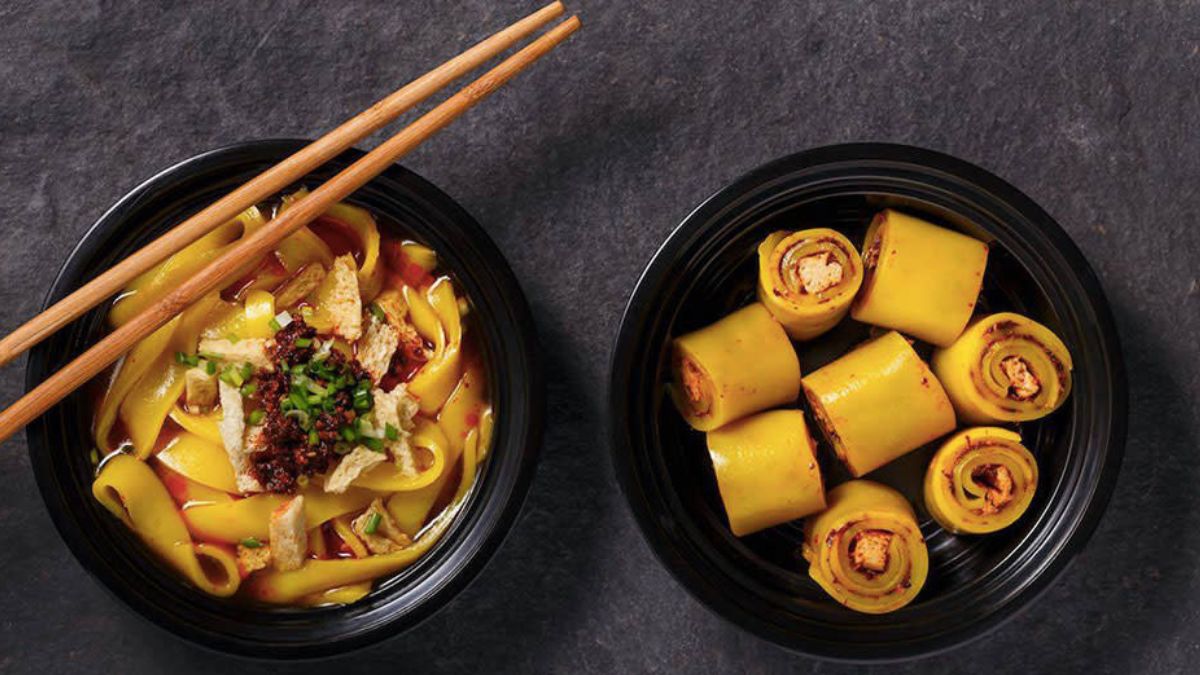
Laphing isn’t just a dish — it’s an experience. Originating from Tibet and wildly popular in Nepal and North-East India, especially among Darjeeling and Sikkim street food lovers, laphing is a cold, spicy, jelly-like roll made from mung bean starch. Known for its slippery texture and explosive flavors of garlic, chili oil, soy, and Sichuan pepper, it’s a snack that’s equal parts comfort and thrill. Though it may seem complex at first glance, making laphing at home is absolutely doable — no fancy tools or rare ingredients required.
This guide breaks down the traditional process into 7 simple, precise, and authentic steps — from preparing the mung bean jelly to assembling the fiery stuffing. Whether you’re craving a nostalgic bite from the hills or trying this viral food trend for the first time, follow along to master this irresistible Tibetan street delicacy in your own kitchen.
1. Soak and Grind Mung Beans for the Authentic Laphing Base
The first and most crucial step in making laphing is preparing the base from mung beans. Soak 1 cup of mung beans in water for 8–10 hours or overnight. Once they are fully soaked, drain the water and grind them with 2–2.5 cups of fresh water until smooth. Strain this mixture through a fine muslin cloth or sieve to remove any unground particles. This gives you the base liquid needed to make the laphing jelly — silky, smooth, and starchy.
2. Cook the Mung Bean Liquid to Create Laphing Jelly Sheets
Pour the strained mung bean liquid into a non-stick pan and cook it on medium heat. Stir continuously using a wooden spatula to avoid lumps. As it thickens, the mixture turns into a translucent, sticky paste. This is a key moment — keep stirring until the paste becomes thick enough to coat the back of a spoon. Immediately spread a thin layer over a lightly greased steel plate or tray. Repeat until all paste is used. Let it cool and set for about 30–40 minutes at room temperature. These sheets form the base of the laphing roll.
3. Prepare Spicy Laphing Filling with Garlic and Soy Sauce
The stuffing is what gives laphing its fiery and umami-packed punch. For a classic Tibetan-style laphing filling, combine:
- 1 tbsp minced garlic
- 2 tbsp soy sauce
- 1 tbsp vinegar
- ½ tsp roasted Sichuan pepper powder
- 1 tbsp red chili oil (adjust to spice tolerance)
- Salt to taste
- Optional: finely chopped green onions and a pinch of MSG for authentic street flavor
4. Carefully Cut Laphing Jelly Sheets into Strips
Once the jelly sheets are set and firm to the touch, carefully peel them off the tray. Cut them into rectangular strips approximately 4 inches wide and 6–8 inches long. If they are too thick or sticky, you may dust a little cornflour on the surface before cutting. The size and consistency of these strips will determine how smooth and elastic your laphing rolls will be.
5. Add the Spicy Laphing Sauce and Roll Neatly
Take one jelly strip and place it on a clean flat surface. Spoon 1–2 tsp of the prepared spicy garlic sauce into the center, spreading it lengthwise. Fold the strip from one end and roll tightly like a spring roll. Ensure that the sauce doesn’t leak out. If you prefer a more flavorful burst, spoon a few drops of extra chili oil on top before serving. This is when laphing starts to come alive — chewy, spicy, and tangy.
6. Top Laphing with Optional Crunch for Texture
For a street-style twist, you can top the rolled laphing with crushed roasted peanuts or crispy soy chunks. These toppings are optional but elevate the texture. You can also drizzle extra soy-vinegar mix or chili oil over the top. Many vendors also sprinkle toasted sesame seeds or chopped coriander to finish the dish. This step turns a simple dish into a flavor-and-texture-packed Tibetan street snack.
7. Serve Chilled for the Best Laphing Experience
Laphing is traditionally enjoyed cold, especially during summer months. Refrigerate the rolled laphing for 10–15 minutes before serving. This helps the jelly firm up and allows the spices to soak in better. Serve in small bowls or on a chilled plate. You can serve laphing as a snack, appetizer, or a spicy light lunch. For best taste, consume immediately after chilling.
Making Tibetan laphing at home is easier than it seems — it just requires attention to texture, flavor balance, and correct preparation. With this detailed 7-step guide, you can replicate the street-style laphing with all its bold, garlicky, spicy glory. Don’t forget to customize the spice levels to your liking and serve cold for that authentic touch.