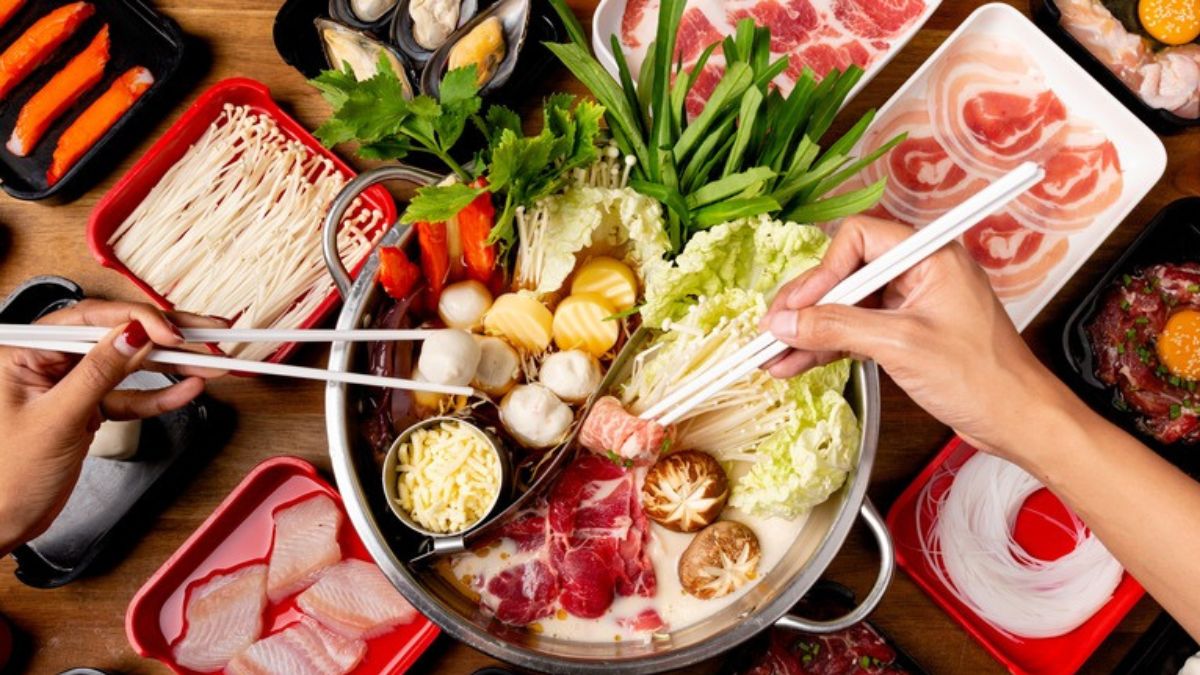
Non-veg hot pot is a flavorful, communal meal rooted in East Asian cuisine, especially popular in Chinese and Korean households. It’s essentially a simmering pot of broth kept warm at the center of the table where you cook meats, seafood, vegetables, and noodles. Below is a clear, non-generic step-by-step guide to preparing this hearty dish at home using readily available ingredients.
Step 1: Choose the Right Base for Non-Veg Hot Pot Broth
The foundation of any good hot pot lies in its broth. For a non-veg hot pot, opt for a chicken, beef bone, or seafood broth. Start by boiling bones (chicken carcass or beef marrow bones) with onions, garlic, ginger, and leeks for 2–3 hours. You can also use store-bought broth but enhance it by adding soy sauce, Shaoxing wine, star anise, and Sichuan peppercorns for complexity. Divide the broth if you want a spicy and non-spicy section using a Yin-Yang hot pot divider.
Step 2: Prepare and Marinate Non-Veg Ingredients for Hot Pot
For the protein, use a mix of thinly sliced chicken, beef, lamb, pork, shrimp, and fish fillets. The thinner the slices, the quicker they cook in the broth. Marinate the meats (except seafood) with a mix of light soy sauce, sesame oil, garlic paste, and cornstarch for about 30 minutes. Keep the meats refrigerated until you’re ready to serve. This not only enhances flavor but also prevents them from sticking together in the pot.
Step 3: Select and Prep Vegetables for a Balanced Non-Veg Hot Pot
While meat is the star, vegetables balance the richness. Use bok choy, napa cabbage, mushrooms (shiitake, enoki), spinach, lotus root, and corn. Cut them into manageable pieces for easy cooking. Mushrooms, especially, absorb the broth and release umami into the pot. Soak wood ear mushrooms beforehand if using. Lay out the vegetables on a separate platter, making sure each item is washed and dried.
Step 4: Include Essential Hot Pot Sides: Tofu, Noodles, and Dumplings
Sides bulk up your hot pot and offer texture variety. Use firm tofu, fish tofu, quail eggs, and wontons. For starch, go with glass noodles, udon, or instant ramen. Blanch fresh noodles first to prevent clouding the broth. For dumplings, choose meat-stuffed ones (like pork or chicken) for a fully non-veg experience. These items can be pre-cooked or frozen, making prep more convenient.
Step 5: Create Flavorful Dipping Sauces for Non-Veg Hot Pot
A dipping sauce adds personalization to each bite. A basic combo includes soy sauce, chili oil, chopped garlic, spring onions, sesame paste, and black vinegar. Offer several components so guests can mix their own sauces. Include minced chilies, hoisin sauce, peanut sauce, and raw egg yolk (optional) for a richer touch. Each guest can create a mix that suits their spice level and taste preference.
Step 6: Use the Right Hot Pot Equipment for Cooking at the Table
You’ll need a tabletop burner and a stainless steel or divided hot pot. Use an electric induction burner for ease and safety. Set the pot on a heatproof mat at the center of the table. Keep the broth simmering (not boiling) to avoid overcooking ingredients. Use hot pot tongs, slotted ladles, and wire scoops for picking food from the broth. Have multiple chopsticks: one set for raw ingredients and one for eating.
Step 7: Follow a Smart Cooking Order for Non-Veg Hot Pot Ingredients
Start cooking items that take longer first—meatballs, dumplings, and firm tofu—since they need more time to absorb flavor. Next, add leafy greens, mushrooms, and noodles. Seafood should be added last to prevent overcooking and turning rubbery. Cook thinly sliced meats quickly by swishing them in the broth for 30–60 seconds. Allow everyone to add and retrieve items at their own pace, maintaining a shared, interactive experience.
Making a non-veg hot pot at home is a deliciously social experience that becomes easier with proper prep and a step-by-step method. From building a rich broth to choosing fresh meats and sides, every element adds to the overall flavor and enjoyment. Use this guide to create a restaurant-style hot pot right in your kitchen—perfect for weekend dinners or gatherings with friends.