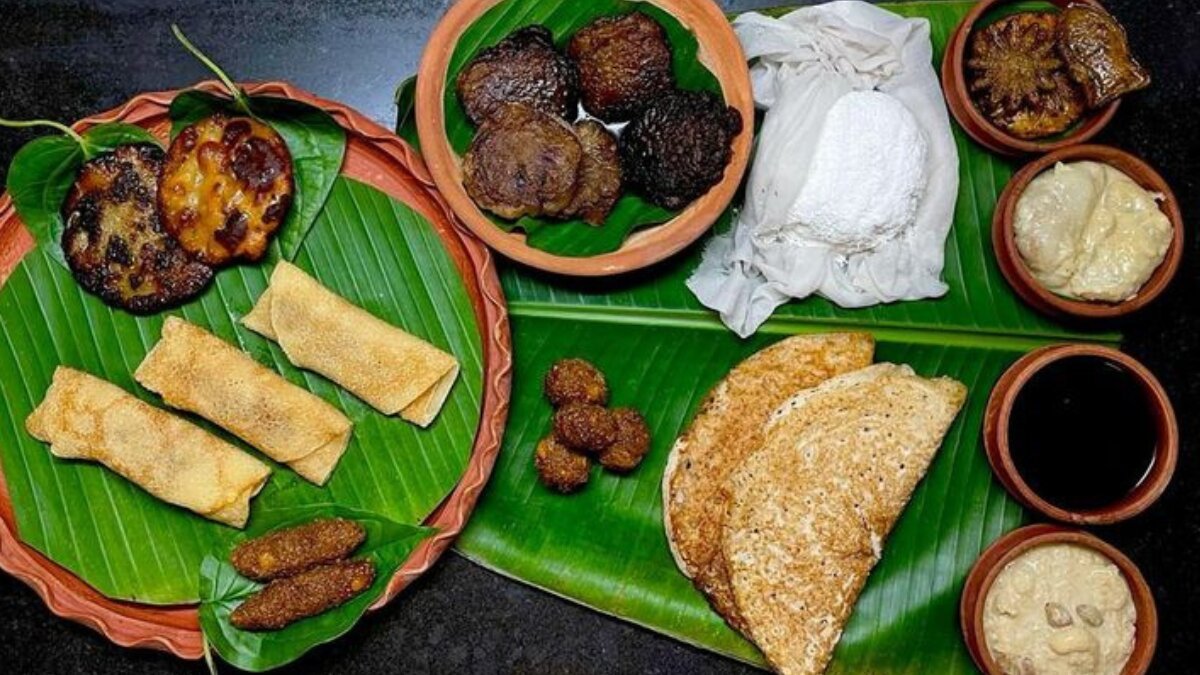
As the winter chill sets in, Bengal’s kitchens come alive with the irresistible aroma of traditional pithe, a sweet and savory assortment of rice flour delights crafted with seasonal ingredients. This time-honored treat, deeply rooted in Bengali heritage, brings families together in celebration of winter’s bounty. From rich, coconut-filled dumplings to delicate crepes, each type of pithe tells its own story, blending flavors that capture the essence of the season.Here’s a closer look at some of Bengal’s beloved varieties of pithe:
1.Patishapta:
This quintessential winter treat features thin, delicate crepes made from rice flour and semolina, filled with a sweet mixture of coconut and date palm jaggery. A drizzle of condensed milk elevates this simple dessert into a rich indulgence.
2.Bhapa Pithe:
A steamed favorite, bhapa pithe is made with rice flour and coconut, sweetened with smoky, caramel-like jaggery. Topped with a hint of ghee, this cake is a warm, soft bite of winter bliss.
3.Dudh Puli:
Resembling small, crescent-shaped dumplings, dudh puli is filled with a mixture of coconut and jaggery. These dumplings are then simmered in thickened milk, resulting in a creamy, comforting dessert ideal for chilly nights.
4.Gokul Pithe:
Crispy on the outside and sweet on the inside, gokul pithe is made by frying rice flour dumplings stuffed with coconut and jaggery. These golden treats are then soaked in sugar syrup for a glossy finish.
5. Chitoi Pithe:
Versatile and beloved, chitoi pithe is a soft rice pancake often served with jaggery syrup or kheer. It can be enjoyed as a savory or sweet snack, depending on the toppings, making it a winter staple in Bengali households.
6.Pati Shapta with Kheer:
A richer twist on patishapta, this version is filled with thickened milk (kheer) instead of coconut, creating a creamier filling that is often garnished with nuts or raisins.
7.Mug Pithe:
Made from mung bean (moong dal) paste mixed with rice flour, mug pithe is fried to golden perfection and served with jaggery syrup for a delightful balance of texture and sweetness.
The star ingredient in most of these recipes is date palm jaggery (khejur gur), harvested fresh in winter, adding a distinct caramel-like sweetness that makes each bite unforgettable. While the demands of modern life have made pithe-making less frequent, a revival of interest in traditional cuisine has kept the tradition alive. Bengali households and even contemporary cafes are embracing pithe, with some putting creative spins on these age-old recipes to appeal to newer generations.This winter, pithe continues to be more than just a dessert,it’s a treasured ritual, a symbol of Bengali heritage, and a celebration of seasonal flavors that bring warmth to hearts and homes alike.