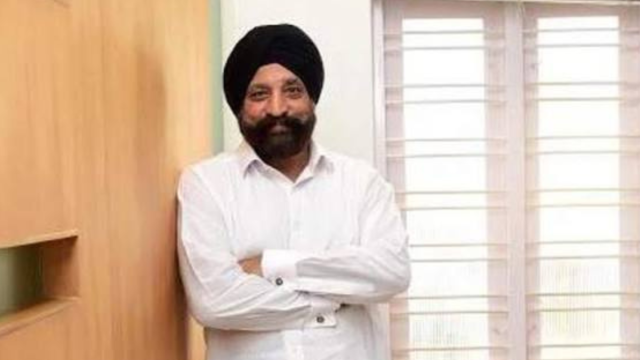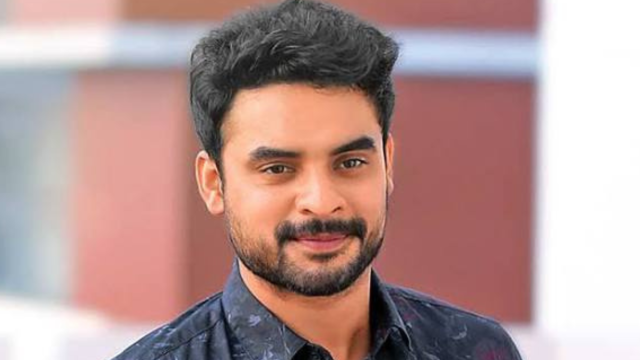
Filmmaker Akbar Khan in an exclusive interview with India Shorts
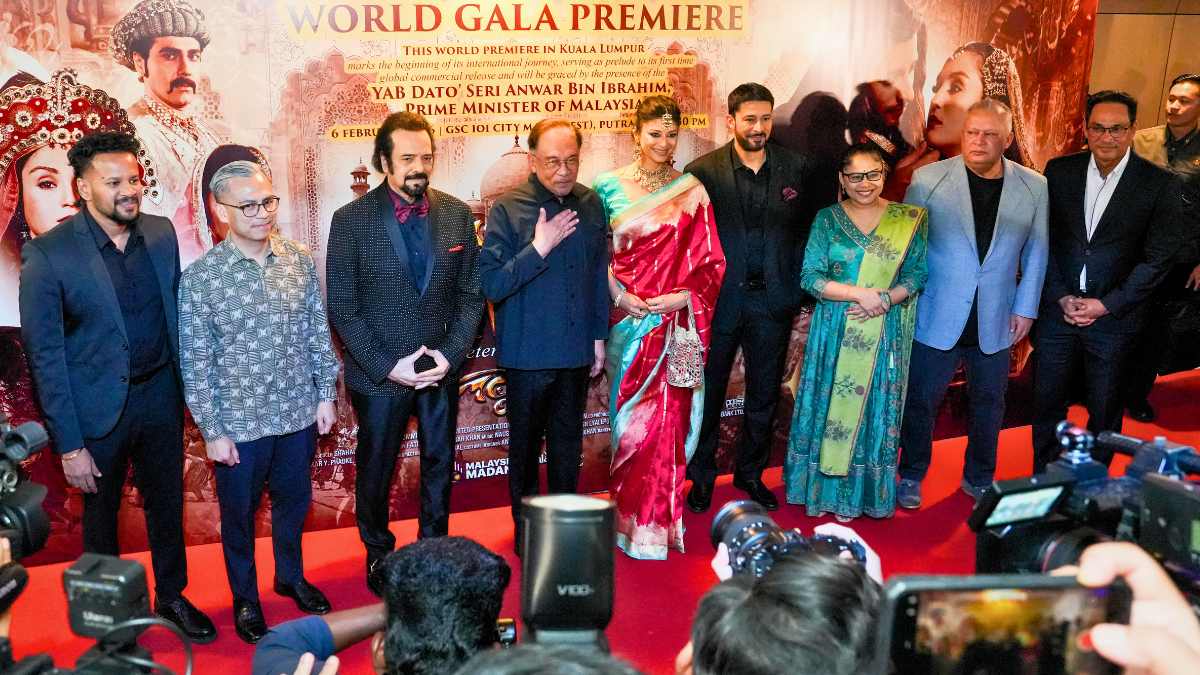
Akbar Khan’s ‘Taj Mahal: An Eternal Love Story’ began its global journey with a high-profile premiere in Malaysia on February 6, 2026. Graced by Malaysian Prime Minister Anwar Ibrahim and attended by the film’s cast, the event marked the film’s first overseas release. In this exclusive interview to India Shorts, Akbar Khan speaks about the emotional significance of the premiere, the film’s message of love and peace, and his vision for its worldwide rollout.
Your film had its first overseas premiere in Malaysia last week. How would you describe that moment?
It was not just a release of a film, it was a renaissance of a golden period of Indian history when love got etched in marble to celebrate love till eternity. For me to capture this love story of Emperor Shah Jahan and Mumtaz Mahal frame by frame, the way the Taj Mahal was built marble slab by slab, decorated with floral motifs, was a moment of quiet pride and reflection. When you create a film on a subject like the Taj Mahal, you are dealing with history, emotion and identity all at once.
Watching it premiere in Malaysia before an international audience made me feel that the story had found wings. The Taj Mahal may be rooted in India but reborn from the soil of Malaysia, from where it starts its international journey, but the emotions it represents belong to the world.
The reception in Malaysia gave me the greatest high and I was overwhelmed with the film’s appreciation by the people of Kuala Lumpur, which reassured me that the film’s soul is reaching people like the soul of the monument of the Taj Mahal attracts people from all over the world. And the ones who have not seen the Taj Mahal will love to visit the Taj Mahal after having seen my film and enjoy it even more as they would know the true love story of Shah Jahan and Mumtaz Mahal.
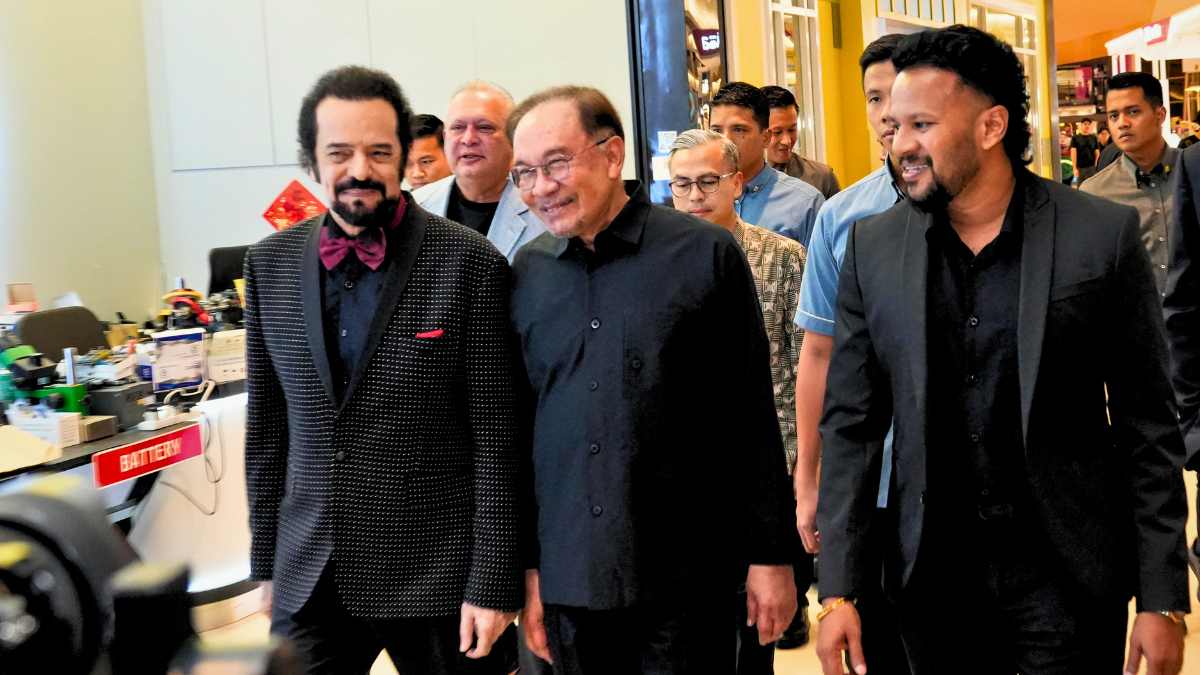
The presence of the Malaysian Prime Minister at the screening drew attention. What did his support mean to you?
I felt very humbled and privileged as he is not just a Prime Minister, he is a tall statesman, a scholar, a philosopher, a man of great wisdom. It seems he has imbibed Aristotle, Socrates, Confucius, Shakespeare and our Indian poet Allama Iqbal. His thinking reflects the thinking of Mahatma Gandhi, Martin Luther King and Pandit Nehru. He is a strong voice in the political corridors who speaks courageously with conviction and compassion for the suffering of the people of Gaza and Palestine. He is a man who loves culture, art and cinema.
A Prime Minister’s schedule is always demanding, so for him to attend and watch the film fully, especially after having already seen it earlier, showed sincerity. I saw it as respect not just for my film, but for cinema as a cultural force. It also reflected openness to stories from another country. Such gestures build goodwill between people in ways that formal dialogues sometimes cannot.
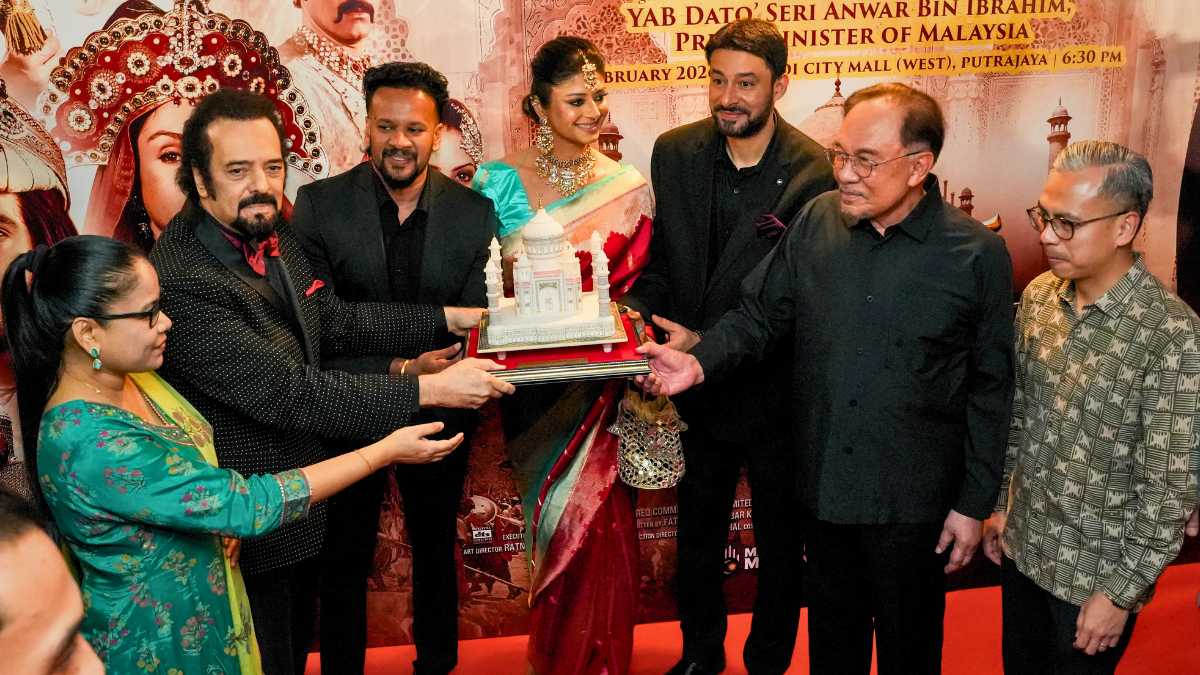
You presented him with a handcrafted marble Taj Mahal replica from Agra. Tell us about that gesture.
The Taj Mahal is a wonder of the world, a symbol of Indian artistry as much as it is a symbol of love. The replica was made by artisans in Agra who have inherited their skills through generations. By presenting it, I was sharing a piece of living Indian heritage. It was a cultural greeting from India to Malaysia. I believe deeply felt cultural gestures can carry deep meaning and leave lasting impressions.
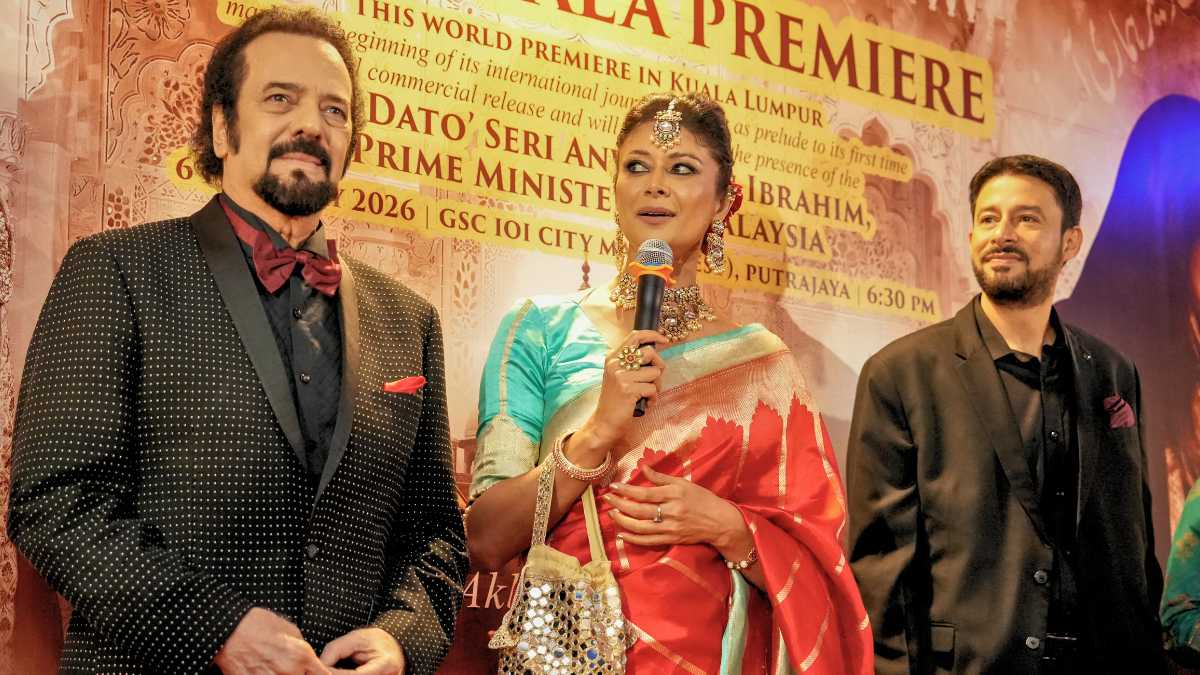
Pooja Batra and Zulfi Syed were with you at the premiere. How did their presence add to the occasion?
Their presence made the premiere evening even more complete as they are the stars of the film. The crowds went crazy meeting Zulfi and Pooja. Pooja is very popular in Malaysia as she had worked in a Tamil film which was a hit there. Her performance as Noor Jahan with elegance and strength got the crowds praising her.
Zulfi brings youthful and dynamic energy to the role of Shah Jahan and he stole the hearts of many ladies who were swarming around him praising his performance. Seeing them interact with international guests reminded me that actors are ambassadors of the stories they tell. They helped bring the world of the film alive beyond the screen.
This film has now entered a global phase. What does that shift feel like for you as a filmmaker?
It has energised me and put me on the seventh cloud. You have to believe in yourself before the world believes in you. That was the courage and conviction with which I made this film. A film begins as a personal vision, but once it reaches audiences across countries, it becomes a shared experience. This phase has triggered, charged and inspired me to get on with my next ambitious historical film with Genghis Khan, ‘The Dream of a Golden Age’, with its script ready. It would have an international cast, be made in English, and I am opting for A R Rahman to score the music for this film.
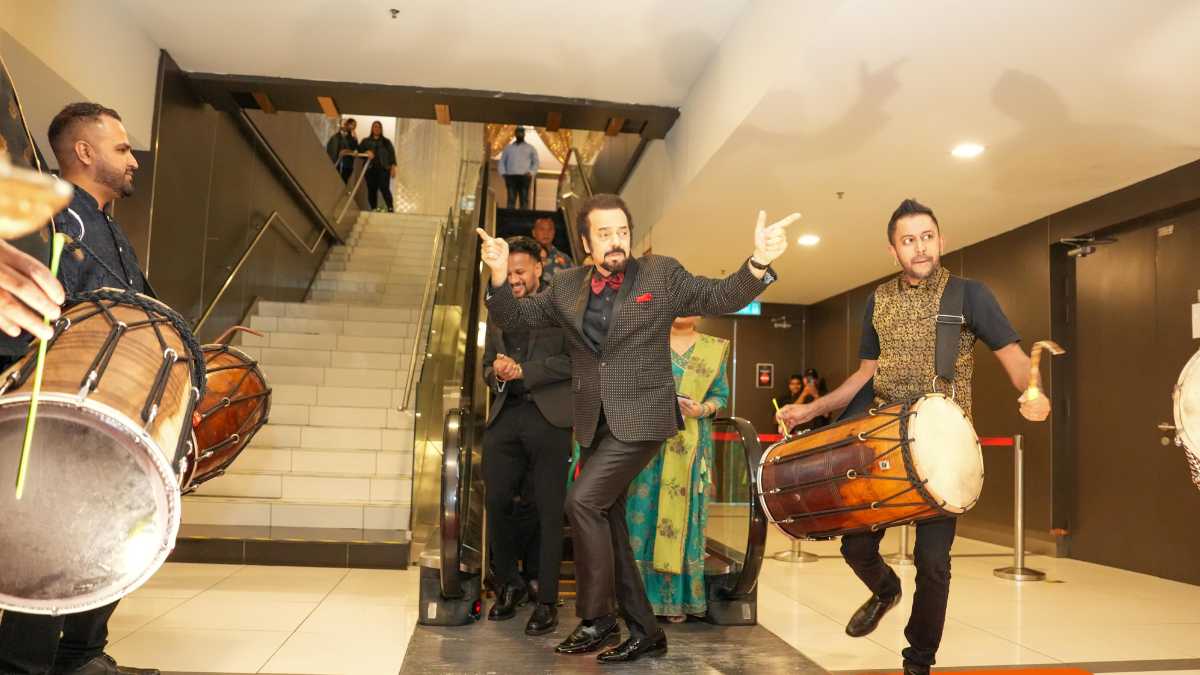
The timing of the premiere came just before Prime Minister Narendra Modi’s Malaysia visit. Did that add any layer of meaning for you?
It was destined that I go to Malaysia as a filmmaker, or in a way as a cultural ambassador to promote love, art and culture through my film, carrying a miniature of the Taj Mahal to present it to the Prime Minister of Malaysia. Our honourable Prime Minister flew out to Malaysia a day later for a bilateral meeting, which as I read has further strengthened friendship between India and Malaysia. Many Memorandums of Understanding were signed between the two countries for mutual benefit, economic growth, security and exchange of technology, to contribute to peace in the world and film co-production between the two countries.
Maybe my trip gave the Midas touch. But the timing naturally drew attention. When cultural and diplomatic moments happen around the same time, people notice connections. To me, it simply showed that culture and conscience quietly draw two nations closer. Cinema can be a soft bridge between societies.
What do you hope a young viewer outside India takes away from ‘Taj Mahal: An Eternal Love Story’?
I was amazed that there were so many youths completely overwhelmed with the film. They were personally interacting with me after the premiere. Each one of them loved the film. An 18-year-old youth said he cried in the movie and said, “Now I know what true love means. I have to visit India to see the Taj Mahal.” That is the effect it is having on youth. It is filled with human emotions. The Taj Mahal was born from love and if a young viewer feels moved to learn more about that story or about Indian culture, the film has done its job.
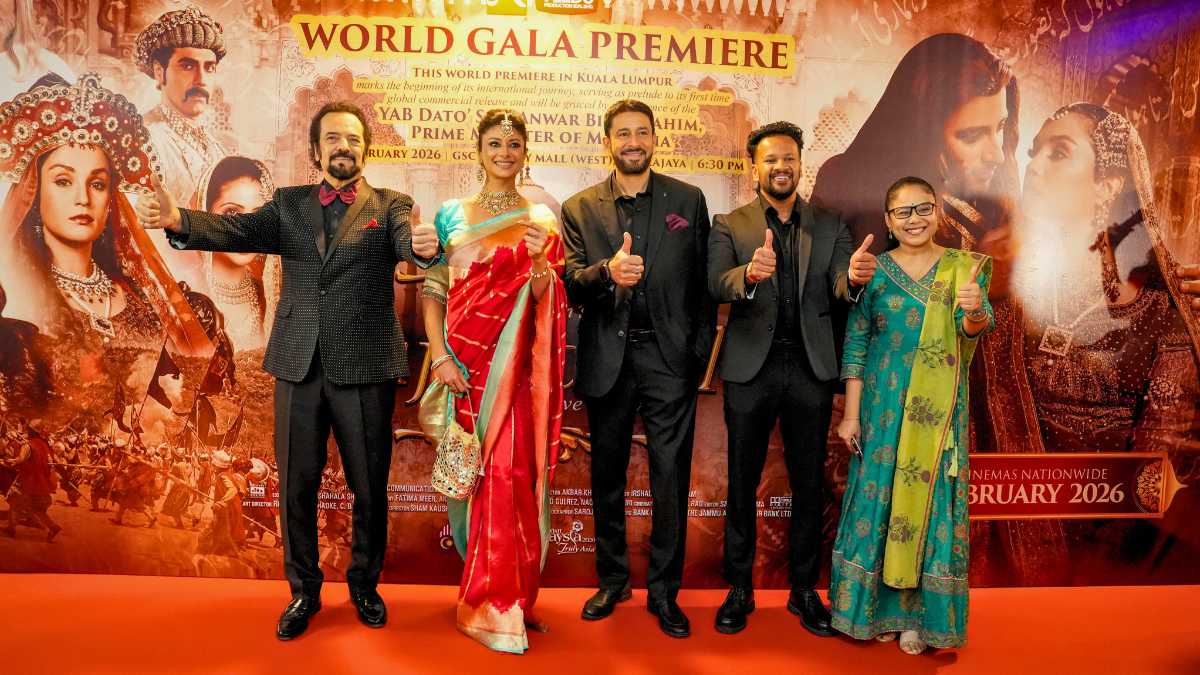
Finally, what lies ahead for the film?
A global rollout. It is being planned for a private screening of the film for President Putin, followed by its commercial release dubbed in the Russian language, followed by a private screening for the President of Kazakhstan, followed by releasing in all the Central Asian countries, later after Ramadan in Saudi Arabia, Oman and the rest of the Middle East, Europe and the US. We are looking at multiple territories and language versions. My intention is simple. Let the film travel, let it be seen, and let audiences decide what it means to them. Stories of love and beauty do not age. They find new hearts in every generation.