Cholesterol-lowering foods that promote heart health
Managing high cholesterol through diet is one of the most effective and natural ways to improve your heart health. High levels of LDL (low-density lipoprotein), often called “bad cholesterol,” increase the risk of heart disease and stroke. On the other hand, HDL (high-density lipoprotein) is considered “good cholesterol” and helps remove LDL from the bloodstream. Incorporating the right foods into your daily meals can help maintain a healthy balance.
Here are the specific foods you should add to your diet to reduce high cholesterol levels:
1. Soluble fiber-rich foods to reduce LDL cholesterol
Soluble fiber binds cholesterol in the digestive system and helps remove it from the body before it enters the bloodstream.
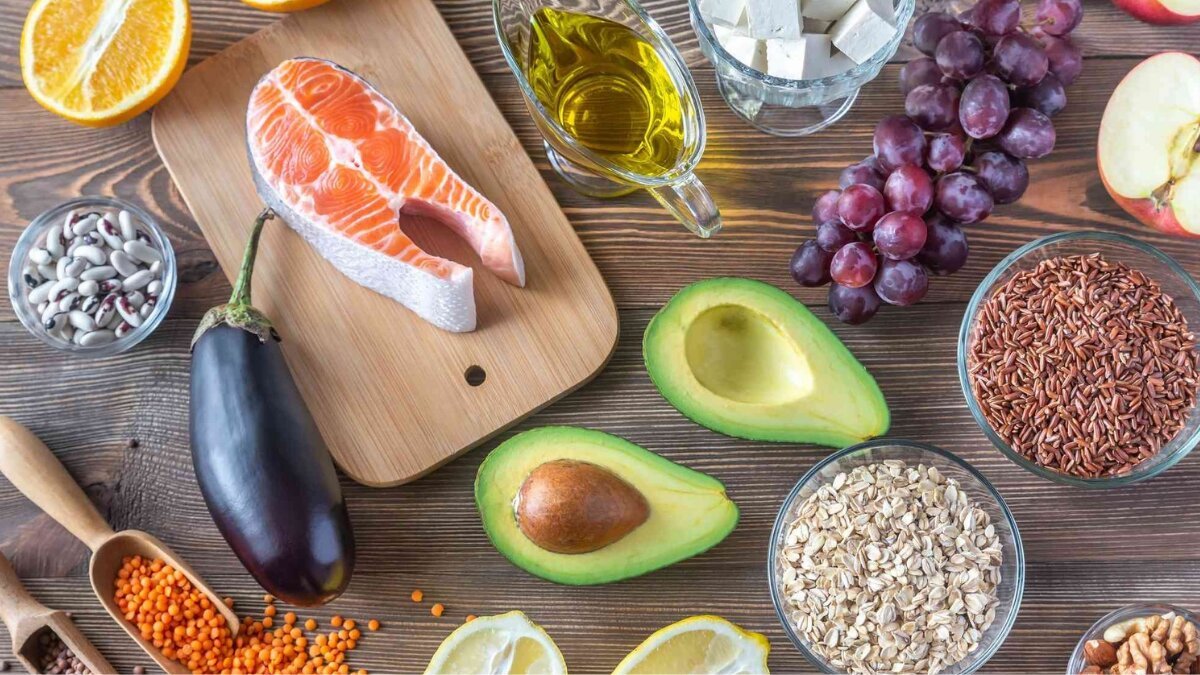
- Oats: One of the best sources of beta-glucan, a type of soluble fiber known to lower LDL. Start your day with a bowl of oatmeal.
- Barley: Another grain high in beta-glucan, perfect for soups and salads.
- Beans: Lentils, black beans, and chickpeas are rich in fiber and protein.
- Apples, pears, and prunes: These fruits contain pectin, a type of soluble fiber that supports heart health.
2. Healthy fats that boost HDL cholesterol levels
Replacing saturated and trans fats with unsaturated fats can help increase HDL cholesterol.
- Avocados: Loaded with monounsaturated fats and fiber, they help reduce LDL and increase HDL.
- Nuts: Almonds, walnuts, and pistachios are good sources of healthy fats and plant sterols.
- Fatty fish: Salmon, mackerel, and sardines are rich in omega-3 fatty acids, which reduce triglycerides and inflammation. Aim for at least two servings a week.
- Olive oil: A staple of the Mediterranean diet, it’s high in monounsaturated fats and antioxidants.
3. Plant sterols and stanols that block cholesterol absorption
Sterols and stanols are plant compounds that mimic cholesterol in the digestive tract, limiting cholesterol absorption.
- Fortified foods: Look for orange juice, yogurt drinks, or margarine fortified with sterols.
- Seeds: Sunflower and pumpkin seeds contain natural plant sterols along with fiber and healthy fats.
- Whole grains: Besides oats and barley, quinoa and brown rice are good sources of plant sterols.
4. Antioxidant-rich vegetables to support vascular health
Colorful vegetables help lower cholesterol and prevent oxidation of LDL, which contributes to arterial plaque.
- Leafy greens: Spinach and kale are rich in lutein and other antioxidants.
- Tomatoes: Contain lycopene, which lowers LDL levels.
- Eggplant and okra: These are high in soluble fiber and have been shown to lower cholesterol in some studies.
- Garlic: Contains allicin, which may lower cholesterol and blood pressure.
Foods to strictly limit or avoid with high cholesterol
While certain foods can lower cholesterol, others can raise it drastically. Being mindful of what to avoid is equally important in your cholesterol-lowering journey.
1. Saturated fat sources that increase LDL cholesterol
Saturated fats trigger the liver to produce more cholesterol.
- Fatty cuts of red meat: Choose lean meats or plant-based alternatives.
- Full-fat dairy: Limit consumption of butter, cheese, and cream. Use low-fat or plant-based versions.
- Coconut oil and palm oil: Though plant-based, they are high in saturated fat and best used sparingly.
- Processed meats: Bacon, sausage, and hot dogs are not only high in saturated fat but also contain sodium and preservatives.
2. Trans fats that raise LDL and lower HDL cholesterol
Trans fats are especially harmful and should be completely avoided.
- Baked goods: Donuts, cakes, and cookies often contain hydrogenated oils.
- Margarine: Stick or hard margarines are worse than soft or liquid ones.
- Packaged snacks: Many crackers and chips may contain hidden trans fats. Always check labels for “partially hydrogenated oils.”
3. High-sugar foods that increase triglycerides
Though not directly linked to cholesterol, excessive sugar can raise triglycerides and lower HDL.
- Sugary beverages: Soda, sweetened coffee drinks, and energy drinks add empty calories and spike blood sugar.
- Desserts: Ice cream, pastries, and candy contribute to weight gain and poor lipid profiles.
- Breakfast cereals: Many are loaded with sugar despite being marketed as “healthy.” Choose whole-grain, low-sugar options.
4. Excess alcohol that affects liver function and cholesterol production
Moderation is key when it comes to alcohol, as it can increase triglycerides and liver-produced cholesterol.
- Limit intake: No more than one drink per day for women and two for men is recommended.
- Avoid sugary cocktails: These not only contain alcohol but are also packed with added sugars.
A balanced diet focused on whole grains, fruits, vegetables, healthy fats, and lean protein can help manage cholesterol levels effectively. Small but consistent changes in your food choices, such as adding a serving of oats or replacing red meat with fish, can lead to long-term improvements. Pair this diet with regular physical activity and routine checkups for the best results in controlling cholesterol.