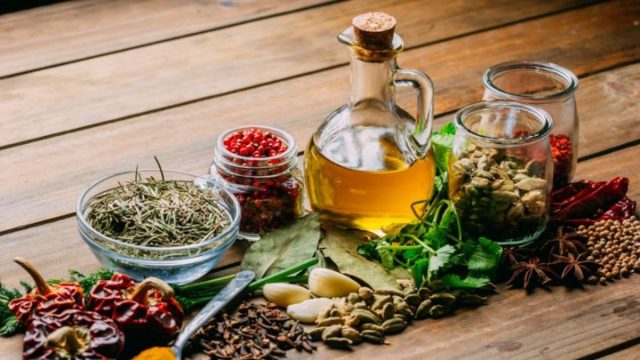

Understanding Menstrual Cramps
Menstrual cramps, also known as dysmenorrhea, can range from mild discomfort to severe pain that disrupts daily life. They occur due to contractions in the uterus, which help shed the uterine lining. While over-the-counter painkillers are commonly used, natural remedies can be equally effective in alleviating pain without side effects.
1. Apply Heat Therapy
Applying a heating pad or warm compress to the lower abdomen helps relax uterine muscles and improve blood circulation, reducing pain. A warm bath can also provide similar relief by easing tension in the pelvic area.
2. Stay Hydrated
Drinking plenty of water prevents bloating, which can intensify cramps. Warm or herbal teas, such as ginger and chamomile, offer added benefits due to their anti-inflammatory and muscle-relaxing properties.
3. Massage with Essential Oils
A gentle abdominal massage using essential oils like lavender, clary sage, or peppermint can significantly ease period pain. These oils have anti-inflammatory and antispasmodic properties that help relax muscles and improve circulation.
4. Engage in Light Exercise
Low-impact exercises like yoga, stretching and walking release endorphins, which act as natural pain relievers. Specific yoga poses such as the child’s pose and reclining twist help reduce cramping by relaxing the pelvic muscles.
5. Incorporate Magnesium-Rich Foods
Magnesium helps regulate muscle function and reduces cramping. Foods rich in magnesium, such as bananas, spinach, dark chocolate and almonds, can ease discomfort when included in a regular diet.
6. Sip Herbal Teas
Certain herbal teas have been used for centuries to relieve menstrual discomfort. Ginger tea reduces inflammation, chamomile tea has muscle-relaxing properties and peppermint tea helps soothe digestive distress that often accompanies periods.
7. Reduce Caffeine and Salt Intake
Caffeine can constrict blood vessels and worsen cramping, while excess salt leads to bloating. Opting for herbal teas, fresh juices and nutrient-dense meals can help minimize discomfort during menstruation.
8. Try Acupressure or Reflexology
Acupressure techniques that focus on pressure points near the lower abdomen and feet can help reduce menstrual pain. Reflexology, a therapy targeting specific points on the feet, has also shown promise in alleviating period-related discomfort.
Final Thoughts
While menstrual cramps are common, they don’t have to be debilitating. By incorporating these natural remedies into your routine, you can manage period pain effectively and improve your overall well-being. However, if pain persists or worsens, consulting a healthcare provider is recommended to rule out underlying conditions like endometriosis or fibroids.