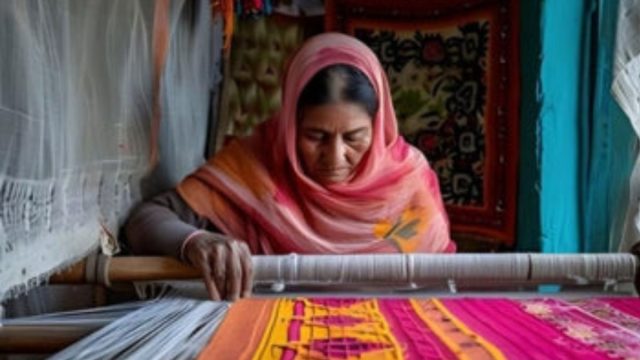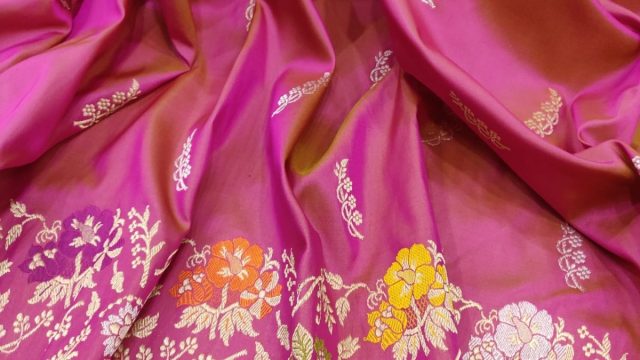

In a world where fashion trends change at lightning speed, India’s timeless vintage sarees are making a graceful comeback. These sarees, each woven with cultural stories and deep-rooted heritage, are captivating the hearts of fashion enthusiasts, cultural conservationists, and environmentalists alike. From the grandeur of Banarasi silk to the intricate artistry of Jamdani, vintage sarees are emerging as a perfect blend of elegance, artistry, and sustainability. Here’s a look at some iconic varieties and the traditions they carry.
Banarasi Silk Saree – Varanasi, Uttar Pradesh:
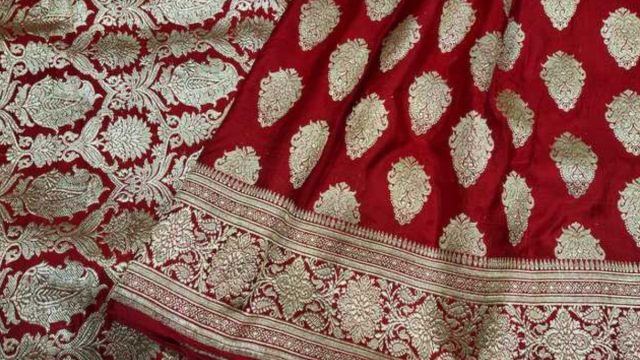
Banarasi sarees, dating back to the Mughal era, are celebrated for their luxurious silk and elaborate brocade work. With floral motifs inspired by Mughal art and delicate gold and silver zari threads, these sarees reflect a painstaking handwoven process that can take months to complete. The “jangla,” “butidar,” and “jamdani” styles showcase the artistry of Banarasi weaving, making each saree a work of wearable art.
Kanjivaram Saree – Kanchipuram, Tamil Nadu:
From the temple town of Kanchipuram, these sarees have been crafted by skilled artisans for over 400 years. Known for vibrant colors and contrasting borders, Kanjivaram sarees use pure mulberry silk and gold-dipped silver threads. With motifs like peacocks, temples, and flowers, these sarees symbolize tradition, luxury, and durability, adding an unparalleled grace to any celebration.
Chanderi Saree – Chanderi, Madhya Pradesh
With a history that spans centuries, Chanderi sarees are prized for their lightweight, sheer texture, and royal appeal. These sarees are adorned with delicate motifs inspired by local flora and fauna, making them ideal for warmer climates. Their silk, cotton, or silk-cotton blend fabric adds a layer of sophistication, representing elegance in simplicity.
Patola Saree – Patan, Gujarat:
Patola sarees are renowned for their intricate double ikat weaving, a labor-intensive technique that results in vibrant, symmetrical patterns. With motifs like parrots, elephants, and flowers, Patola sarees symbolize prosperity and are highly sought after for their durability. This traditional weaving process can take up to a year, reflecting the dedication of Gujarat’s master artisans.
Jamdani Saree – Bengal Region:
A UNESCO-recognized Intangible Cultural Heritage, Jamdani sarees are light and airy, with delicate floral and geometric patterns. Known for their soft hues in white, off-white, or pastel tones, these sarees are woven on looms with a technique that resembles embroidery. Jamdani sarees blend elegance with cultural legacy, making each piece an heirloom treasure.
Paithani Saree – Maharashtra:
Maharashtra’s Paithani sarees have a royal legacy, woven with intricate zari work and luxurious silk. Their hallmark is the “kaleidoscope” effect, created by weaving two silk colors together. Peacock motifs and vibrant colors make Paithani sarees an exquisite choice for celebrations, reflecting a heritage that is both elegant and resilient.
Baluchari Saree – West Bengal:
The narrative artistry of Baluchari sarees, originating in Murshidabad, tells stories from Indian mythology through their intricately designed pallus. Featuring scenes from epics like the Mahabharata and Ramayana, Baluchari sarees are handwoven with dyed threads to bring these ancient stories to life, adding a unique touch of artistry to the wearer.
Kasavu Saree – Kerala:
Simple yet elegant, Kerala’s Kasavu sarees are a staple of traditional celebrations. These sarees, known for their white or cream fabric with a golden border, symbolize purity and sophistication. Made from unbleached cotton, Kasavu sarees are lightweight and breathable, embodying Kerala’s minimalistic yet rich cultural style.
As appreciation for India’s vintage sarees grows, many people are embracing them not just for their timeless beauty but for their sustainable value. Family heirlooms and vintage marketplaces have become popular sources for these sarees, allowing wearers to cherish the legacy and support artisans. Embracing a vintage saree is more than a fashion statement; it’s a tribute to India’s rich cultural tapestry, a celebration of heritage, and a step toward sustainable fashion.