
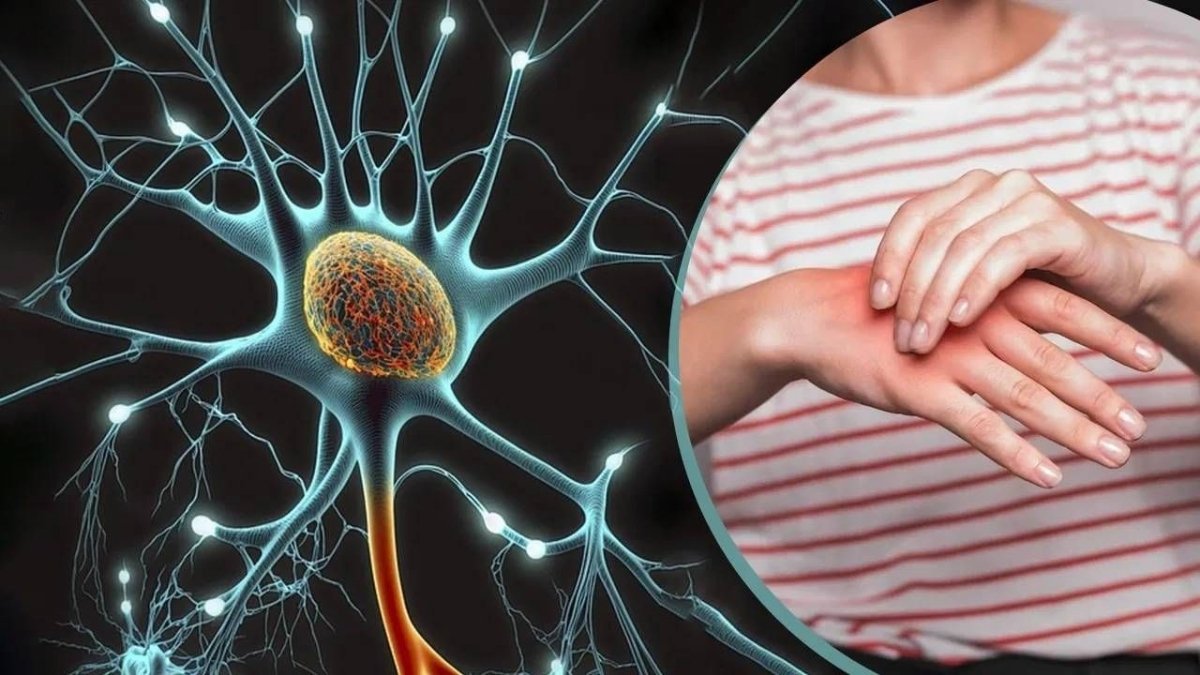
In the state of Maharashtra, the number of Guillain-Barré Syndrome cases has lately increased, surpassing 100 cases. Four patients, including an 8-year-old and a 40-year-old, were brought to medical centres in Nagpur after a resident of Solapur passed away from what is most certainly GBS.
Over the weekend, Maharashtra’s health minister, Prakash Abitkar, travelled to Pune in an effort to appease the public over the increase in cases. About 80% of patients who are affected live in the same region, he said, and “it’s likely that polluted water is the cause of the outbreak.”
He continued by saying that, “in order to solve the problem, the Pune Municipal Corporation (PMC) has been installing ventilators, replacing a drainage line and sealing 12 leaks. Seven specialists from the National Institute for Virology (NIV) in Pune, the Regional Office of Health & Family Welfare, NIMHANS Bengaluru, and the National Centre for Disease Control (NCDC) in Delhi have been dispatched to Maharashtra.”
Local officials already had three specialists from NIV, Pune, on their side. Additionally, Abitkar told ANI, “There is a growing number of patients with GB syndrome in Pune, which is concerning. Our knowledgeable medical staff will shortly provide their thoughts on patients with Guillain-Barre Syndrome (GBS). In order to prevent the number of patients from rising, the Maharashtra Health Department and the Pune Municipal Corporation are operating effectively.”
Guillain-Barré Syndrome is an autoimmune condition that develops a few weeks after a virus infection and causes paralysis of all four limbs, as well as occasionally the neck, respiratory, and swallowing muscles, according to Dr. Ashish Gosar, a neurologist at Saifee Hospital in Mumbai.
Individuals of all ages and genders are susceptible to this immune nerve illness. According to Dr. Aparna Gupta, Consultant-Neurologist at the Indian Spinal Injuries Centre in Navi Mumbai, the symptoms of this autoimmune neuropathy include weakness that begins in the lower limb around 95% of the time and can start in the upper limb in 5% of cases.
Although there is no way to avoid GBS, the following steps can help lower the chance of infection, according to Dr. Lomesh Bhirud, a neurologist and neuro-interventionalist, Ruby Hall Clinic, Pune. There is no known cure for Guillain-Barré syndrome, but there are treatments that can reduce symptoms and speed up recovery.
According to Dr. Bhushan Joshi, Consultant – Neurology, Manipal Hospital, Kharadi, Pune, “Immediate intervention is required to reduce problems and improve recovery prospects. Intravenous immunoglobulin (IVIG) therapy and plasmapheresis (plasma exchange) are most often used to treat the symptoms.” There is no vaccine specifically for GSB, but some vaccinations, such as the flu and Zika vaccines, can lower the risk of infection that could cause the disease.
The exact cause of the syndrome is unknown, and the World Health Organisation states that GBS is neither contagious nor inherited. “If the infected person has weakness and it hasn’t been four weeks since symptom onsets, it is best to avoid travelling,” says Dr. Gosar. Fortunately, GBS is not fatal, and most individuals recover completely, although the National Institute of Neurological Disordered and Stroke, a US health organisation, advises against travel since it causes a fast onset of weakness and even paralysis.