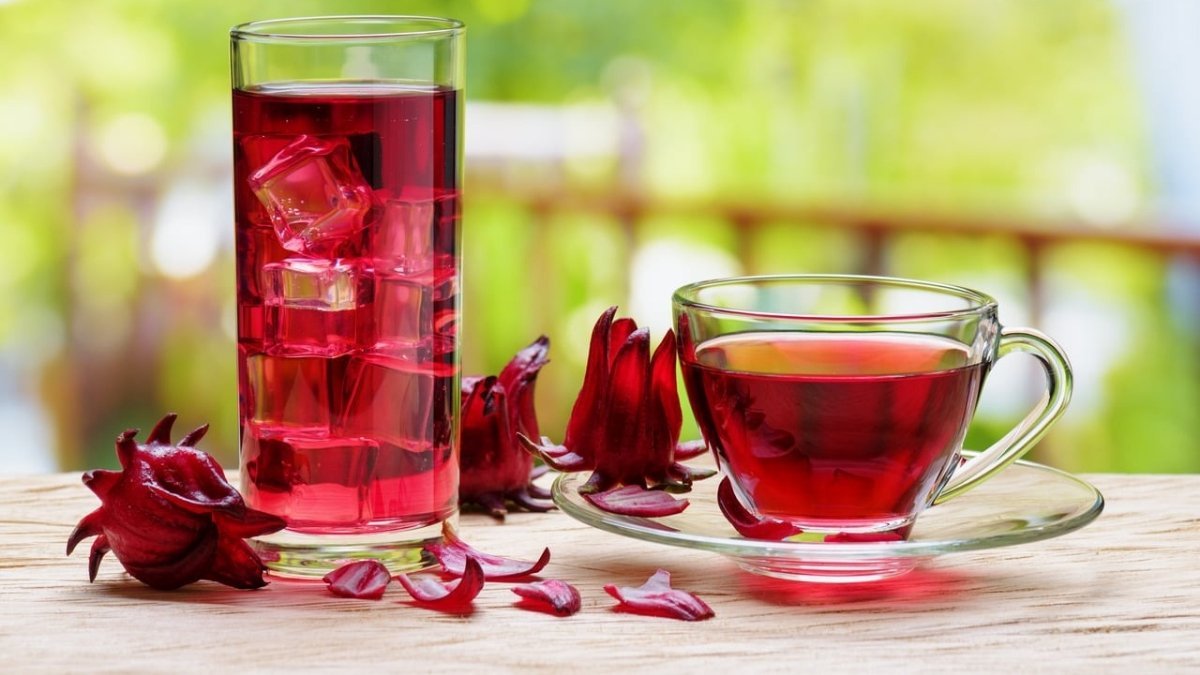
Hibiscus is a floral plant that thrives in warm areas. The blossoms are deep red in colour and have a sweet, tart flavour reminiscent of cranberries. The calyx is the portion of the plant from which hibiscus tea is made. The calyx protects and supports the hibiscus flower. Hibiscus is used in a variety of cultures around the world, both for food and healing. Hibiscus sabdariffa and Hibiscus rosasinensis are the two types of hibiscus seen most commonly in tea preparations. H. rosasinesis is more widespread and less expensive than H. sabdariffa, although there is less scientific evidence to support its benefits.
Benefits of drinking Hibiscus Tea are as follow:
1. Reducing Blood Pressure
According to a trusted source, seven prior experiments indicated that hibiscus tea dramatically lowers blood pressure. This covered both the systolic and diastolic blood pressure. The review focused on tea made with H. sabdariffa, thus it is uncertain whether the results would be the same for H. rosasinesis. More research of both types of hibiscus is required.
2. Lowering harmful cholesterol
H. rosasinesis tea can help lower elevated cholesterol levels. This is the most frequent form of hibiscus used in commercial hibiscus tea products. The scientists found that the content of hibiscus in handmade tea is theoretically sufficient to provide anti-cholesterol benefits. According to the 2020Trusted Source evaluation, hibiscus tea may help lower low-density lipoprotein (LDL), or “bad,” cholesterol. However, the tea did not seem to significantly lower total cholesterol levels.
3. Reducing Blood Sugar
In addition to decreasing LDL cholesterol, H.sabdariffa tea dramatically decreased fasting blood glucose levels. This is the quantity of sugar in the blood after a person does not eat overnight. Doctors utilise fasting blood glucose tests to evaluate whether a person has diabetes. The 2021 review also discovered evidence that H. rosasinesis has anti-diabetic properties and may help with diabetes management.
4. Weight management
Hibiscus tea combined with other plants may help people lose weight, regardless of their health status. The researchers believe it could be an effective treatment for metabolic syndrome, a collection of diseases that raise the risk of type 2 diabetes, stroke, and coronary heart disease. However, they emphasise that these are preliminary findings. This means further research is needed to determine whether hibiscus tea can help cure obesity or metabolic syndrome.
5. Hormone Balance
In traditional Mexican medicine, H. rosasinesis is used to treat premenstrual syndrome (PMS), a collection of symptoms that occur before a woman’s period. People have also utilised hibiscus to treat menopausal symptoms. There have been few investigations on these uses, but hibiscus tea contains phytoestrogens. These are substances that mimic oestrogen in the body. More research is needed to determine whether this tea might effectively reduce PMS or menopausal symptoms.
Risks of consuming Hibiscus tea are as follows:
1. Drug Interactions
Hibiscus tea may interact with a number of drugs, including acetaminophen (Tylenol) and the diuretic hydrochlorothiazide. Hibiscus includes phytoestrogens, which may interfere with hormonal drugs like the birth control pill. However, there are currently no research on this topic. People who are taking drugs or have other medical concerns should see their doctor before drinking hibiscus tea.
2. Pregnancy and Lactation
It’s unknown whether hibiscus tea is safe to drink while pregnant. While hibiscus tea has been traditionally used to treat pregnancy-related symptoms, the phytoestrogens may have an effect on a person’s hormone levels. There are currently no studies to determine whether this poses a risk to the pregnancy.
3. Liver damages
According to research in animals and people, very high doses of H. sabdariffa extract may have a detrimental effect on the liver. Previous studies on rats revealed that consuming 300 milligrammes (mg) of hibiscus extract each day for three months resulted in increased liver enzymes. However, this was an unusually large amount of hibiscus for a little animal. More research is needed to evaluate whether hibiscus tea, which is presumably weaker in concentration, can have a similar effect on humans.
4. Low blood pressure
People with a history of low blood pressure should exercise caution when using hibiscus, since it has the potential to reduce blood pressure even further.