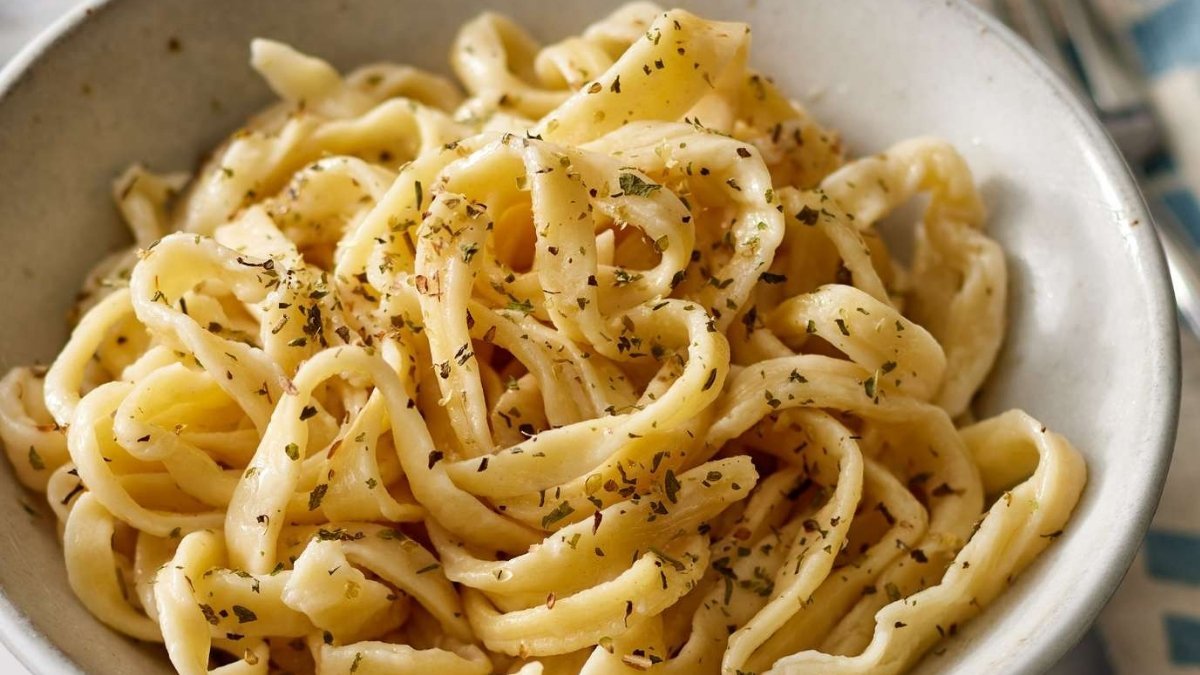
Making egg noodles at home is a rewarding and surprisingly simple process that delivers far superior taste and texture compared to store-bought options. Whether you want a hearty addition to your soups, a satisfying base for stir-fries, or a homemade touch for creamy pasta dishes, fresh egg noodles elevate any meal. Unlike dried pasta, homemade egg noodles have a rich, velvety texture and deep flavor from the egg content. With just four ingredients—flour, eggs, salt, and water—you can create a batch of noodles that cook quickly, absorb sauces beautifully, and store well for future use.
This guide walks you through every step of how to make egg noodles at home, using traditional techniques that anyone can master with basic kitchen tools.
1. Use the Right Ingredients for Authentic Homemade Egg Noodles
To make egg noodles at home, you need just four simple ingredients: all-purpose flour, eggs, salt, and water. For a traditional texture and taste, use 2 cups of all-purpose flour, 2 large eggs, ½ teaspoon of salt, and a few tablespoons of water as needed. Avoid using self-rising flour or bread flour as they change the texture of the noodles. You can also experiment with semolina flour for a slightly firmer noodle, but for a classic egg noodle, all-purpose flour works best. Crack the eggs directly into a well made in the flour, and gradually mix them in with your hands or a fork.
2. Knead the Egg Noodle Dough Thoroughly for Elasticity
Once the ingredients are combined into a rough dough, kneading becomes the critical step in developing gluten, which gives the egg noodles their signature chewy texture. Knead the dough on a clean, lightly floured surface for 8–10 minutes, pushing it forward with the heel of your palm and folding it back. The dough should gradually become smooth, elastic, and only slightly tacky to the touch. If it feels too dry, add water a teaspoon at a time; if too sticky, sprinkle a bit more flour. Cover the dough with a damp cloth or plastic wrap and let it rest for 30 minutes—this resting period relaxes the gluten and makes the dough easier to roll out.
3. Roll Out Homemade Egg Noodle Dough to the Right Thickness
After resting, divide the dough into two or three pieces to make rolling easier. Using a rolling pin (or a pasta roller, if available), flatten each piece on a floured surface until it reaches your desired thickness—typically between 1/8 inch to 1/16 inch. Thinner noodles cook faster and absorb sauces better, while thicker noodles are better for hearty soups. Ensure the dough is even in thickness throughout, and dust both sides lightly with flour to prevent sticking. If using a pasta roller, gradually reduce the thickness setting until the sheet reaches the preferred thinness for your egg noodles.
4. Cut Egg Noodles Evenly for Uniform Cooking
Once the dough is rolled out, fold it gently (dusting lightly with flour between folds) and slice it into uniform strips using a sharp knife or pizza cutter. Cut width according to your intended use: ¼-inch wide for soups, or up to ½-inch for stir-fry or casserole dishes. Unfold the noodles and separate them on a floured tray to prevent sticking. Alternatively, you can use a pasta cutter attachment for more precision. Allow the noodles to air dry for at least 30 minutes if you plan to store them, or proceed to cooking if you’re using them fresh. Even cutting ensures that the noodles cook evenly without some turning mushy or staying raw.
5. Cook or Store Homemade Egg Noodles Properly for Best Results
To cook your homemade egg noodles, bring a large pot of salted water to a boil and add the noodles in batches. Fresh noodles take just 2–4 minutes to cook depending on thickness, while dried noodles take slightly longer. Stir gently to prevent sticking. Once cooked, drain and toss with butter or your favorite sauce. For storage, let the cut noodles dry completely for 12–24 hours on a floured surface or pasta rack. Store them in an airtight container at room temperature for up to one week, or freeze for longer shelf life. Proper drying and storage prevent mold and preserve the texture of your homemade egg noodles.