
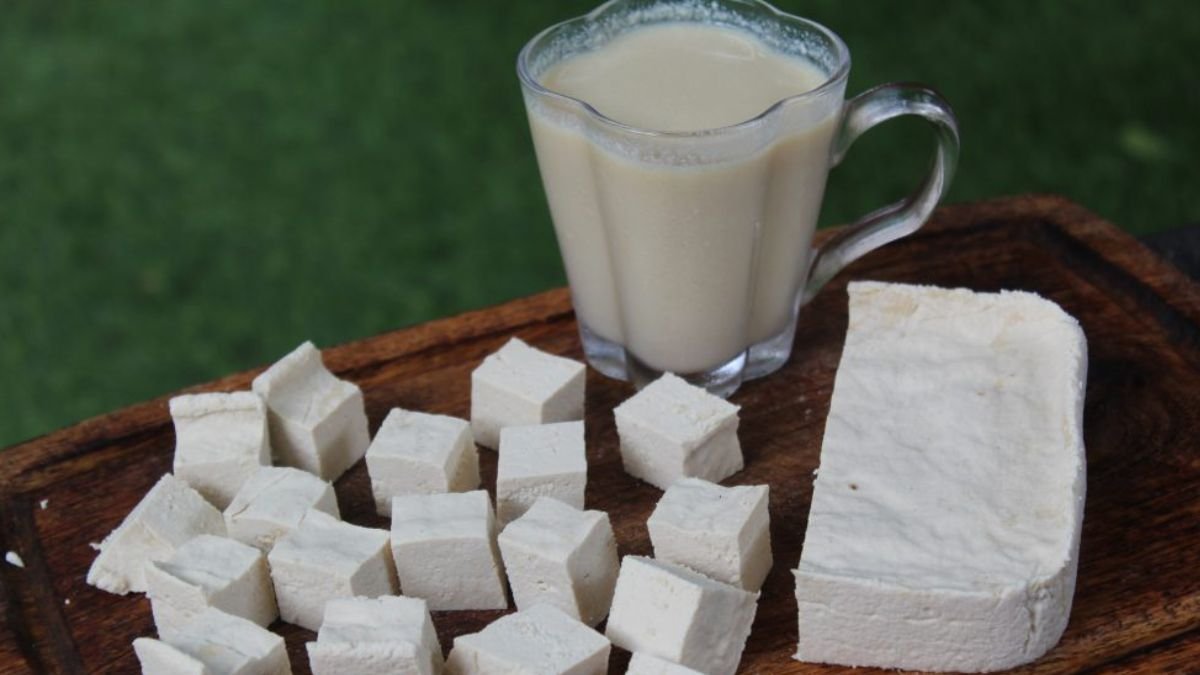
Tofu is a versatile, protein-rich food made from soybeans, cherished in Asian cuisine and increasingly popular in plant-based diets worldwide. While store-bought tofu is convenient, making tofu at home offers several advantages—it’s fresher, more customizable in texture and firmness, and free from preservatives. Plus, it’s surprisingly simple to prepare using just three ingredients: soybeans, water, and a coagulant.
Understanding how to make tofu at home empowers you to control the quality of ingredients, adjust firmness to your cooking needs (from silky smooth for soups to extra firm for stir-fries), and avoid unnecessary additives. This guide breaks down the entire tofu-making process into five detailed steps, from soaking soybeans to pressing and storing the finished product. Whether you’re a seasoned cook or a curious beginner, this step-by-step tofu recipe will help you make fresh, healthy tofu in your own kitchen.
1. Soak soybeans overnight to prepare them for homemade tofu
The first and most crucial step in making tofu at home is properly soaking the soybeans. Use high-quality, organic soybeans for best results. Measure one cup of dry soybeans and rinse them thoroughly under cold water to remove any dust or debris. Then, place them in a large bowl and add at least three times the amount of water, allowing the beans enough space to expand. Let them soak for 10 to 16 hours, depending on the ambient temperature — the beans should double or triple in size and become soft. Soaking the beans activates enzymes, improves digestibility, and makes the beans easier to grind into soy milk, which is the base for homemade tofu.
2. Blend and boil soaked soybeans to extract fresh soy milk
Once the soybeans are soaked and softened, the next step in how to make tofu at home is to extract soy milk from the beans. Drain the soaked beans and transfer them to a high-speed blender. Add three cups of water for every cup of soaked soybeans and blend until you get a smooth, creamy consistency. Next, pour the blended mixture into a nut milk bag or cheesecloth over a large pot and squeeze out as much liquid as possible. This liquid is the raw soy milk. Boil the soy milk gently for 15–20 minutes while stirring continuously to prevent scorching. This step helps eliminate the beany flavor and makes the milk safe to consume. Skim off the foam if necessary.
3. Use a coagulant like nigari or lemon juice to curdle the soy milk
Coagulation is the key step in turning soy milk into tofu. While store-bought tofu often uses magnesium chloride (nigari) or calcium sulfate, you can also use lemon juice or white vinegar as a coagulant for homemade tofu. Dissolve 1–2 teaspoons of your chosen coagulant in warm water. Once the boiled soy milk cools to around 75–80°C (165–175°F), gently stir in the coagulant in a circular motion, then stop and let it rest for 15–20 minutes. Curds will begin to form and separate from the whey. If curds don’t appear after 10 minutes, add a bit more coagulant. This curdling process defines the texture and firmness of your tofu, and it’s essential to avoid over-stirring, which can break the curds into smaller pieces.
4. Press the tofu curds using a mold for the desired firmness
To form tofu blocks, you need to press the curds using a tofu mold or any DIY alternative like a small container lined with cheesecloth. First, gently ladle the curds into the mold, layering them evenly. Fold the cheesecloth over the top and place a weight on it (such as a jar of water or a small pan) to press out excess whey. For soft tofu, press for 10–15 minutes with light weight; for firm tofu, press for 20–30 minutes with more pressure. How long and how hard you press directly affects the final texture. Homemade tofu that is well-pressed is easier to stir-fry or bake and holds its shape better in recipes.
5. Store homemade tofu properly in water to keep it fresh
After pressing, remove the tofu from the mold and submerge it in a container filled with cold water. This helps firm up the tofu further and improves the texture. Homemade tofu should be stored in the refrigerator and the water should be changed daily to maintain freshness. Properly stored, homemade tofu lasts for up to five days. If you wish to preserve it longer, tofu can be frozen, but this will alter its texture, making it spongier and more porous—ideal for absorbing sauces in dishes like stir-fries. Whether soft or firm, knowing how to store tofu after making it at home is essential to reduce waste and maintain quality.