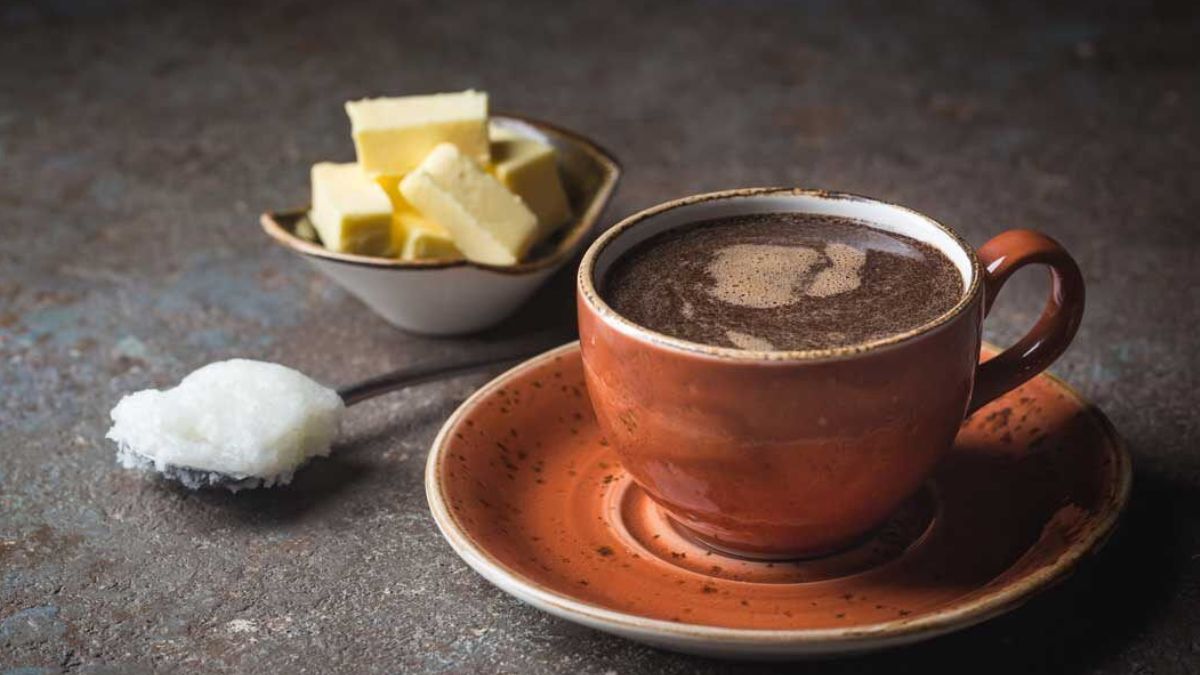
Bulletproof coffee is a breakfast alternative made from coffee, oil, and butter. The beverage’s enthusiasts claim it has various health benefits. Bulletproof coffee is a relatively new beverage, hence no scientific research has been conducted to determine if it is beneficial or unhealthy. Bulletproof coffee has not yet been evaluated by the United States Food and Drug Administration (FDA), which is in charge of establishing the safety of food, medicine, cosmetics, and other products.
Here are the 3 disadvantages of Bulletproof coffee:
1. Low nutritional content
Bulletproof coffee is what Asprey and other advocates advise having every morning instead of breakfast. Bulletproof coffee is high in fat, which curbs hunger and boosts energy, but it is low in a number of nutrients. If you’re having Bulletproof coffee instead of a healthy lunch, it’s a bad substitute. Although grass-fed butter has some butyrate, conjugated linoleic acid, and vitamins A and K2, MCT oil is a processed and refined fat that lacks vital elements.
2. Saturated with fat
Saturated fat content of bulletproof coffee is really high. Although opinions on the health consequences of saturated fats differ, many medical professionals feel that excessive consumption of these fats is a major risk factor for a number of disorders and should be avoided. While some research suggests that consuming a lot of saturated fat raises the risk of heart disease, other studies have not found any conclusive evidence of this. However, the majority of dietary standards and health experts recommend restricting your consumption. While moderate use of saturated fat can make it a component of a balanced diet, excessive consumption of the fat may be hazardous.
3. Might cause an increase in cholesterol
Numerous research have been done on ketogenic and low-carb diets, which can involve Bulletproof coffee and are frequently heavy in fat. According to the majority of study, these diets, at least generally, don’t raise your levels of total and LDL (bad) cholesterol. Your weight and triglycerides will probably decrease, while your HDL (good) cholesterol will probably increase, among other possible advantages.