
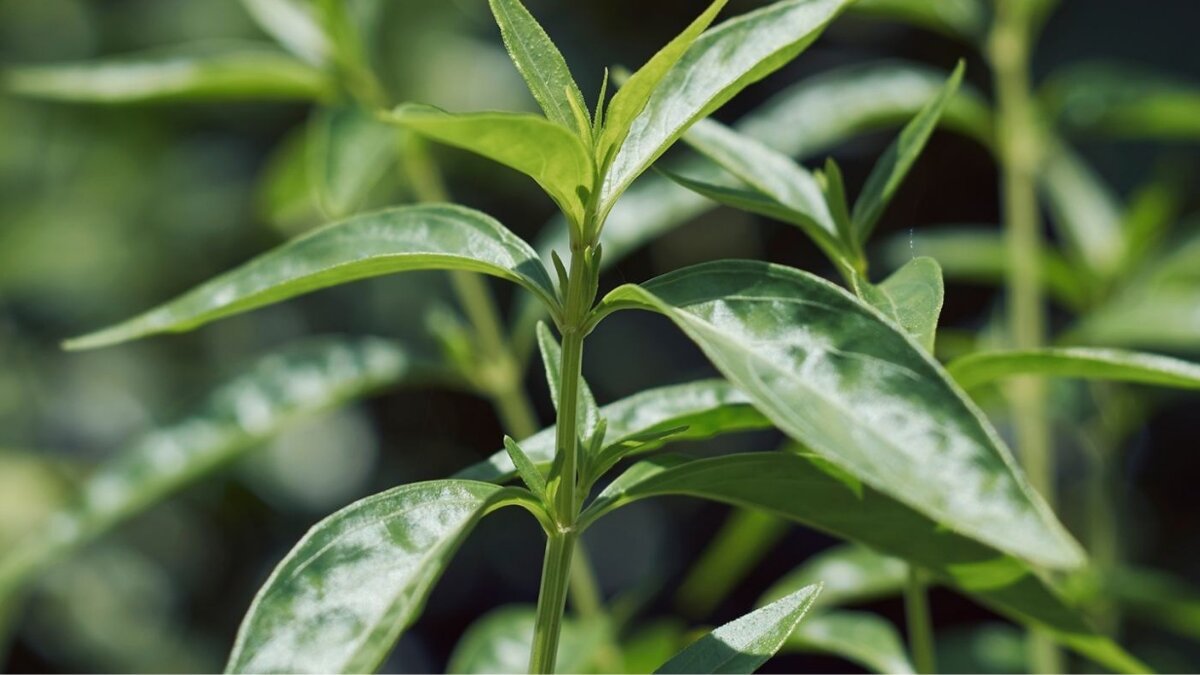
Kalmegh leaves for liver detox: traditional wisdom backed by science
Kalmegh (Andrographis paniculata), commonly known as “king of bitters,” is a medicinal plant used in Ayurveda and traditional medicine systems across Asia. One of its most well-known benefits is liver detoxification. Kalmegh leaves contain andrographolide, a bioactive compound that supports liver function by enhancing bile flow, reducing inflammation, and regenerating damaged liver cells.
This makes kalmegh highly effective in managing liver disorders such as hepatitis, fatty liver, and jaundice. Regular intake of kalmegh leaf extract or juice is said to cleanse the liver, especially after long-term medication use, alcohol consumption, or exposure to environmental toxins.
Kalmegh leaves for immunity boosting during seasonal changes
With the rise in viral infections and seasonal flu, kalmegh has gained popularity for its immune-boosting properties. The leaves possess strong anti-inflammatory, antiviral, and antibacterial effects, making them ideal for boosting the body’s natural defense mechanism.
Studies show that kalmegh extract can stimulate the production of white blood cells and enhance the activity of immune cells. This makes it useful for preventing common cold, sore throat, and flu. Taking kalmegh during seasonal transitions helps reduce the risk of infections and keeps the immune system active.
Kalmegh leaves for blood sugar control and diabetes management
Kalmegh leaves are highly beneficial for people with type 2 diabetes or those at risk. The bitter compounds in the leaves help in lowering blood sugar levels by improving insulin sensitivity and reducing glucose absorption in the intestines.
Daily consumption of kalmegh tea or juice under professional guidance may help regulate fasting blood glucose and postprandial sugar levels. It also reduces oxidative stress, which is a common issue in diabetic patients. However, it is advised to monitor sugar levels regularly to avoid hypoglycemia when combining kalmegh with diabetes medications.
Kalmegh leaves for digestive health and gut cleansing
The bitter nature of kalmegh leaves makes them ideal for digestive issues like indigestion, constipation, bloating, and loss of appetite. The plant helps stimulate digestive juices, promoting better breakdown and absorption of food.
Kalmegh also acts as a mild laxative and can relieve constipation when taken in moderation. It helps balance gut bacteria and reduces inflammation in the gastrointestinal tract, making it suitable for those with irritable bowel syndrome (IBS) or frequent digestive discomfort.
Kalmegh leaves as a natural remedy for skin infections and acne
The antimicrobial and anti-inflammatory properties of kalmegh leaves make them beneficial for skin health. When consumed internally or applied as a paste, the leaves can help in treating acne, boils, skin allergies, and minor wounds.
Kalmegh purifies the blood and reduces toxins that often manifest as skin issues. In Ayurveda, it is often recommended for treating eczema and fungal infections. A paste made from kalmegh leaves and turmeric can be applied topically for relief from itching and rashes.
Kalmegh leaves for fever and viral infections treatment
Kalmegh has been traditionally used to manage fevers, especially during viral infections like dengue and malaria. The leaves help bring down body temperature and improve recovery by reducing inflammation and boosting the immune response.
Kalmegh leaf juice, when taken with honey or tulsi leaves, is known to be effective against fever, body aches, and fatigue. Its natural antipyretic properties help the body recover faster without harsh side effects.
How to consume kalmegh leaves for maximum health benefits
Kalmegh leaves can be used in multiple forms, fresh leaves, powder, capsules, or juice. However, due to its bitter taste, many prefer it as a decoction or in capsule form. You can also boil a few fresh kalmegh leaves in water and consume the strained liquid on an empty stomach in the morning.
For external application, the leaves can be crushed into a paste and applied to the skin. It is essential to follow proper dosage and consult an Ayurvedic practitioner, especially for children, pregnant women, or individuals with chronic illnesses.
Precautions and possible side effects of kalmegh leaves
Despite its benefits, overuse of kalmegh can lead to certain side effects such as nausea, dizziness, and reduced appetite. Long-term use without medical supervision may also affect fertility or hormone levels. It is advisable to take breaks between periods of consumption and avoid use during pregnancy or breastfeeding.
Integrating kalmegh into a healthy lifestyle naturally
Kalmegh leaves offer a natural and effective solution for various health concerns ranging from liver issues to skin conditions. Their bitter taste may be a challenge, but the medicinal value is undeniable. By integrating kalmegh responsibly into your daily routine, you can boost your immunity, cleanse your body, and manage chronic health problems naturally.