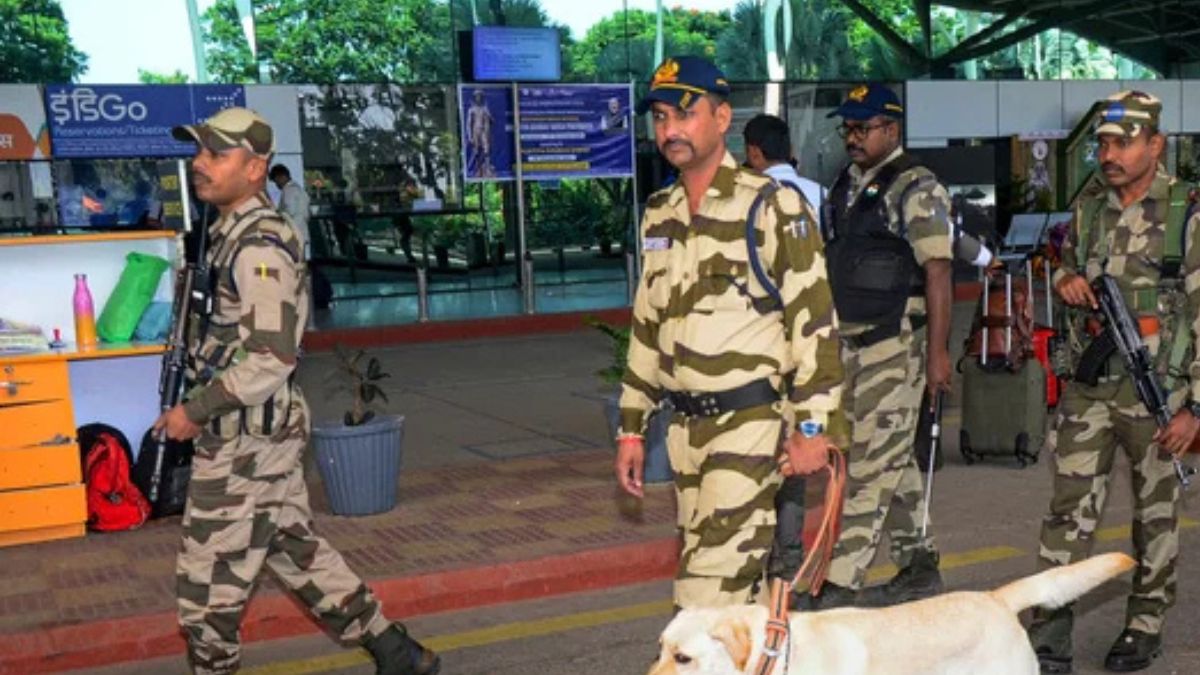
The Ministry of Home Affairs (MHA) has entrusted West Bengal’s Chief Electoral Officer (CEO) with the Central Industrial Security Force’s ‘Y-plus’ category armed security protection, according to officials. The security cover was issued based on a threat perception report compiled by intelligence agencies.
The security cover went into force on Friday, coinciding with the commencement of the hearing process for the Special Intensive Revision (SIR) push, a critical activity aimed at updating and cleaning electoral records ahead of next elections. With the revision process entering a critical phase that includes claims, objections, and public hearings, the Centre has intervened to safeguard the safety of the state’s senior election official.
Under the new arrangement, CISF officers will provide round-the-clock security to the CEO while he travels throughout West Bengal, as well as at his office and residence. The Y-plus category security comprises armed commandos and close-protection officers, reflecting increased fears about potential threats during the politically tense election.
The Special Intensive Revision is being carried out across West Bengal to validate voter information, eliminate duplicate and ineligible entries, and keep electoral rolls accurate and inclusive. The exercise includes booth-level officers, electoral registration officials, and multiple-level hearings to handle concerns about the inclusion, deletion, or correction of voter names. The hearing phase of the ongoing SIR began on December 27 for approximately 32 lakh electors in West Bengal who could not find themselves, their parents, or their grandparents on the 2002 electoral record.
During the hearing phase, election authorities will record and verify the identification documents of the ‘unmapped’ electors. This phase will end on February 7, 2026. Each Assembly constituency is likely to have 11 hearing tables spread over several locations, such as schools or government offices.
According to sources in the CEO’s office, the hearing process will involve 294 electoral registration officers, 3,200 assistant electoral registration officers, 4,600 micro-observers, and more than 80,000 booth-level officials across the state. The Election Commission of India has hired micro-observers from current Group B Central government employees in West Bengal to monitor the hearing process.