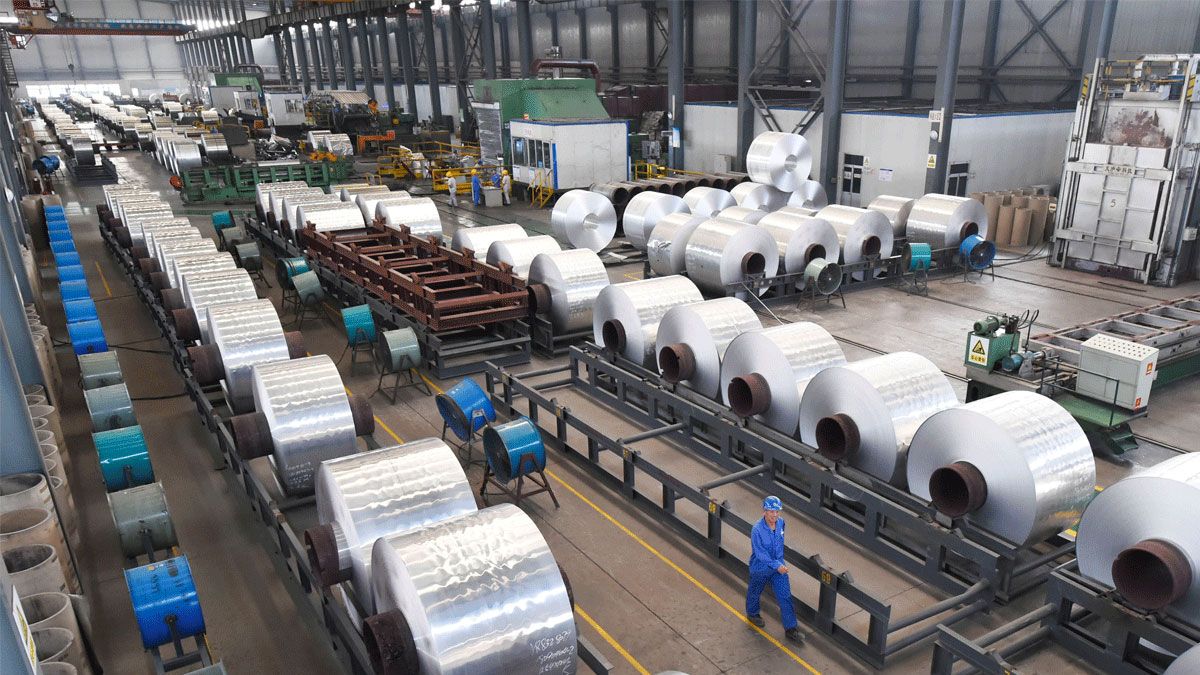
A policy paper released by CUTS International has cautioned that rising aluminium input costs could hamper India’s manufacturing expansion. With domestic aluminium demand projected to increase from 5.3 million tonnes to 8.3 million tonnes by 2030, the study says the current import duty framework is creating unintended hardships for MSMEs central to the Viksit Bharat 2047 vision.
Why Maharashtra Matters
Maharashtra, home to major aluminium-related industries in Nagpur, Chandrapur, Raigad and Pune, also supports thousands of small and mid-sized units involved in casting, extrusions and component production. This expansive value chain is now under stress as the 7.5% duty on primary aluminium contributes to rising input costs.
“The aluminium industry is tied to people’s livelihoods and local economic resilience,” an industry expert remarked. “When MSMEs face pressure, the entire supply chain—from raw material vendors to exporters—feels it.”
Competitiveness at Stake
According to ASMA’s Navendu K. Bharadwaj, reducing the duty on primary aluminium is essential for downstream industries to contribute to key sectors like construction, infrastructure, automobiles and electronics.
The report argues that the duty-driven price gap between Indian and international aluminium rates has left domestic manufacturers at a disadvantage, particularly in high-growth sectors like EVs, renewable energy and electronics.
Policy Pathway
Recommendations include:
• Lowering duties to help 3,500 MSMEs compete with duty-free finished imports.
• Fixing inverted duty structures.
• Improving job creation and export performance through stronger downstream manufacturing.
The report concludes that duty rationalisation is not just a sector-specific measure but a strategic move for national industrial growth, influencing manufacturing clusters from Maharashtra and Gujarat to Odisha and Tamil Nadu.