
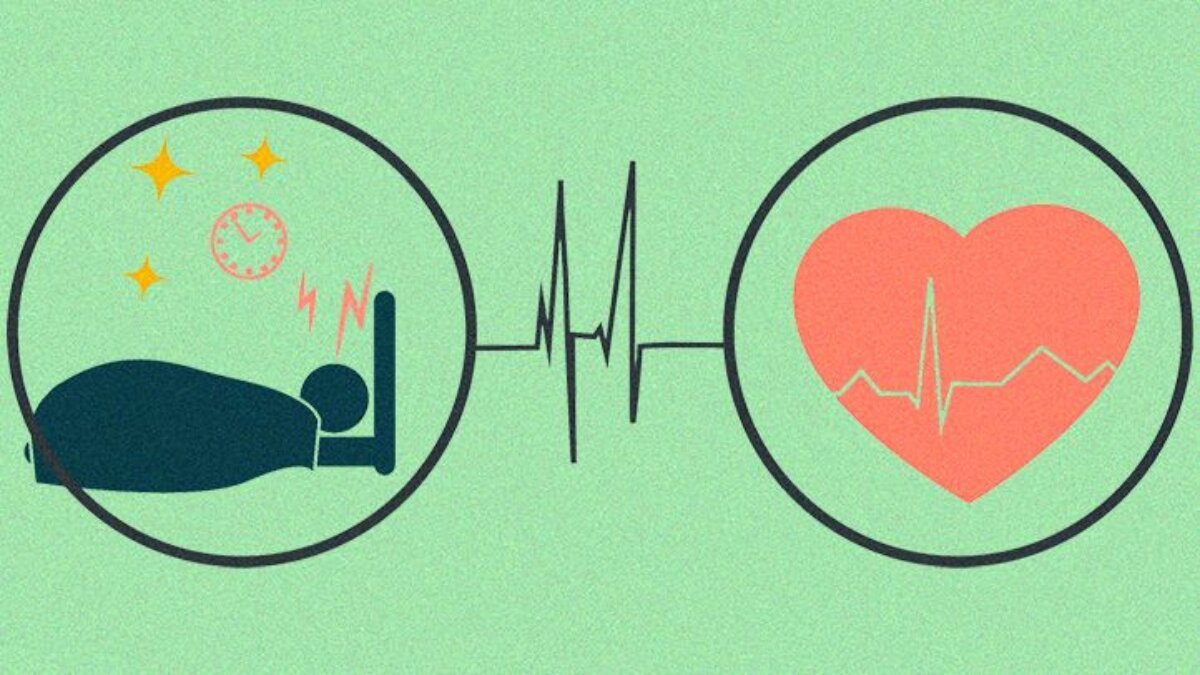
More than just a luxury, getting a good night’s sleep is essential for maintaining overall wellness, particularly heart health. Numerous studies have demonstrated the critical role that sufficient and high-quality sleep plays in controlling blood pressure, lowering the risk of stroke, and preventing heart disease. There is a strong connection between cardiovascular health and sleep.
1. Blood pressure regulation: Your body goes into a low-blood pressure state when you sleep, giving your heart much-needed relaxation. On the other hand, persistent sleep deprivation can throw off this rhythm and result in persistently elevated blood pressure, a significant risk factor for heart disease.
2. Reduction of inflammation: Getting enough sleep aids in the body’s natural healing process. Heart attacks can result from atherosclerosis, or the hardening of the arteries, which is connected to chronic inflammation. Inflammatory indicators may rise as a result of inadequate sleep, raising the risk of cardiovascular problems.
3. Heart rate variability: The difference in time between each heartbeat, or HRV, is supported by a healthy amount of sleep. Better cardiovascular fitness and stress resilience are linked to higher HRV. Sleep disturbances can lower HRV, which is a sign of cardiac disease.
4. Hormonal balance: The hormones that control stress, hunger, and glucose metabolism are impacted by sleep. These hormone imbalances raise the risk of heart disease by causing obesity, diabetes, and hypertension.
5. Mental health: Inadequate sleep is associated with mental health problems including depression and anxiety, which can make heart disease worse. Heart health is adversely affected by stress and emotional upheaval, and mental and emotional stability depend on getting enough sleep.