Scientifically proven digestive benefits of papaya
Papaya is known for its effective digestive properties, primarily due to an enzyme called papain. This enzyme helps break down proteins into smaller peptides and amino acids, easing the digestive process. Clinical trials have found that papain can reduce bloating, constipation, and symptoms of irritable bowel syndrome (IBS).
In addition to enzymes, papaya contains about 1.7 grams of dietary fiber per 100 grams, promoting regular bowel movements and supporting gut health. Fermented papaya has also been studied for its ability to balance gut microbiota and alleviate acid reflux.
Rich antioxidants in papaya strengthen immune response
Papaya is loaded with antioxidants, especially vitamin C, which plays a critical role in immune defense. A medium-sized papaya can provide more than 200% of the daily recommended intake of vitamin C, aiding the body’s ability to fight infections.
It also contains key carotenoids like beta-carotene, lycopene, and zeaxanthin. These compounds help protect white blood cells from oxidative damage. Research published in the Journal of Nutrition supports the claim that lycopene in papaya boosts immune function, especially in older adults.
Natural anti-inflammatory effects reduce chronic disease risks
Chronic inflammation is linked to diseases such as diabetes, arthritis, and heart disease. Papaya’s anti-inflammatory benefits stem from its rich supply of antioxidants and flavonoids. These compounds combat free radicals and help lower inflammation markers in the body.
A study in the journal Mediators of Inflammation found that diets high in carotenoids, such as those present in papaya, significantly reduce levels of C-reactive protein (CRP), a marker for inflammation. Including papaya in your diet may help prevent or manage inflammatory disorders naturally.
Nutrients in papaya improve skin texture and slow aging
Papaya is packed with skin-friendly nutrients like vitamin A, vitamin E, and lycopene. Vitamin A accelerates cell turnover, helping fade blemishes and scars. Lycopene offers protection from UV damage, which slows the skin’s aging process.
The enzyme papain is also used in skincare for its exfoliating properties. Applying mashed papaya directly to the skin or consuming it regularly can improve skin texture, reduce pigmentation, and bring a natural glow to the face.
Zeaxanthin and vitamin A in papaya support long-term eye health
The high content of zeaxanthin in papaya helps filter harmful blue light, protecting the retina and reducing the risk of age-related macular degeneration (AMD). Vitamin A in papaya supports night vision and keeps the surface of the eyes moist and healthy.
Nutrition research shows that a diet rich in colorful fruits like papaya can significantly delay the onset of cataracts and other degenerative eye issues. Regular intake is especially beneficial for older adults at risk of vision loss.
Papaya contributes to cardiovascular wellness and cholesterol balance
Papaya promotes heart health through its combination of dietary fiber, potassium, and antioxidants. Fiber helps reduce LDL cholesterol levels, while potassium balances sodium levels in the body, regulating blood pressure.
According to a study from the British Journal of Nutrition, papaya’s antioxidants prevent the oxidation of LDL cholesterol, a major factor in the development of heart disease. Its nutrient profile supports overall cardiovascular function and reduces the risk of stroke and heart attack.
Benefits of papaya for blood sugar control in diabetes
Despite being sweet, papaya has a low glycemic index, making it safe for individuals with type 2 diabetes. Its fiber content slows the absorption of sugar into the bloodstream, helping to prevent spikes in blood glucose levels.
Research published in the Asian Pacific Journal of Tropical Biomedicine has found that papaya leaf extract has hypoglycemic effects, improving insulin sensitivity in animal models. Including papaya in a diabetic diet may help with better glucose regulation.
Easy ways to add papaya to your daily meals
To enjoy the full benefits of papaya, it is best consumed ripe and fresh. Here are some simple and healthy ways to include it in your diet:
- Blend papaya into a smoothie with yogurt and banana
- Add chopped papaya to a fruit salad with citrus fruits
- Eat a bowl of ripe papaya before meals to boost digestion
- Mix papaya cubes into oatmeal or cereal for extra fiber
- Use green papaya in savory Thai or Indian curries
Why papaya is a must-have in a modern diet
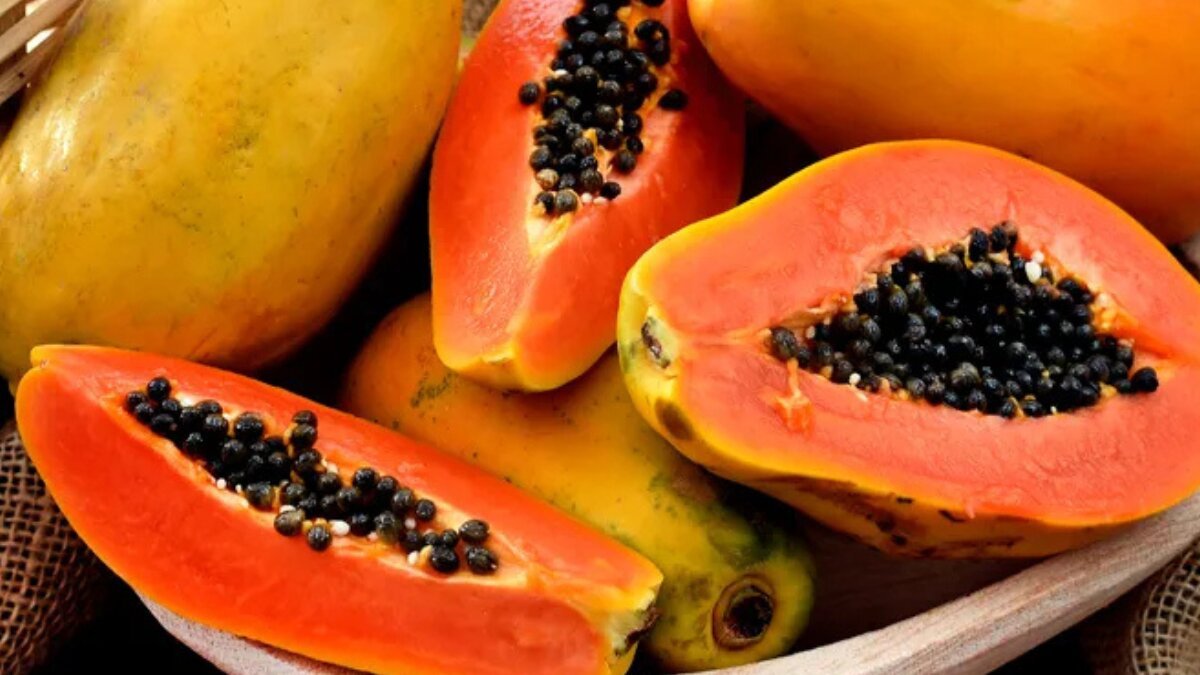
Papaya is a nutrient-rich fruit that supports digestion, immunity, skin health, heart function, and more. Backed by scientific studies, this tropical superfruit is not just delicious but also powerful in preventing and managing lifestyle diseases. Affordable and versatile, papaya deserves a regular place in your diet for long-term health and wellness.