
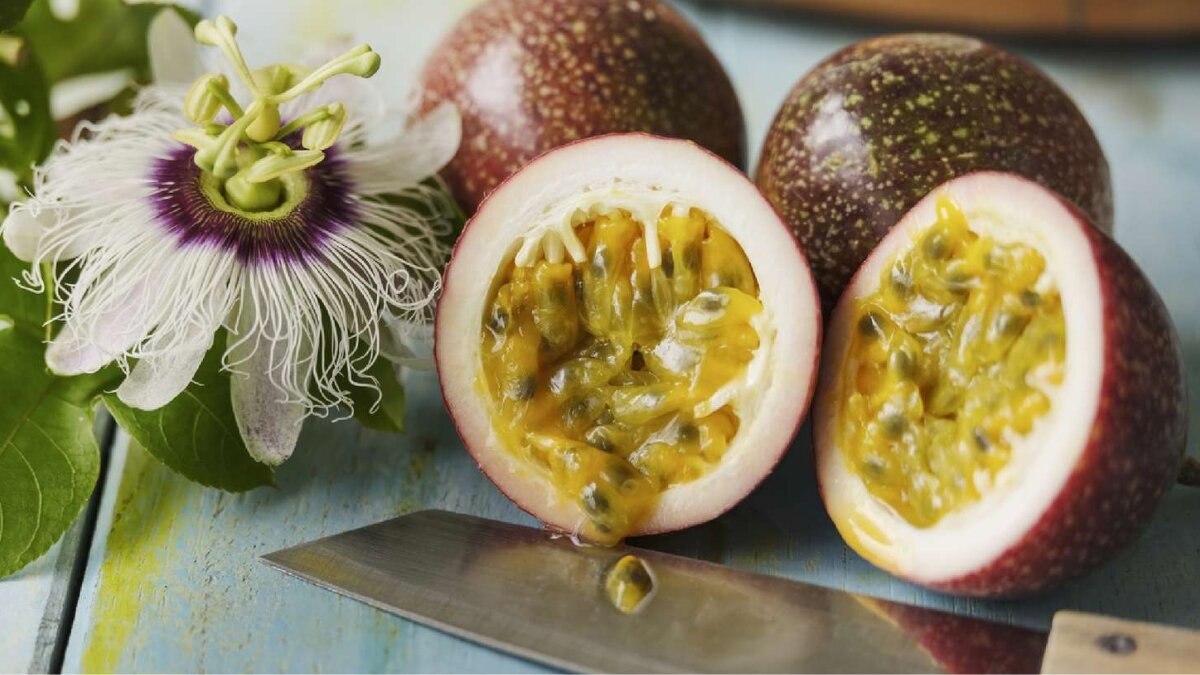
Rich in vitamin C, passion fruit boosts immune health naturally
One of the standout nutrients in passion fruit is vitamin C. A single fruit provides a significant portion of your daily requirement, helping to strengthen the immune system and improve resistance against common illnesses.
Vitamin C supports the body’s natural defense by enhancing the activity of white blood cells and promoting faster recovery. It also helps the body absorb iron more efficiently, reducing the risk of fatigue and improving energy levels.
Passion fruit contains antioxidants that protect your cells from damage
Passion fruit is loaded with antioxidants, including vitamin A, carotenoids, and polyphenols. These compounds help neutralize free radicals that can cause oxidative stress and contribute to premature aging and chronic disease.
Including antioxidant-rich fruits like passion fruit in your diet may support long-term cellular health, reduce inflammation, and protect against lifestyle-related conditions such as heart disease and cognitive decline.
The fiber in passion fruit supports digestion and gut health
Despite its small size, passion fruit is a great source of dietary fiber. The seeds are edible and provide both soluble and insoluble fiber, which are important for maintaining digestive balance.
Soluble fiber helps stabilize blood sugar and cholesterol levels, while insoluble fiber supports regular bowel movements and prevents constipation. Fiber also acts as a natural prebiotic, feeding beneficial gut bacteria and supporting a healthier microbiome.
Low glycemic index of passion fruit helps manage blood sugar levels
Passion fruit has a low glycemic index, meaning it does not cause rapid spikes in blood sugar levels after consumption. This makes it a suitable fruit for people managing blood sugar or aiming to reduce insulin resistance.
Its high fiber content further slows the absorption of sugar in the bloodstream, providing stable energy and reducing cravings. Including passion fruit in a balanced diet can help maintain healthy glucose levels.
Passion fruit is rich in plant compounds that support heart health
This tropical fruit contains potassium, a mineral that helps regulate blood pressure by balancing sodium levels in the body. A diet rich in potassium supports healthy arteries and reduces the risk of hypertension.
Additionally, the antioxidants and fiber in passion fruit contribute to lower LDL (bad cholesterol) levels and improved HDL (good cholesterol), making it heart-friendly. Eating passion fruit regularly may promote cardiovascular wellness over time.
Vitamin A and antioxidants in passion fruit support glowing skin
Passion fruit contains vitamin A and other skin-supporting compounds that help maintain a healthy complexion. Vitamin A promotes cell turnover and keeps skin smooth, while antioxidants protect against damage caused by pollution and sun exposure.
Hydrating and nutrient-rich, passion fruit may also help improve skin elasticity and tone. Including it in your diet can support a natural glow from within, especially when paired with overall healthy habits and hydration.
Magnesium in passion fruit supports mood, sleep, and muscle health
Passion fruit provides magnesium, an essential mineral that helps regulate nerve function, reduce stress, and support better sleep. Magnesium is also important for maintaining muscle health and preventing cramps.
Consuming magnesium-rich foods like passion fruit can be especially helpful for people experiencing fatigue, anxiety, or poor sleep patterns. Regular intake may contribute to better mental and physical well-being.