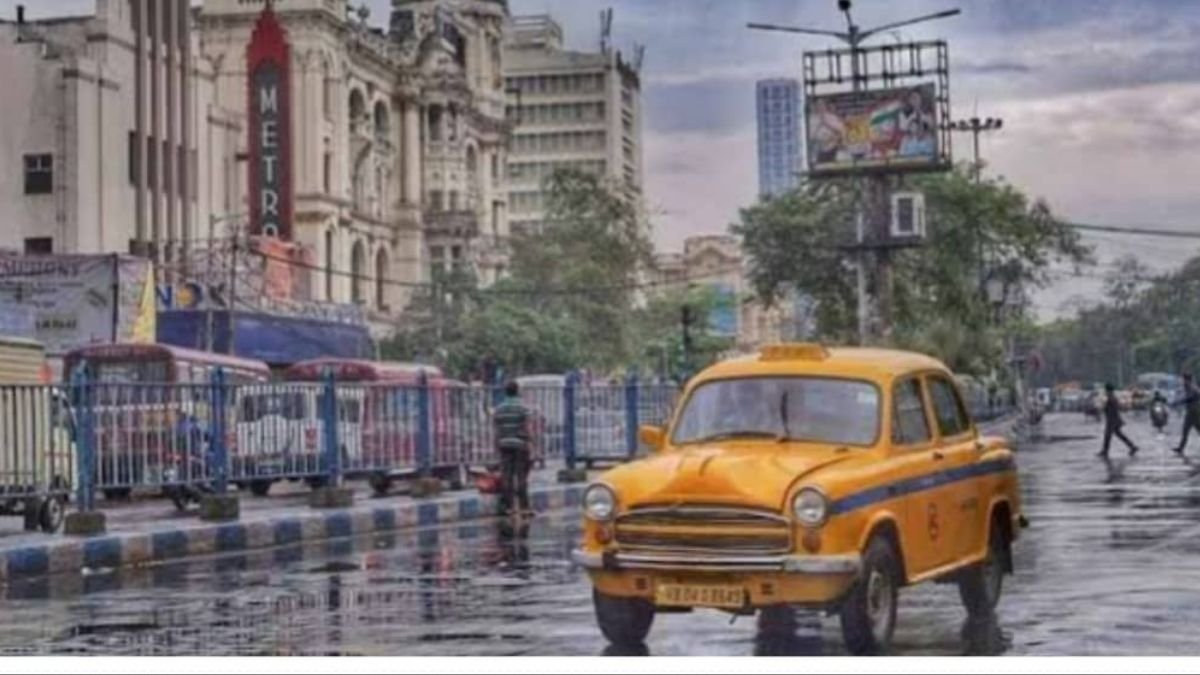
A rainy day in Kolkata is more than just water-soaked streets and cloudy skies — it’s a nostalgic mood, a sensory memory, a cultural emotion. The city, with its colonial architecture, trams, and tea stalls, becomes a cinematic backdrop during the monsoon. But no Bengali rainy day is complete without music. From Rabindrasangeet to contemporary melodies, these songs have become timeless companions for drizzly afternoons and thundering evenings. Below are 5 Bengali songs perfect for a rainy day in Kolkata, each evoking unique emotions and visuals that resonate with the soul of the city.
1. “Shrabon Tumi” – Timeless Rain Song by Hemanta Mukhopadhyay
There’s perhaps no song more intimately tied to the Bengali monsoon than “Shrabon Tumi” by Hemanta Mukhopadhyay. With lyrics by Subhash Mukhopadhyay and music composed by Hemanta himself, this Rabindrasangeet-inspired melody captures the melancholic beauty of a rain-washed afternoon. The use of the word Shrabon (the monsoon month) immediately places the listener in the thick of Kolkata’s rainy rhythm — dripping window panes, the smell of petrichor, and the soft sound of raindrops on tiled rooftops. The haunting baritone of Hemanta adds a layer of quiet longing, making it a staple on every Bengali’s monsoon playlist.
2. “Ei Meghla Dine Ekla” – A Monsoon Mood Song from Saptapadi
“Ei Meghla Dine Ekla”, sung by Suchitra Mitra and immortalized in the film Saptapadi (1961), is an emotional tour de force that resonates with the feeling of solitude on a cloudy day. Composed by Robin Chattopadhyay, the song is a poignant example of how Bengali cinema has always treated rain as an emotional metaphor — for longing, love, and loss. This song plays during a quiet sequence in the film, visually framed by misty, rainy weather, perfectly mirroring the emotional turbulence of the characters. Even today, many Kolkatans find themselves humming this song while looking out over a grey skyline from their balconies.
3. “Tumi Jake Bhalobasho” – Rabindra Sangeet’s Romantic Monsoon Magic
Among Tagore’s vast repertoire, “Tumi Jake Bhalobasho” stands out as a deeply introspective yet romantic piece, ideal for a rainy day in Kolkata. Often sung by legends like Debabrata Biswas and Rezwana Chowdhury Bannya, the song’s lyrics revolve around silent love and inner turmoil — themes that resonate profoundly when the sky is heavy with clouds. The monsoon is not always a time for celebration; for Bengalis, it often invites reflection, and this Rabindrasangeet provides the perfect soundscape. The gentle tabla and tanpura arrangement further ground it in the rain-soaked serenity of a Kolkata afternoon.
4. “Brishti Pore Tapur Tupur” – Children’s Rain Anthem from Film Bhalobasa Bhalobasa
For a more cheerful take on rain, “Brishti Pore Tapur Tupur” from the film Bhalobasa Bhalobasa (1985) is an iconic choice. Sung by Aarti Mukherjee, this song carries an almost childlike joy associated with the rain — jumping in puddles, paper boats, and uninhibited laughter. While the lyrics are simple, derived from a popular Bengali rhyme, the music by Bappi Lahiri turns it into a playful yet emotionally resonant song. This track captures the Kolkata monsoon from the eyes of innocence and joy — something every Bengali adult remembers from their childhood.
5. “Brishti Tomake Dilam” – Modern Bengali Monsoon Song by Anjan Dutt
A newer but emotionally powerful addition to Kolkata’s rainy day soundtrack is “Brishti Tomake Dilam” by Anjan Dutt. This song, part of the urban Bengali music revolution of the late ’90s and early 2000s, explores the theme of letting go — using rain as a metaphor for emotional release. With a blend of modern rock, blues, and Bengali lyrical storytelling, it speaks to a younger audience navigating heartbreak and nostalgia during monsoon. Dutt’s husky voice and minimalist arrangement echo the sound of rain against a cafe windowpane — an urban Kolkata setting familiar to many today.
The monsoon in Kolkata is more than just a season — it’s an emotion steeped in music, poetry, and memory. These five Bengali rainy day songs are not just popular tracks; they are cultural milestones that reflect how the city processes emotion, solitude, romance, and reflection through music. Whether it’s the gentle melancholy of Hemanta’s voice or the youthful rebellion of Anjan Dutt’s lyrics, these songs continue to be the heartbeat of Kolkata when it rains.