
Understanding post-meal sugar spikes and why they matter
Post-meal sugar spikes, or postprandial hyperglycemia, occur when glucose levels rise sharply after eating, especially meals high in refined carbohydrates or sugars. These spikes can lead to long-term complications such as insulin resistance, type 2 diabetes, and cardiovascular issues. Managing blood sugar fluctuations is crucial not only for diabetics but also for people looking to maintain stable energy, healthy weight, and hormonal balance.
A key factor in controlling these spikes lies in the composition and order of foods consumed. Recently, nutrition research has highlighted the benefits of consuming fiber-rich foods like salad before or with meals as a strategy to slow glucose absorption.
How salad with fiber can slow glucose absorption naturally
Fiber, particularly soluble fiber found in vegetables like lettuce, spinach, cucumbers, carrots, and bell peppers, plays a significant role in moderating sugar spikes. When consumed before or along with meals, fiber forms a gel-like layer in the stomach and small intestine. This slows down digestion and the release of glucose into the bloodstream.
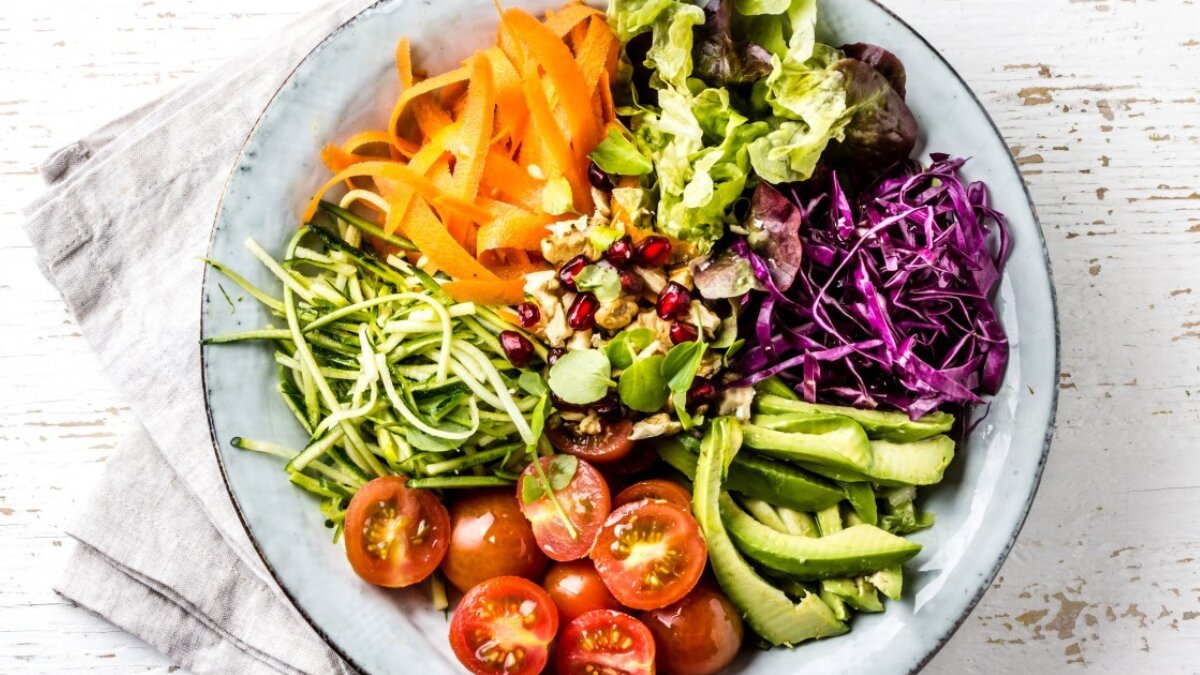
Adding a bowl of salad, especially one that includes leafy greens, colorful vegetables, seeds, and a healthy fat source like olive oil, can create a natural barrier that blunts the impact of high-carb foods consumed later in the meal. This technique is known as “food sequencing” and is backed by studies suggesting that consuming vegetables before starches can reduce post-meal glucose levels by up to 30%.
Best salad ingredients for blood sugar control
Not all salads offer the same benefits when it comes to blood sugar regulation. Choosing the right combination of ingredients is essential.
Here are some of the most effective additions:
- Leafy greens: Spinach, kale, arugula, and lettuce are rich in magnesium and fiber, which help regulate insulin sensitivity.
- Non-starchy vegetables: Bell peppers, cucumbers, tomatoes, radishes, and carrots provide crunch, flavor, and slow-digesting carbohydrates.
- Healthy fats: Avocados, olive oil, chia seeds, and nuts not only enhance taste but also slow digestion and lower glycemic load.
- Fermented additions: A spoonful of sauerkraut or kimchi adds probiotics that may help improve insulin response.
Avoid adding sugary dressings, croutons, or processed toppings as these can raise the glycemic load and negate the benefits.
Timing matters: why eating salad before the main meal is more effective
The sequence of eating is crucial when aiming to reduce sugar spikes. Eating fiber-rich salad before consuming carbohydrates leads to better glycemic control compared to eating it afterward. This is because fiber lines the gut and prepares it to slow down the absorption of starches and sugars from subsequent foods.
One study demonstrated that consuming a salad 10–15 minutes before a meal led to significantly lower blood sugar levels compared to eating the same salad after the meal. Making salad your first course may therefore provide measurable metabolic advantages.
Additional lifestyle tips to further reduce sugar spikes
While incorporating salad is a practical first step, a holistic approach provides more comprehensive control. Consider the following:
- Pair carbs with protein and fat: This slows digestion and reduces the rate of sugar absorption.
- Take a walk after meals: Light physical activity within 30 minutes after eating can help muscles absorb glucose more efficiently.
- Hydrate well: Staying hydrated supports kidney function and helps flush out excess glucose.
- Get quality sleep: Poor sleep can impair insulin sensitivity and lead to more frequent sugar spikes.
- Reduce stress: Elevated cortisol can lead to increased glucose levels; meditation or breathing exercises can help.
Who can benefit most from this simple dietary change
Anyone looking to reduce fatigue, manage weight, or support metabolic health can benefit from lowering post-meal sugar spikes. However, this approach is especially useful for:
- People with prediabetes or type 2 diabetes
- Individuals on high-carb or mixed diets
- Those experiencing energy crashes or cravings after meals
- People focused on hormonal balance and long-term cardiovascular health
The power of one bowl of salad
Reducing sugar spikes doesn’t always require complex interventions. A simple, consistent habit like adding a well-constructed bowl of salad to your daily meals,especially before the main course can significantly stabilize blood sugar. Combined with mindful eating, balanced macronutrients, and physical activity, this small change can have a big impact on your long-term metabolic health.