
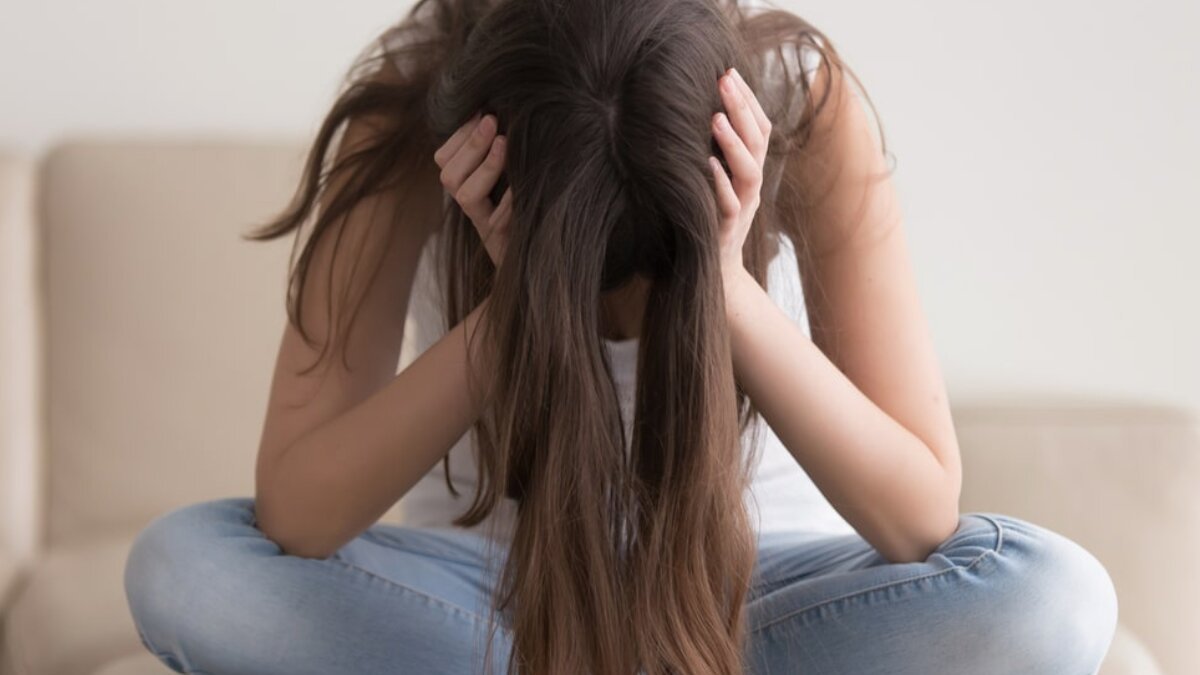
Social media trends and beauty filters are shaping young minds
In the age of Instagram, TikTok, and constant selfies, teenage girls are exposed to idealized beauty images daily. Most of these images are filtered, edited, or carefully curated to project a flawless lifestyle. Unfortunately, this creates a narrow and unrealistic standard of beauty that many young girls feel pressured to achieve. Whether it’s having a perfectly toned body, flawless skin, or trendy fashion, teenage girls are constantly comparing themselves to an ideal that often doesn’t even exist.
The impact goes beyond mere appearance. Studies have shown that excessive exposure to these beauty ideals leads to dissatisfaction with one’s own body, low self-esteem, and an increased risk of mental health issues. What begins as a desire to look “better” often becomes a daily battle with self-worth and confidence.
Extreme steps taken by teenage girls to meet beauty expectations
To meet society’s rigid expectations, many teenage girls resort to harmful practices. Crash dieting, excessive workout routines, and even skipping meals have become common among teens trying to achieve a specific body type. Some fall into dangerous behaviors such as purging, using laxatives, or taking unprescribed weight-loss pills.
These methods not only harm their physical health but also trigger long-term psychological issues. Eating disorders like anorexia nervosa and bulimia are now being diagnosed at younger ages, and recovery is often slow and emotionally painful. Girls who engage in these habits frequently report symptoms of depression, anxiety, and chronic body dissatisfaction.
Moreover, the constant fear of judgment and rejection based on looks can isolate them socially. They may avoid school events, sports, or even friendships just because they don’t feel “pretty enough” to fit in.
The role of influencers and peer comparison in shaping body image
One major reason behind the rise in body image issues is the influence of social media personalities and peer comparisons. Influencers who promote diet teas, cosmetic procedures, or body transformation challenges often have a deep impact on young minds. They create an illusion that success and happiness are tied to appearance, not character or talent.
Teenage girls, who are still forming their identity, are more likely to internalize these messages. When they see friends or celebrities receiving praise for their looks, it reinforces the idea that being beautiful is more important than being smart, kind, or talented.
Peer comparison makes the problem worse. With photos and videos being constantly shared online, teens often feel left out or “less than” if they don’t match the same beauty standards. This constant cycle of comparison can slowly erode self-confidence and lead to a negative body image.
How poor body image directly impacts teenage mental health
Body image dissatisfaction is directly linked to mental health disorders among teens. Girls who are unhappy with their appearance are more likely to experience mood swings, social withdrawal, and symptoms of depression. In extreme cases, the emotional burden can lead to self-harm or suicidal thoughts.
Additionally, these struggles can affect academic performance and relationships. Constant preoccupation with looks can reduce focus in school, lower motivation, and create tension with friends or family members who might not understand the depth of the problem.
Unfortunately, many teens suffer in silence, fearing judgment or dismissal from adults. Some parents may overlook the early signs, considering them part of “normal teenage behavior,” but in reality, these can be serious red flags.
How parents, teachers, and society can help teens break free
- Encourage open conversations about body image and mental health without judgment.
- Promote diverse representation of body types and appearances in media, classrooms, and communities.
- Educate teens about media literacy, helping them understand that what they see online is often filtered or staged.
- Praise qualities like creativity, kindness, and intelligence over appearance.
- Avoid making negative comments about weight whether it’s about the teen or others.
- Provide access to mental health support, including counselors and therapists, if needed.
- Model positive body image behavior as adults. Teens often mirror what they see at home.
The pressure to fit into beauty standards is harming the mental health of countless teenage girls. It’s time to change the conversation around beauty, promote self-worth beyond appearance, and create a safe space where girls can thrive just as they are. Only by collectively challenging these harmful ideals can we protect the emotional well-being of the next generation.