Bengal Sarees as Symbols of Heritage and Grace
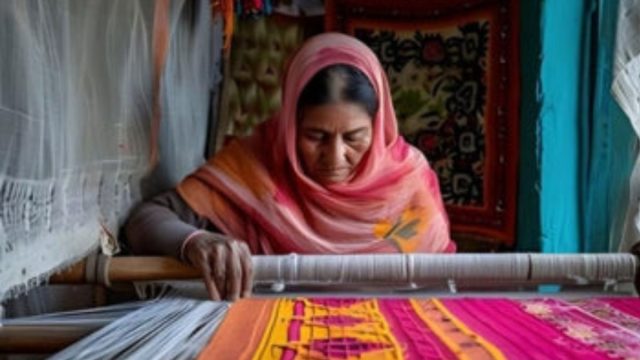
Bengal has long been a hub of India’s rich textile heritage, with its sarees standing as proud emblems of artistry, tradition, and identity. Woven in towns and villages with centuries-old techniques, Bengal-origin sarees are not merely attire, they are living artifacts that embody regional culture, mythology, and craftsmanship. From the finely embroidered Kantha to the majestic silk of Baluchari, each style has a unique tale to tell.
1.Jamdani Saree: The Pride of Dhakai Weaving Tradition
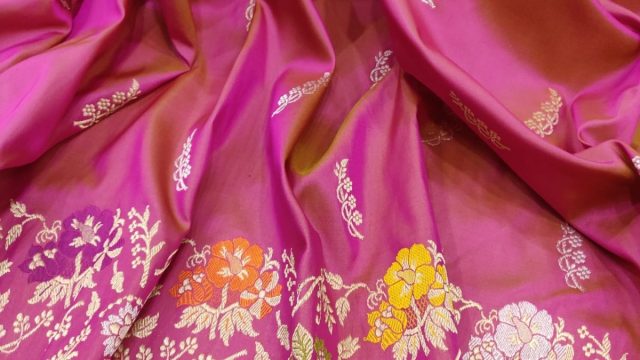
Jamdani sarees, originally developed in Dhaka (now in Bangladesh) and later nurtured in West Bengal, are the epitome of intricate craftsmanship. Recognized by UNESCO as an Intangible Cultural Heritage of Humanity, Jamdani is woven on a handloom with muslin cotton using the supplementary weft technique, which allows artisans to create complex motifs that almost seem to float on the fabric.
In Bengal, particularly in districts like Nadia and Murshidabad, Jamdani weaving has found a vibrant home. The motifs often depict nature-inspired patterns such as mangoes (known locally as “kalka”), lotus, and fish. These sarees are popular for their lightweight texture and are commonly worn during weddings and festivals like Durga Puja. The combination of fine muslin and ornamental patterns makes the Jamdani saree a timeless treasure.
2.Baluchari Saree of Bishnupur: Mythology Woven in Threads
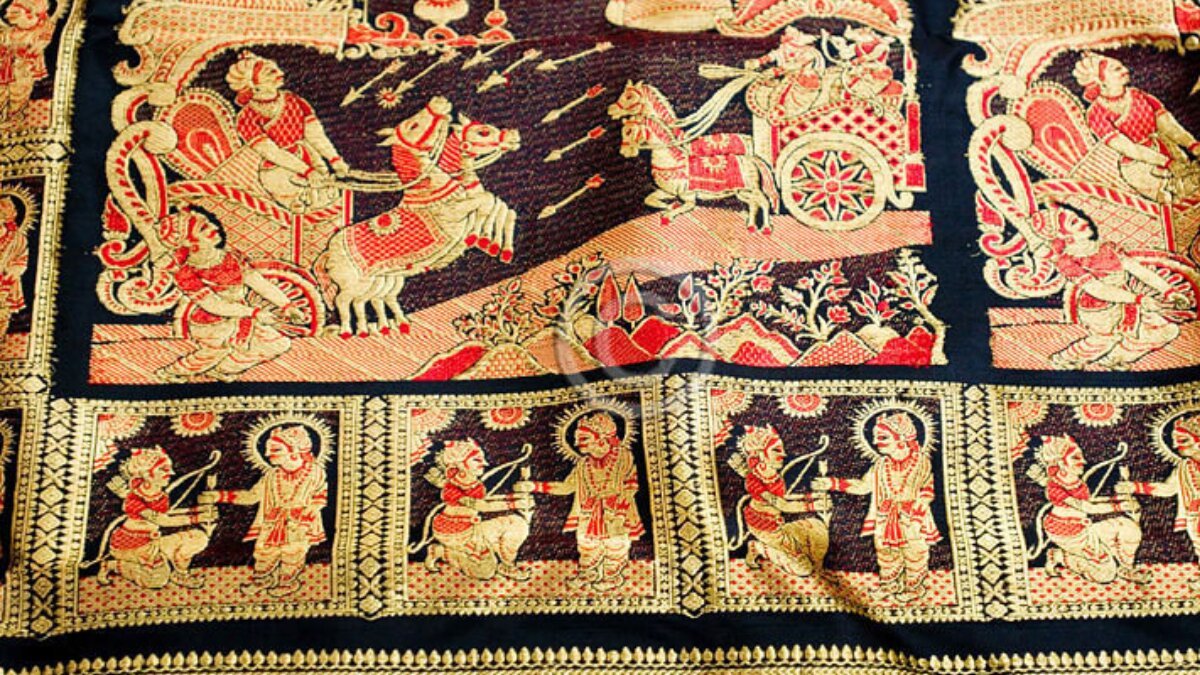
Originating from the town of Baluchar in Murshidabad and later flourishing in Bishnupur, the Baluchari saree is known for its rich silk texture and mythological narrative depictions. These sarees are characterized by intricate pallus featuring scenes from epics like the Mahabharata and Ramayana, woven using jacquard looms.
Baluchari sarees are made of fine tussar or mulberry silk, often in deep hues like royal blue, maroon, and bottle green. Artisans use untwisted silk threads to create vivid, storytelling borders and pallus, turning each piece into a wearable artwork. A Baluchari saree takes about a week to 10 days to complete, depending on the complexity of the design. These sarees are ideal for grand occasions and often passed down as heirlooms.
3.Tant Saree: Everyday Comfort with Cultural Roots
Tant sarees are perhaps the most widely worn sarees in West Bengal, especially in rural and semi-urban areas. Crafted from starched cotton, Tant sarees are ideal for the humid climate of Bengal, offering comfort without compromising on style. They are known for their broad, decorative borders and striped or checkered patterns.
The weaving centers for Tant sarees include Shantipur, Phulia, Kalna, and Dhatrigram in Nadia district. Traditional Tant sarees feature motifs like paisleys, flowers, and leaves, which are woven into the saree during the loom process itself. While earlier Tant sarees were limited to white or off-white bases with red borders, today they come in a wide range of colors and designs, making them suitable for both casual and semi-formal occasions.
4.Garad and Korial Sarees: The Purity of Ritual Wear
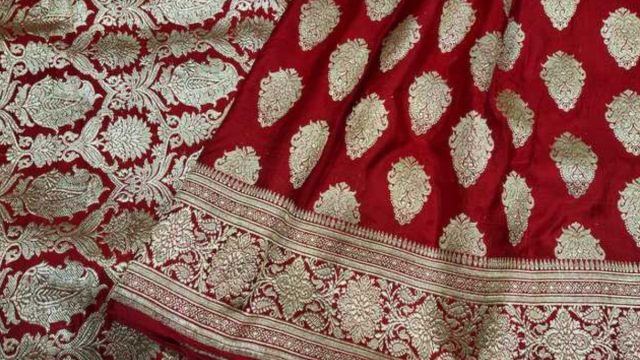
Garad and Korial sarees are two variations often confused but serve distinct cultural purposes. Garad sarees are white or off-white with red borders and are traditionally worn during religious ceremonies and rituals. The word “Garad” itself means ‘white’ in Bengali. These sarees are never dyed, symbolizing spiritual purity.
Korial sarees, on the other hand, are a more ornate version of Garad, used primarily for festive or wedding occasions. While maintaining the red and white color palette, Korial sarees feature intricate gold zari work and richer textures. Both types are iconic during events like Durga Puja, where the traditional red-and-white combination is seen as auspicious and symbolic of feminine energy.
5.Kantha Stitch Sarees: Embroidery that Tells a Story
Though Kantha is traditionally an embroidery style used on quilts made from old sarees and dhotis, it has evolved into a popular embellishment for sarees. Primarily practiced by rural women in Bolpur, Birbhum, and Murshidabad, Kantha embroidery features running stitches that narrate stories, folklore, and daily life scenes.
Modern Kantha sarees are usually made on tussar or cotton fabric, with the embroidery done entirely by hand. Motifs range from flora and fauna to geometric shapes and human figures. These sarees can take several weeks to complete, depending on the complexity of the design. They are now appreciated not only for their beauty but also for empowering rural artisans, especially women.
Bengal Sarees as Living Cultural Heritage
Sarees that originate from Bengal are more than just garments they are a reflection of history, tradition, and artistic excellence. Each weave tells a story of a place, its people, and their customs. Whether it is the ethereal Jamdani, the narrative-rich Baluchari, or the humble Tant, Bengal sarees continue to maintain their relevance in modern wardrobes while preserving centuries-old traditions. Their growing global appeal reaffirms their status as icons of Indian handloom heritage.