
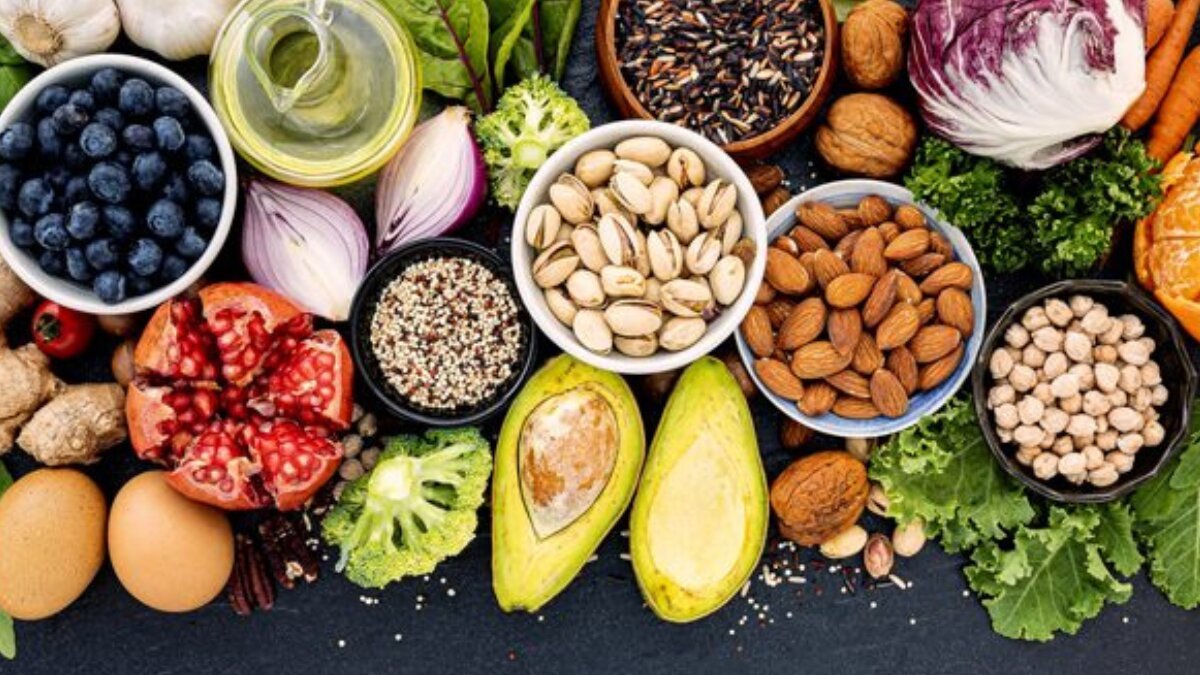
Leafy greens help lower blood sugar and reduce inflammation
Leafy greens such as spinach, kale, and Swiss chard are excellent choices for people managing high blood sugar. They are extremely low in carbohydrates and calories while being rich in essential nutrients like magnesium, vitamin A, and antioxidants. These vegetables help reduce inflammation and oxidative stress, both of which are common in people with high glucose levels. Magnesium in particular plays a critical role in glucose metabolism and insulin activity.
Non-starchy vegetables stabilize post-meal blood sugar spikes
Vegetables like broccoli, cauliflower, Brussels sprouts, zucchini, and bell peppers are non-starchy and have a very low glycemic index. These vegetables are high in fiber and water content, which can slow down the digestion of carbohydrates and prevent sudden spikes in blood sugar after meals. Broccoli, in particular, contains sulforaphane, a plant compound that may help improve insulin sensitivity.
Legumes provide plant-based protein and regulate glucose release
Beans, lentils, and chickpeas are rich in fiber and protein, both of which help slow the absorption of sugars into the bloodstream. Their low glycemic index and high resistant starch content make them a great alternative to refined grains and simple carbohydrates. Studies show that regular consumption of legumes can reduce hemoglobin A1C levels, a key marker of long-term blood sugar control.
Berries support glucose regulation and reduce oxidative stress
Strawberries, blueberries, raspberries, and blackberries are among the best fruits for blood sugar control. Unlike tropical fruits that are high in sugar, berries have a low glycemic load and are packed with antioxidants like anthocyanins. These compounds have been shown to enhance insulin response and reduce blood sugar levels after meals. Berries also have a high fiber-to-sugar ratio, which helps in slowing sugar absorption.
Whole grains with low glycemic index improve insulin function
Not all carbohydrates are harmful for blood sugar. Whole grains like quinoa, barley, oats, and brown rice have a lower glycemic index compared to refined grains and provide sustained energy. Oats contain beta-glucan, a type of soluble fiber that slows glucose absorption and improves insulin sensitivity. Barley is also effective in lowering both fasting and post-meal glucose levels.
Fatty fish reduce insulin resistance and inflammation
Salmon, sardines, and mackerel are rich in omega-3 fatty acids, which are known to lower inflammation, a key driver of insulin resistance. In people with type 2 diabetes or high blood sugar, fatty fish may help improve lipid profiles and reduce cardiovascular risks. Including fatty fish in the diet 2–3 times per week can also help reduce fasting glucose levels over time.
Nuts and seeds support steady blood sugar through healthy fats
Almonds, walnuts, chia seeds, and flaxseeds are excellent sources of healthy fats, plant protein, and fiber. These components work together to slow the release of glucose into the bloodstream. A handful of nuts or a tablespoon of seeds can help prevent sugar crashes and reduce appetite, preventing overeating. Walnuts and flaxseeds are also rich in alpha-linolenic acid (ALA), a type of omega-3 that has anti-inflammatory effects.
Greek yogurt helps manage postprandial glucose levels
Plain Greek yogurt is a high-protein dairy option with a low glycemic index. It contains probiotics that may improve gut health and insulin sensitivity. The protein content also slows down digestion, leading to a more gradual rise in blood sugar levels. Look for unsweetened varieties to avoid added sugars that can spike glucose levels.
Cinnamon enhances insulin sensitivity and glucose metabolism
Cinnamon has been studied for its blood sugar-lowering properties. It may improve insulin sensitivity and reduce fasting blood glucose levels when consumed regularly. Adding half a teaspoon of cinnamon daily to foods like oatmeal, smoothies, or tea can offer small but significant benefits in managing high blood sugar.
Avocados improve glucose control through healthy monounsaturated fats
Avocados are high in monounsaturated fats and fiber, both of which are beneficial for blood sugar control. The fats help reduce insulin resistance and the fiber slows digestion. Avocados also promote satiety, helping prevent frequent snacking and carb cravings. They have a minimal impact on blood glucose and are a smart addition to meals.
Managing high blood sugar requires consistent dietary choices that support glucose control, reduce inflammation, and promote insulin function. Incorporating nutrient-dense, low-glycemic foods like leafy greens, berries, whole grains, and healthy fats can significantly help in regulating blood sugar levels. Always pair these foods with regular physical activity and consult your healthcare provider for personalized dietary advice.