Understanding low hemoglobin and its dietary impact
Hemoglobin is a protein found in red blood cells that helps transport oxygen throughout the body. When your hemoglobin levels drop below the normal range, you may experience symptoms such as tiredness, shortness of breath, dizziness, and poor concentration. This condition, commonly linked to iron-deficiency anemia, can be influenced by your dietary choices. Incorporating the right foods can significantly improve hemoglobin production and restore healthy blood levels.
Red meat and organ meats are rich in heme iron
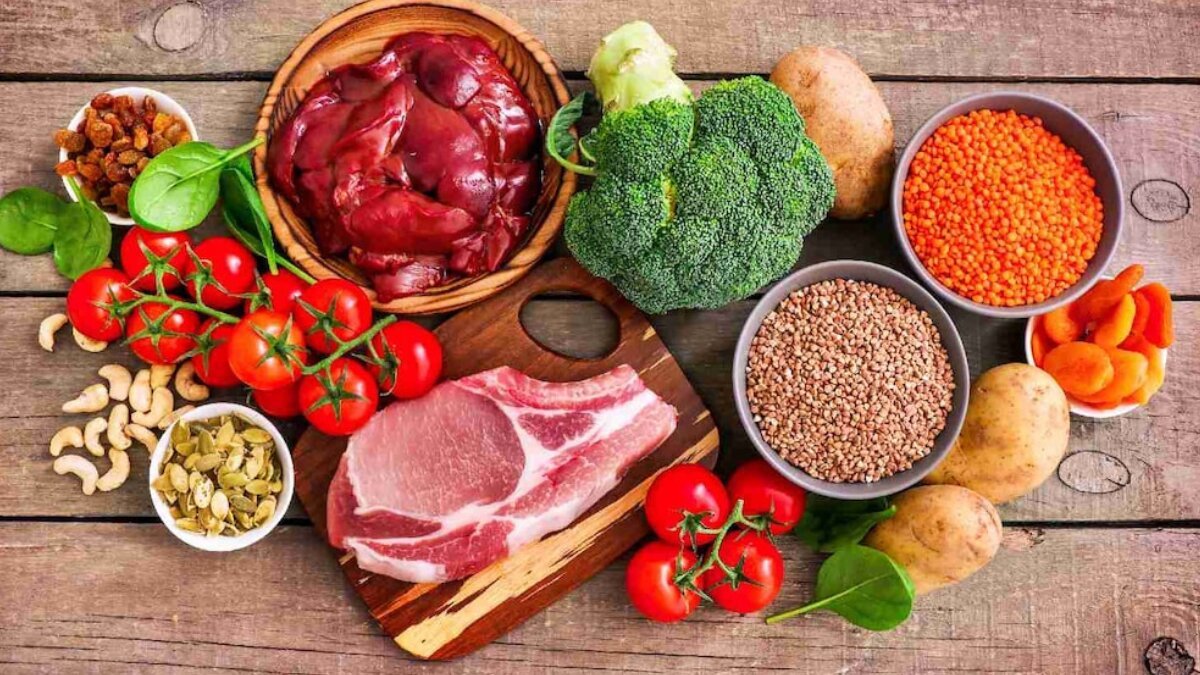
Red meats like beef, lamb, and pork, as well as organ meats such as liver and kidney, are among the best sources of heme iron. Heme iron is highly bioavailable, meaning it is more easily absorbed by the body compared to non-heme iron found in plant-based foods. A small serving of beef liver provides over 6 mg of iron per 100 grams and is also rich in vitamin B12 and folate nutrients essential for red blood cell formation.
Spinach and dark leafy greens for non-heme iron and folate
Spinach, kale, collard greens, and Swiss chard are excellent plant-based sources of non-heme iron. Although non-heme iron is not absorbed as efficiently, consuming it with vitamin C-rich foods can enhance absorption. Spinach also offers high amounts of folate, which supports hemoglobin synthesis and red blood cell production. One cup of cooked spinach can provide about 6 mg of iron.
Legumes like lentils, chickpeas, and soybeans improve iron intake
Lentils, kidney beans, black beans, chickpeas, and soybeans are potent sources of non-heme iron. They are also high in protein, fiber, and other nutrients that support metabolic function. One cup of cooked lentils contains about 6.6 mg of iron, making them ideal for vegetarians and vegans trying to boost their hemoglobin levels. Soaking and sprouting legumes can also increase nutrient availability.
Fortified cereals and grains help maintain hemoglobin
Many breakfast cereals and grain products are fortified with iron, especially for people at risk of anemia. Choosing whole grain cereals with added iron and B vitamins can offer a significant portion of your daily iron requirements. For example, a serving of iron-fortified oats may contain up to 10 mg of iron. Always check the label for iron content and opt for products without added sugars.
Pumpkin seeds and sesame seeds offer high iron density
Pumpkin seeds, sesame seeds, flaxseeds, and sunflower seeds are compact yet nutrient-rich sources of iron. One ounce of pumpkin seeds provides approximately 2.5 mg of iron, along with magnesium, zinc, and healthy fats. These can be easily added to salads, smoothies, or breakfast bowls for a daily iron boost.
Vitamin C-rich foods improve iron absorption naturally
Vitamin C enhances the absorption of non-heme iron by converting it into a form that is easier for the body to absorb. Adding vitamin C-rich foods such as oranges, strawberries, kiwi, bell peppers, and tomatoes to your meals can significantly increase the bioavailability of iron. A simple salad with lemon juice dressing can help your body make better use of plant-based iron sources.
Pomegranate and beetroot juice support blood health
Pomegranate and beetroot are often recommended in traditional diets for improving blood count and energy levels. Pomegranate is rich in iron, vitamin C, and antioxidants, which help increase hemoglobin levels and protect red blood cells. Beetroot contains nitrates and iron, supporting better oxygen circulation. Drinking fresh juice from these fruits or adding them to meals may support long-term hemoglobin production.
Shellfish like clams and oysters are iron powerhouses
Clams, oysters, and mussels are some of the highest natural sources of heme iron. Just 100 grams of cooked clams can provide up to 28 mg of iron far exceeding the daily requirement. Shellfish are also high in vitamin B12 and copper, nutrients that play a crucial role in maintaining healthy red blood cells and hemoglobin.
Eggs offer moderate iron and essential nutrients
Eggs contain a modest amount of iron, around 1.2 mg per large egg, but they also supply high-quality protein, vitamin B12, and essential amino acids. Consuming eggs regularly can support overall blood health, especially when combined with other iron-rich foods. Pairing eggs with vegetables and citrus fruits can improve nutrient synergy.
Cooking in cast iron pans increases dietary iron
While not a food, using cast iron cookware can increase the iron content of food, especially acidic foods like tomato-based sauces. This simple kitchen choice can help those with low hemoglobin increase their iron intake without changing their diet drastically.
Managing low hemoglobin levels begins with a strategic diet focused on both heme and non-heme iron sources, vitamin C for absorption, and nutrient-dense whole foods. A combination of animal-based and plant-based foods, along with healthy cooking methods, can gradually improve hemoglobin levels and overall vitality. For persistent anemia or very low hemoglobin, consult a healthcare professional for personalized guidance.