
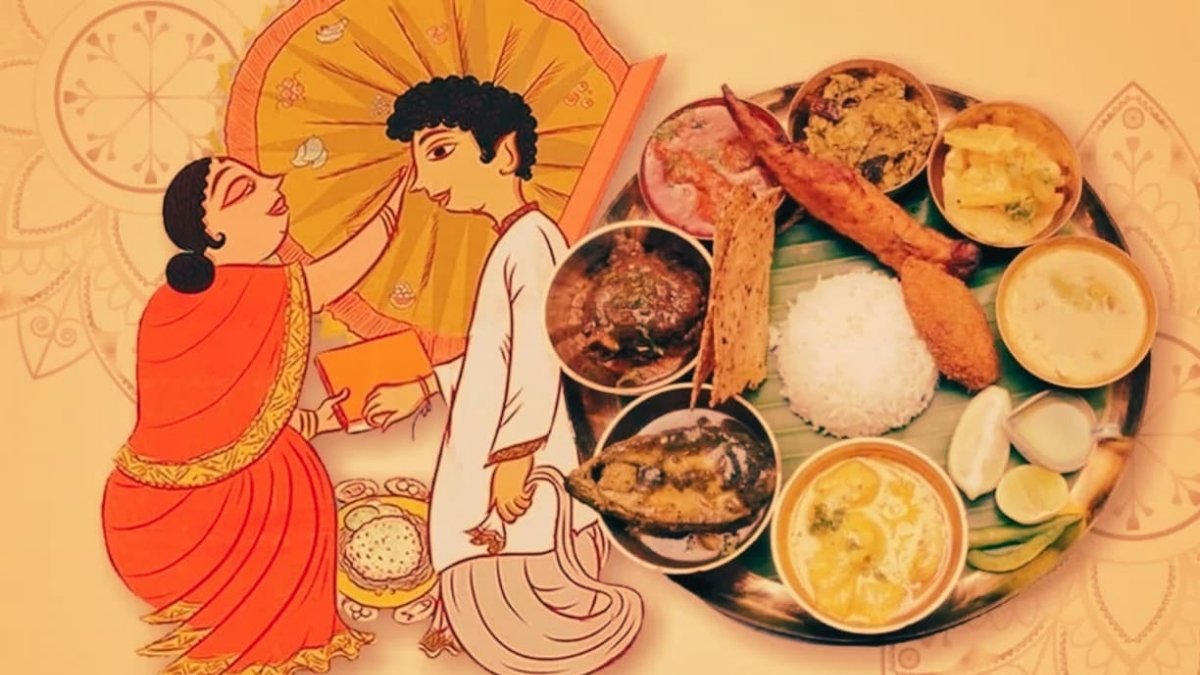
Jamai Sasti, a traditional Bengali festival dedicated to sons-in-law, holds immense cultural importance—especially for newly married couples. This celebration marks the bond between a mother-in-law and her son-in-law, with feasts, rituals, and blessings. For newlyweds, it’s more than a custom—it’s their first official appearance as a couple in front of the bride’s extended family. Here are the top 5 things newlyweds must keep in mind for Jamai Sasti to make it memorable and respectful.
1. Understanding Jamai Sasti Rituals for First-Time Sons-in-Law
For a newly married man, the Jamai Sasti rituals may feel overwhelming if unfamiliar with Bengali customs. Traditionally, the mother-in-law performs a Sasthi puja in the morning to pray for her daughter’s and son-in-law’s long life. The son-in-law is then invited, often with great fanfare, to a feast at his in-laws’ home.
Newlyweds should:
- Learn the significance of each ritual—from applying sindoor and tying yellow thread (sacred thread) to receiving gifts like dhoti, sweets, and fruits.
- Be respectful during the puja, even if not religiously inclined.
- Dress appropriately in ethnic wear, like kurta-pajama or dhoti-kurta for the husband, and saree or salwar for the wife.
2. Importance of Wearing Traditional Bengali Attire on Jamai Sasti
Your attire on Jamai Sasti is not just about fashion—it’s a symbol of respect and integration into Bengali culture. Newlyweds, especially non-Bengali grooms, should take special care to choose traditional Bengali outfits for Jamai Sasti.
Tips for dressing right:
- The son-in-law should ideally wear a cotton or silk dhoti-kurta, or a Panjabi with embroidered borders.
- The bride can complement him by wearing a taant or jamdani saree, reflecting Bengal’s textile heritage.
- Avoid Western clothing for the main ceremony, unless specified otherwise by the family.
3. Mastering Etiquette When Meeting Extended In-Laws During Jamai Sasti
For newlyweds, Jamai Sasti is often the first occasion where the groom meets the bride’s extended family in a formal setting. Managing first impressions is critical.
Here’s what to remember:
- Address elders properly—use “Kaku, Pisi, Mashi, etc.,” as per Bengali kinship terms.
- Accept gifts and blessings graciously, even if the attention feels overwhelming.
- The bride should support her husband in navigating family dynamics, explaining customs when needed.
4. Preparing or Participating in the Traditional Jamai Sasti Feast
The Jamai Sasti lunch menu is a culinary celebration in itself, featuring elaborate traditional Bengali dishes like ilish maach (hilsa fish), shorshe bata (mustard curry), begun bhaja, shukto, and a variety of sweets like rosogolla and mishti doi.
Newlyweds should:
- Inform in advance about any dietary restrictions or allergies.
- Participate in the cooking process if staying with in-laws—this is often appreciated.
- Be open to trying new dishes, but politely decline if something is too spicy or unfamiliar.
5. Navigating Gift Etiquette for Jamai Sasti as Newlyweds
While the son-in-law traditionally receives gifts from his in-laws, it’s equally thoughtful to carry return gifts for Jamai Sasti—a modern twist that reflects mutual respect.
Gift etiquette tips:
- Bring a small token of appreciation, such as sweets, dry fruits, or handicrafts for your mother-in-law.
- A jointly chosen gift by the newlyweds shows unity and thoughtfulness.
- Avoid extravagant gifts—it’s the gesture that counts more than the price tag.
Your first Jamai Sasti after marriage is a meaningful milestone. It’s not just about food and rituals, but about forming bonds with your spouse’s family and respecting long-standing traditions. Whether you’re embracing Bengali culture for the first time or deepening your roots, being attentive, respectful, and participative ensures a joyful celebration that sets the tone for the years ahead.