
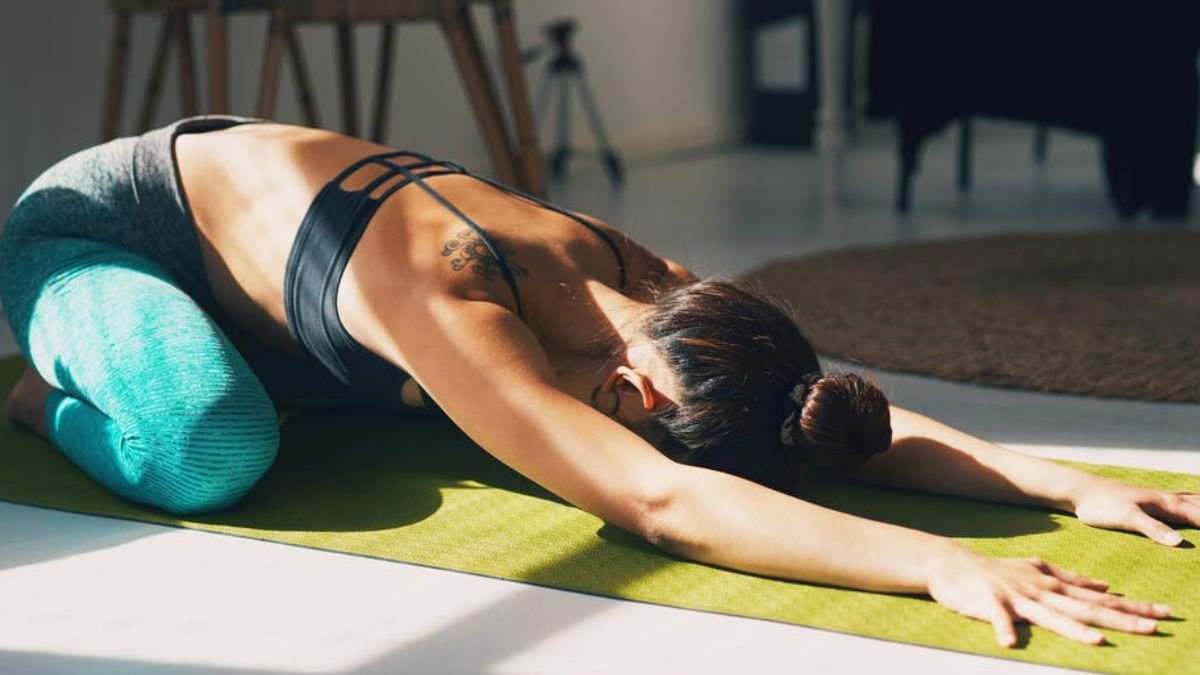
If you’re stepping onto the mat for the first time, yoga can feel both exciting and intimidating. Whether your goal is improved flexibility, stress relief, or a better mind-body connection, starting your yoga journey correctly can make a big difference. Here’s a practical guide to the top 5 things to keep in mind while doing yoga for the first time, tailored for beginners who want an informed and smooth entry into the world of yoga.
1. Choose the Right Yoga Style for Beginners – Don’t Start with Advanced Forms
One of the most important considerations when doing yoga for the first time is selecting a beginner-friendly yoga style. Jumping straight into high-intensity formats like Ashtanga, Power Yoga, or Hot Yoga can lead to overwhelm or injury.
Best yoga styles for first-timers:
- Hatha Yoga: Slow-paced and gentle, ideal for learning basic poses and breathing.
- Vinyasa Yoga: Slightly more dynamic, helps you understand pose transitions.
- Iyengar Yoga: Great for alignment-focused practice using props for support.
2. Understand the Importance of Breath Control in Yoga Practice
Many beginners focus on poses but neglect pranayama (yogic breathing techniques), which is central to a balanced yoga practice. In yoga, breath guides movement and promotes inner calm.
Why breath control matters for first-time yoga practitioners:
- It helps maintain stability and reduce fatigue in challenging poses.
- Controlled breathing activates the parasympathetic nervous system, lowering stress.
- Focusing on breath keeps your mind anchored in the present moment.
3. Never Skip the Warm-Up – Prevent Injuries in First Yoga Sessions
Yoga may look gentle, but going straight into poses without preparing your body can cause muscle strain. Warm-ups are crucial in first-time yoga practice to increase blood flow and joint mobility.
Effective yoga warm-up exercises include:
- Cat-Cow stretches to mobilize the spine.
- Wrist and ankle rolls to loosen joints.
- Sun Salutations (Surya Namaskar) to warm up the full body.
4. Use Props and Modifications Without Hesitation – Yoga for Beginners Should Be Accessible
There’s a common misconception that you need to touch your toes or bend like a pretzel to do yoga. In reality, modifications are essential for first-time yoga students to avoid strain and maintain correct alignment.
Beginner-friendly yoga props and how they help:
- Blocks: Support your hands in standing poses like Triangle or Half Moon.
- Straps: Help you reach limbs comfortably during hamstring stretches or binds.
- Bolsters and blankets: Offer support in restorative poses and help you relax deeply.
5. Listen to Your Body – Avoid Comparing Yourself During Your First Yoga Class
Yoga isn’t about performance; it’s about body awareness, balance, and personal growth. The biggest mistake beginners make is trying to match the instructor or others in the class, often pushing beyond their safe range.
How to stay mindful during your first yoga session:
- Pay attention to any discomfort or tension and back off if needed.
- Choose child’s pose or savasana if you feel dizzy or fatigued.
- Celebrate small progress—like improved breathing or better posture—over visual “perfection.”
Doing yoga for the first time is a unique opportunity to connect with your body and mind. By choosing the right yoga style, understanding breath control, warming up properly, embracing props, and listening to your body, you lay the groundwork for a fulfilling and sustainable yoga practice. These five essential tips will help you avoid common pitfalls and make your first yoga experience truly empowering.