
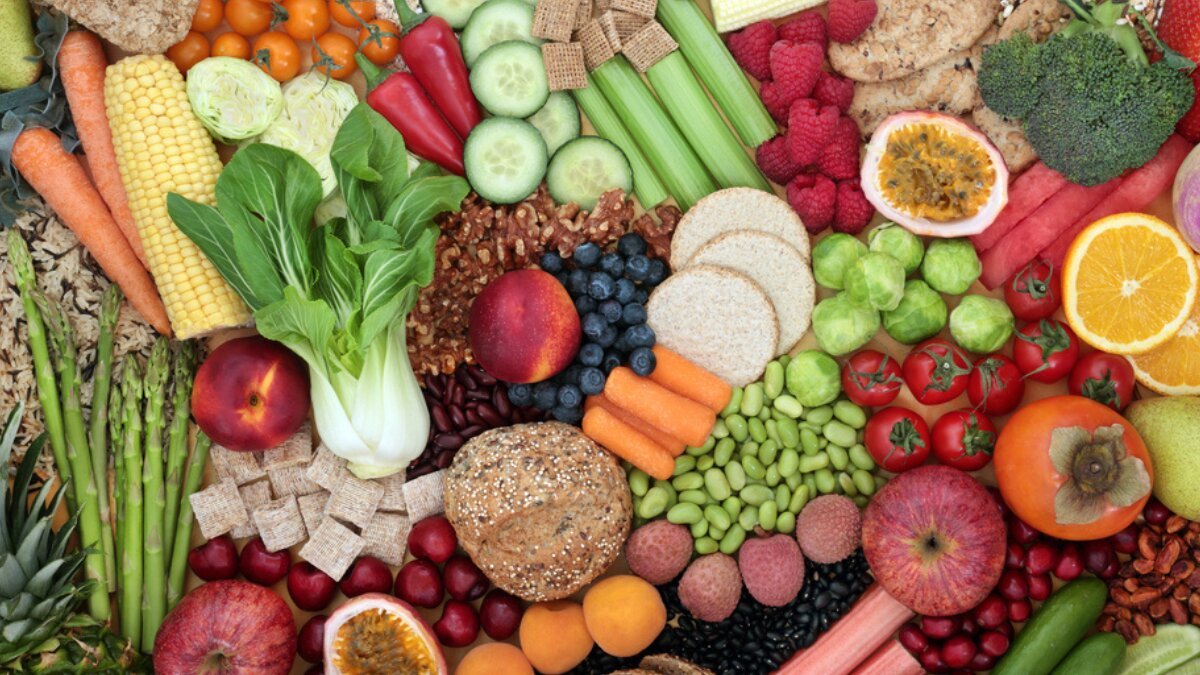
Add more soluble fiber with oats, barley, and legumes
One of the most effective dietary changes to manage high cholesterol is increasing soluble fiber intake. Soluble fiber binds to cholesterol particles in the digestive system and helps remove them from the body before they enter the bloodstream.
Oats are among the best sources, providing about 2 grams of soluble fiber per half-cup of dry oats. Start your day with a bowl of oatmeal topped with berries or chopped apples. Barley is another excellent choice, rich in beta-glucan, a form of soluble fiber shown to lower LDL (bad) cholesterol levels.
Legumes like lentils, chickpeas, and black beans also pack significant soluble fiber. Incorporating these into soups, stews, or salads just a few times a week can make a big difference in lowering LDL cholesterol naturally.
Focus on healthy fats with nuts, seeds, and avocado
Not all fats are bad for cholesterol. In fact, monounsaturated and polyunsaturated fats help lower LDL levels and increase HDL (good) cholesterol. Almonds, walnuts, flaxseeds, and chia seeds are rich in these heart-healthy fats along with plant sterols, compounds that block cholesterol absorption in the intestines.
A handful of unsalted nuts a day is associated with a lower risk of heart disease. Avocados, loaded with monounsaturated fats and fiber, are another powerful addition to a cholesterol-lowering diet. Try sliced avocado on whole-grain toast or add it to a smoothie.
Eat fatty fish like salmon and mackerel rich in omega-3 fatty acids
Omega-3 fatty acids do not lower LDL cholesterol directly but help reduce triglycerides and prevent the formation of plaque in the arteries. Fatty fish like salmon, sardines, mackerel, herring, and tuna are high in omega-3s and are excellent protein sources that replace red meat, which is often high in saturated fat.The American Heart Association recommends eating at least two servings of fatty fish per week. Try grilled or baked fish seasoned with herbs and lemon instead of fried versions to keep the benefits intact.
Use olive oil instead of butter and margarine for better cholesterol levels
Swapping saturated fats like butter and margarine for extra virgin olive oil can significantly improve cholesterol levels. Olive oil is rich in monounsaturated fats and antioxidants that help prevent LDL cholesterol from oxidizing, which is a key step in heart disease development.
Use olive oil as a salad dressing base, for sautéing vegetables, or even as a spread by mixing it with herbs and garlic. Aim for about two tablespoons of olive oil per day as part of your cholesterol-conscious diet.
Add plant sterol-rich foods like fortified yogurts and spreads
Plant sterols and stanols are naturally occurring substances in plants that block cholesterol absorption in the gut. Studies show that consuming 1.5 to 2.4 grams of plant sterols daily can lower LDL cholesterol by up to 10 percent.Many fortified foods are now available, including certain yogurts, milk, orange juices, and margarine spreads. Check product labels for the exact amount of sterols per serving and include them as part of a balanced meal.
Snack on cholesterol-lowering fruits like apples, berries, and citrus
Fruits are packed with fiber, antioxidants, and natural compounds that help lower cholesterol. Apples contain pectin, a type of soluble fiber that reduces LDL levels. Berries are rich in polyphenols, which help reduce oxidative stress and inflammation that contribute to heart disease.
Oranges and grapefruits provide both fiber and vitamin C, supporting overall heart health. Snack on fresh fruits between meals or add them to breakfast bowls, smoothies, or desserts for added nutrition and cholesterol-lowering benefits.
Include soy-based proteins like tofu and soy milk for LDL reduction
Soy proteins are an effective cholesterol-lowering food option. Research shows that consuming 25 grams of soy protein per day can reduce LDL cholesterol by about 5 to 6 percent.
Soy milk, tofu, tempeh, and edamame are versatile additions to any meal plan. Use tofu in stir-fries, soy milk in smoothies, or snack on boiled edamame to get the benefits without added cholesterol or saturated fat.
Avoid trans fats and reduce saturated fat to see real improvements
While adding healthy foods is essential, cutting out harmful ones is just as important. Trans fats found in processed snacks, baked goods, and some margarines raise LDL and lower HDL cholesterol. Saturated fats, found in red meat, full-fat dairy, and fried foods, should also be limited.Check food labels for “partially hydrogenated oils” and avoid those products. Opt for lean cuts of meat, low-fat dairy, and heart-healthy cooking methods like baking, steaming, or grilling.
Managing high cholesterol doesn’t mean following a restrictive or bland diet. By choosing nutrient-rich, whole foods like oats, nuts, fatty fish, fruits, and plant-based proteins, you can effectively lower LDL cholesterol and improve heart health. Consistency is key, so aim to make these choices a regular part of your everyday meals for lasting results.