Beetroot boosts blood pressure control naturally
One of the most well-researched benefits of beetroot is its ability to reduce high blood pressure. Beetroot is rich in dietary nitrates, which the body converts into nitric oxide. This compound relaxes and widens blood vessels, improving blood flow and lowering pressure levels. A study published that consuming beetroot juice could significantly reduce both systolic and diastolic blood pressure within hours of intake. This natural mechanism makes beetroot an effective, side-effect-free food option for people managing hypertension.
Enhance physical performance with beetroot nitrates
Athletes and fitness enthusiasts often turn to beetroot juice for performance enhancement. The same nitrates that support heart health also improve muscle oxygenation during exercise. According to a research, drinking beetroot juice before physical activity can increase endurance by up to 16 percent. This benefit is particularly significant for high-intensity workouts and aerobic activities. Regular consumption can improve stamina, delay fatigue, and enhance overall athletic performance without relying on synthetic supplements.
Beetroot supports liver detoxification and health
Beetroot contains betaine, a bioactive compound known to support liver function. Betaine aids in the process of detoxification by promoting the elimination of toxins and reducing liver inflammation. It also supports the production of glutathione, the body’s primary antioxidant for liver cleansing. A healthy liver is crucial for hormone balance, digestion, and fat metabolism, making beetroot a valuable addition for those looking to support their internal cleansing naturally.
Improved cognitive function and brain health with beetroot
Beetroot’s nitrates not only benefit the cardiovascular system but also enhance brain health. Increased blood flow, especially to the frontal lobe, has been linked to improved cognitive function and slower progression of age-related dementia. A study conducted by Wake Forest University highlighted that older adults who consumed beetroot juice before exercise showed better brain connectivity in regions associated with movement and executive functioning. This suggests beetroot may support mental clarity, focus, and memory when consumed consistently.
Fight inflammation with beetroot’s antioxidant power
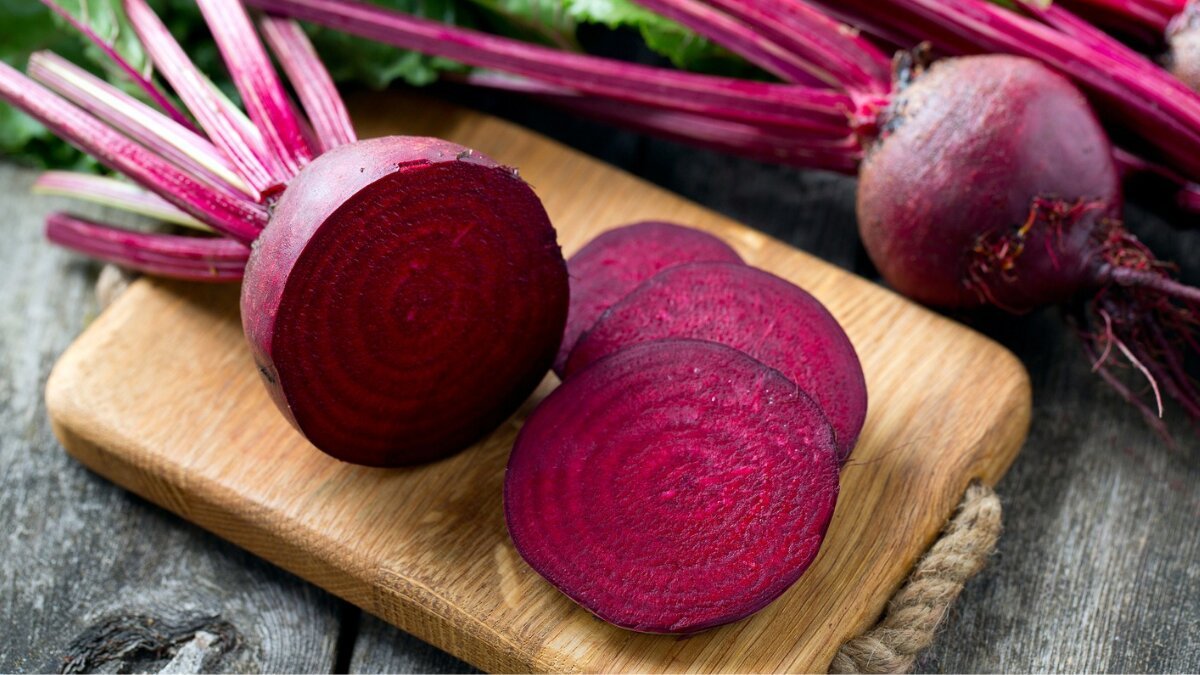
Beetroot is a powerhouse of antioxidants, especially betalains, which give it its deep red color. These antioxidants have strong anti-inflammatory properties. Chronic inflammation is linked to numerous conditions like arthritis, heart disease, and certain cancers. Incorporating beetroot into your diet can help lower inflammatory markers and protect tissues from oxidative stress. Moreover, beetroot’s high vitamin C content further boosts immune function and combats cellular damage.
Beetroot promotes healthy digestion and gut balance
Beetroot is rich in fiber, making it excellent for digestive health. One cup of raw beetroot provides around 3.8 grams of dietary fiber, which supports regular bowel movements, prevents constipation, and feeds beneficial gut bacteria. Fiber also helps in maintaining a healthy weight by promoting satiety. Including beetroot in salads, smoothies, or as a cooked side dish can help improve gut flora and promote overall gastrointestinal health.
Beetroot for skin glow and natural detox from within
Thanks to its high antioxidant and vitamin content, beetroot can contribute to glowing, healthy skin. Vitamin C in beetroot helps synthesize collagen, which is essential for skin elasticity and youthfulness. Additionally, beetroot’s detoxifying effect on the liver aids in clearing up skin issues such as acne and dullness. Drinking beetroot juice regularly may help purify the blood and improve complexion over time, acting as a natural skin enhancer from the inside out.
Managing blood sugar with beetroot’s low glycemic index
Contrary to what some believe, beetroot is safe for people with diabetes when consumed in moderation. It has a low glycemic index (GI), which means it doesn’t cause a rapid spike in blood sugar levels. The fiber in beetroot slows down sugar absorption, and the antioxidants help reduce oxidative stress a common issue in diabetics. Studies suggest beetroot can improve insulin sensitivity and reduce inflammation, making it a good dietary choice for managing blood glucose.
Add beetroot to your diet today
From cardiovascular support and athletic performance to brain health and glowing skin, the benefits of beetroot are backed by scientific research. Whether juiced, roasted, or raw, this vibrant root is a versatile superfood worth including in your daily meals. For optimal results, aim to consume beetroot two to three times a week, keeping portions moderate and balanced within your overall diet.