
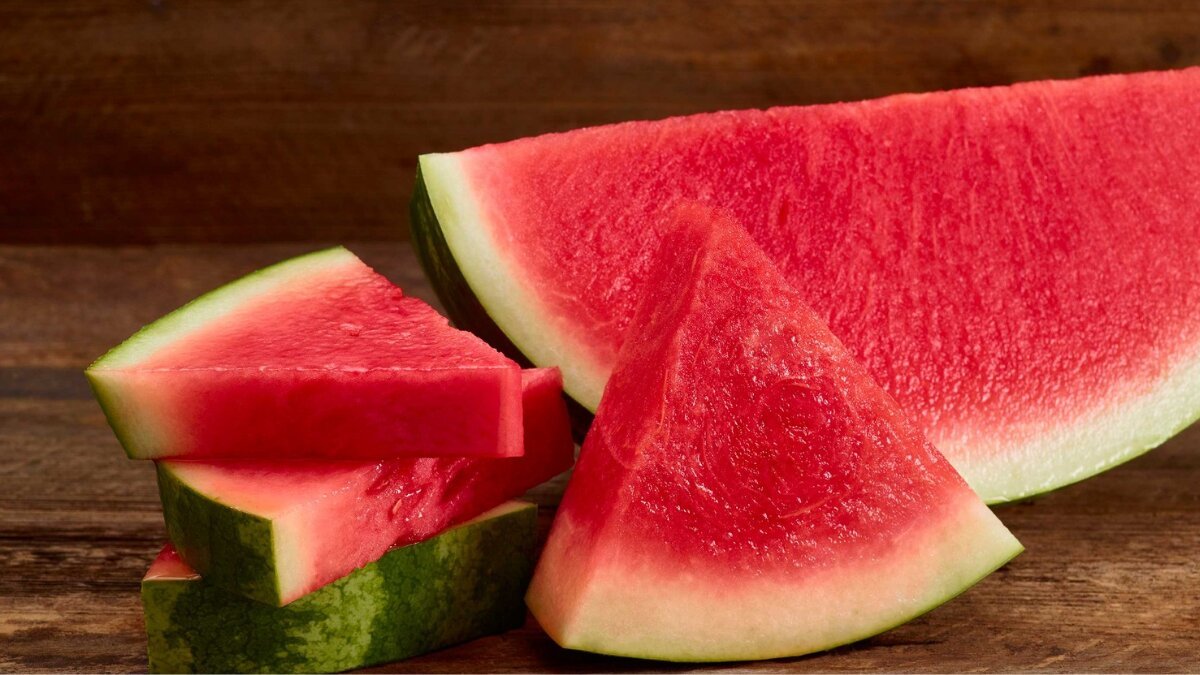
Hydration support with watermelon’s high water content
Watermelon is composed of about 92% water, making it one of the most hydrating fruits available. This makes it an excellent choice for hot weather, helping prevent dehydration without added sugars or preservatives. Staying hydrated is crucial for maintaining energy levels, regulating body temperature, and supporting healthy skin.
The electrolytes present in watermelon, such as potassium and magnesium, also aid in restoring the body’s fluid balance. Including watermelon in your daily summer diet can be a natural and delicious way to beat the heat and maintain hydration levels.
Rich source of lycopene for heart health and cancer prevention
Watermelon is one of the best sources of lycopene, a powerful antioxidant that gives the fruit its vibrant red color. Lycopene is linked to a reduced risk of certain types of cancer, especially prostate and breast cancer. Additionally, it supports cardiovascular health by lowering LDL (bad cholesterol) and reducing blood pressure.
Studies have shown that regular intake of lycopene-rich foods like watermelon can improve artery function and reduce oxidative stress. Unlike tomatoes, where lycopene is more bioavailable when cooked, watermelon offers a raw, ready-to-eat lycopene boost.
Watermelon’s role in muscle recovery and post-workout nutrition
For fitness enthusiasts, watermelon can be a natural alternative to commercial recovery drinks. It contains an amino acid called citrulline, which helps reduce muscle soreness and improve exercise performance. Citrulline enhances blood flow, which means more oxygen reaches the muscles, promoting faster recovery.
Drinking watermelon juice after an intense workout can speed up muscle repair and reduce fatigue. Its high water content and natural sugars also replenish glycogen stores, making it an ideal post-exercise snack.
Supports eye health with beta-carotene and vitamin A
Watermelon is rich in beta-carotene, which the body converts into vitamin A,a key nutrient for maintaining healthy eyes. Vitamin A helps protect the surface of the eye (cornea) and supports good vision, especially in low-light conditions.
Regular consumption of watermelon may reduce the risk of age-related macular degeneration and other eye-related issues. The combination of antioxidants like vitamin C and lycopene also helps prevent damage to eye cells caused by oxidative stress.
Natural blood pressure regulation through potassium and magnesium
Potassium and magnesium are two important minerals found in watermelon that play a vital role in managing blood pressure levels. Potassium helps regulate fluid balance and eases tension in blood vessel walls, while magnesium supports proper nerve and muscle function.
Including watermelon in a balanced diet can be a tasty way to control high blood pressure naturally. It complements other heart-healthy foods and provides essential minerals without the need for supplements.
Watermelon for skin glow and anti-aging benefits
Watermelon’s high vitamin C content is essential for collagen production, which maintains skin elasticity and firmness. Regular intake can result in clearer, more youthful-looking skin. Its hydrating properties also prevent dryness and flakiness, especially during summer.
The presence of antioxidants like lycopene helps fight free radicals that cause skin aging. Consuming watermelon or using it in DIY face masks can improve skin tone, reduce dark spots, and give your face a natural glow.
Weight management with low-calorie and fiber-rich watermelon
Despite its sweet taste, watermelon is low in calories, just about 30 calories per 100 grams. It contains dietary fiber, which promotes satiety and helps control cravings. This makes it a perfect snack for people looking to lose weight or maintain a healthy lifestyle.
Its natural sweetness can also serve as a healthier alternative to desserts and sugary drinks. Replacing processed snacks with watermelon not only supports weight loss but also improves overall nutrition quality.
Improves digestive health through natural fiber content
Watermelon contains both soluble and insoluble fiber, which aid in smooth digestion. Soluble fiber absorbs water and slows digestion, promoting the feeling of fullness. Insoluble fiber helps add bulk to the stool and supports regular bowel movements.
Eating watermelon regularly can help prevent constipation and promote gut health. It’s especially beneficial for people with a low-fiber diet or digestive issues like bloating and irregularity.