
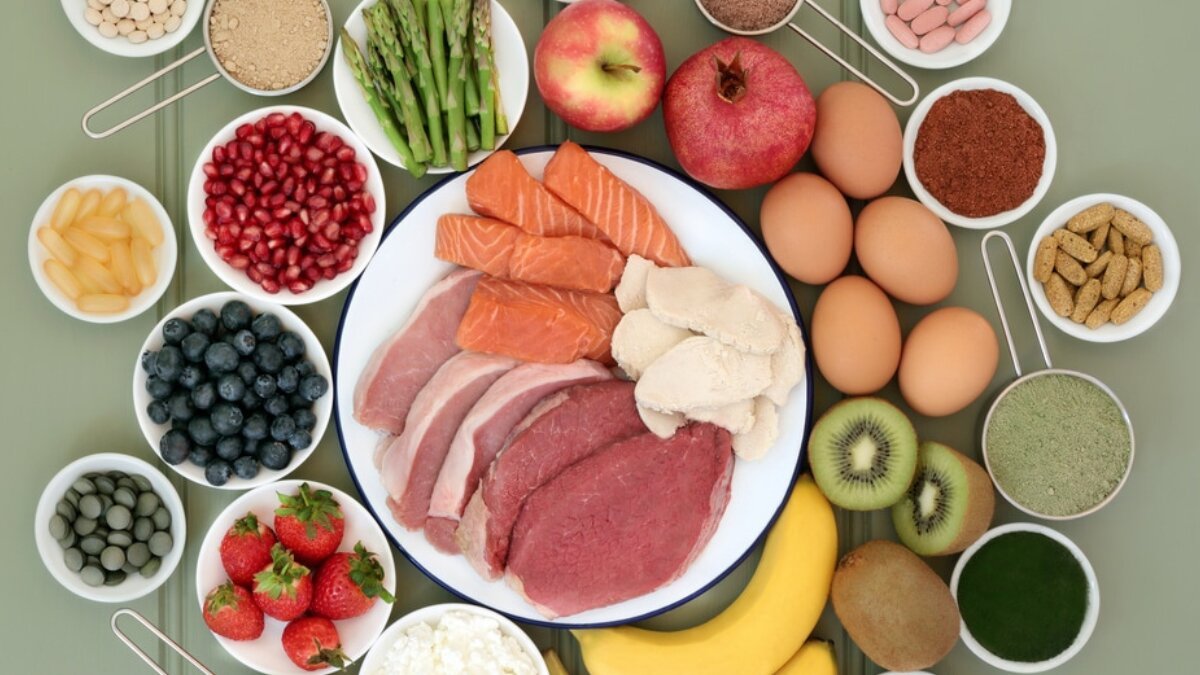
Amino acids are the building blocks of life
Amino acids play a central role in nearly every biological function. They are organic compounds that combine to form proteins and are vital for the growth, repair, and maintenance of body tissues. There are 20 amino acids in total, of which 9 are essential, meaning your body cannot produce them, and you must get them through your diet.
How amino acids contribute to muscle repair and growth
Amino acid rich foods are especially crucial for muscle repair. Branched-chain amino acids (BCAAs) like leucine, isoleucine, and valine are key components in rebuilding muscle tissue after physical activity. Leucine activates a pathway in the body called mTOR that stimulates muscle protein synthesis.
Consuming amino acid rich foods post-workout helps reduce muscle soreness, improves recovery time, and increases lean muscle mass. This is why protein-rich foods like chicken, eggs, and soy are staples for athletes and fitness enthusiasts.
The link between amino acids and energy production
Certain amino acids play an important role in energy metabolism. For example, isoleucine helps in glucose uptake by cells, which supports sustained energy. Methionine assists in fat metabolism and detoxification, and phenylalanine is involved in the production of neurotransmitters that help regulate energy levels and mood.
Amino acid deficiencies can lead to fatigue, weakness, and decreased endurance, especially during physical activity. Including amino acid dense foods in daily meals helps keep your energy levels balanced and consistent throughout the day.
Improving mental focus and mood through amino acids
Tryptophan, an essential amino acid found in foods like eggs, nuts, and dairy, is a precursor to serotonin,a neurotransmitter that affects mood, sleep, and cognition. Tyrosine, found in soy, dairy, and turkey, is used to produce dopamine, which influences motivation, memory, and mental alertness.
By supporting neurotransmitter synthesis, amino acids play a direct role in mental clarity, emotional stability, and reduced symptoms of anxiety or depression.
How amino acids strengthen your immune system
Amino acids also help strengthen the immune system. Glutamine, for example, supports the production of white blood cells and maintains the integrity of the gut lining, which acts as a barrier to pathogens. Arginine plays a role in wound healing and immune response by promoting the production of nitric oxide, which enhances blood flow and cellular defense mechanisms.For individuals recovering from illness or surgery, amino acid rich foods can significantly speed up the healing process by supporting immune and tissue functions.
Best natural sources of amino acid rich foods
To meet your body’s need for essential amino acids, it’s important to consume a variety of complete protein sources. Here are some top natural foods high in amino acids:
- Eggs – A complete protein source with high bioavailability
- Lean meats (chicken, turkey, beef) – Rich in all essential amino acids
- Fish (salmon, tuna) – Provides omega-3 fats along with amino acids
- Dairy (milk, cheese, yogurt) – Especially rich in leucine and lysine
- Soy products (tofu, tempeh, soy milk) – One of the few plant-based complete proteins
- Legumes (lentils, chickpeas, beans) – Combine with grains for complete proteins
- Quinoa – A complete protein grain, suitable for vegetarian diets
- Nuts and seeds (almonds, chia seeds, pumpkin seeds) – High in arginine and tryptophan
Including a balance of these foods throughout the day ensures you get all the essential amino acids your body needs.
How amino acids are absorbed and utilized by the body
Once you consume protein-rich foods, your digestive system breaks them down into individual amino acids through enzymatic action in the stomach and small intestine. These amino acids are then absorbed into the bloodstream and transported to various tissues where they are reassembled into new proteins according to the body’s needs.
This process supports everything from enzyme production and hormone regulation to skin repair and immune defense. Unlike carbohydrates and fats, your body doesn’t store amino acids for later use, making daily intake essential.
Why consistent intake of amino acids matters
Maintaining a diet rich in amino acid foods is not just for athletes or bodybuilders. It’s vital for everyone who wants to maintain energy levels, brain function, muscle health, immune strength, and overall well-being. Ignoring amino acid intake can lead to long-term deficiencies that impact your body’s ability to function properly. Make sure to include diverse protein sources in your meals to naturally meet your daily amino acid needs.