
Pumpkin for Immune Support: A Natural Way to Fight Illness
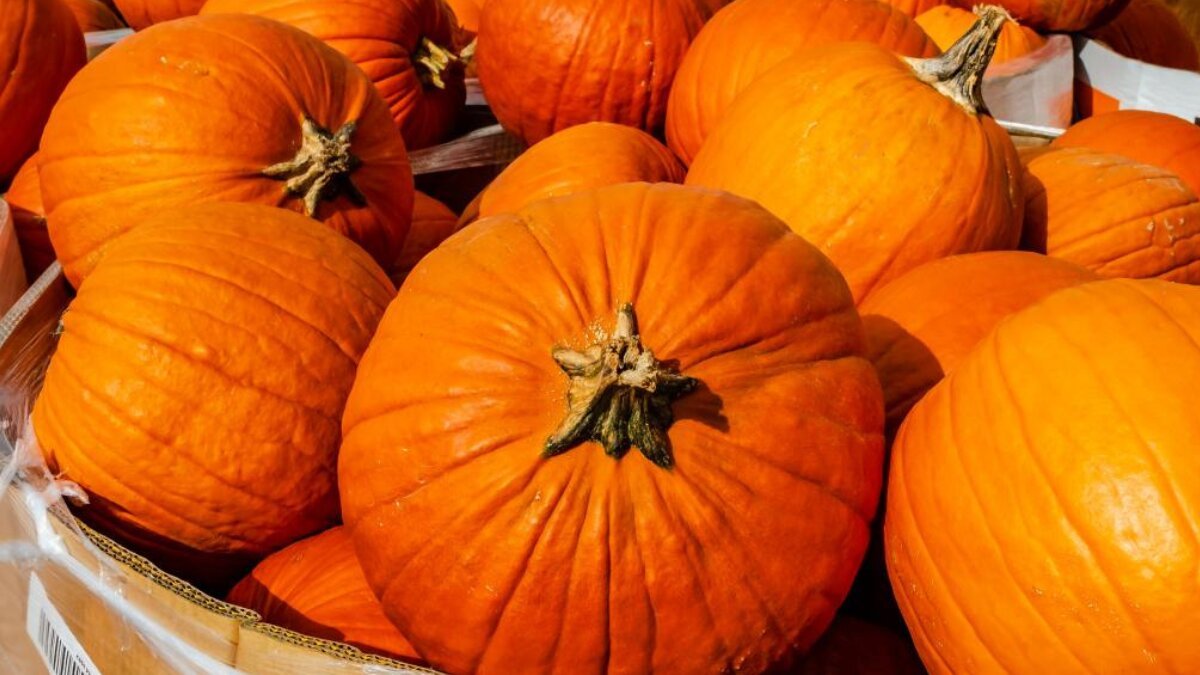
Pumpkin is an excellent source of immune-boosting nutrients, especially vitamin A. This essential vitamin is present in the form of beta-carotene, which gives pumpkin its vibrant orange color. Once consumed, beta-carotene converts into vitamin A in the body, helping to strengthen the immune system.
Additionally, pumpkin contains vitamin C, which further supports immunity by promoting white blood cell production and improving cell function. A regular intake of pumpkin, especially during the cold and flu season, may help the body resist infections more effectively.
High Antioxidant Content in Pumpkin Helps Reduce Chronic Inflammation
Pumpkin is packed with antioxidants such as alpha-carotene, beta-carotene, and beta-cryptoxanthin. These compounds protect cells from damage caused by free radicals. Over time, this protection helps reduce the risk of chronic inflammation, which is linked to conditions like heart disease, cancer, and arthritis.
Unlike some synthetic antioxidant supplements, the natural antioxidants in pumpkin are easily absorbed and utilized by the body. Eating pumpkin regularly may help reduce oxidative stress and keep inflammation levels low.
Pumpkin Supports Heart Health by Managing Blood Pressure and Cholesterol
The potassium content in pumpkin is significant for maintaining healthy blood pressure levels. One cup of cooked pumpkin provides over 500 mg of potassium, making it ideal for those aiming to reduce sodium levels and improve cardiovascular health.
In addition to potassium, pumpkin is low in saturated fat and rich in dietary fiber. These properties support the reduction of LDL cholesterol levels, thereby lowering the risk of heart disease and stroke. Including pumpkin in meals can be a simple and effective way to support long-term heart health.
Pumpkin Promotes Healthy Vision and Protects Eye Health
Pumpkin is one of the best foods for eye health. Its high beta-carotene content not only supports immunity but also helps maintain good vision. The body converts beta-carotene into vitamin A, a crucial nutrient for preventing night blindness and age-related macular degeneration.
Besides beta-carotene, pumpkin also contains lutein and zeaxanthin two powerful antioxidants that protect the eyes from harmful light and oxidative damage. These nutrients are known to prevent cataracts and preserve overall eye function.
Pumpkin Aids Weight Loss Due to Low
Calories and High Fiber
Pumpkin is incredibly low in calories while being high in dietary fiber. One cup of cooked pumpkin contains around 50 calories and 3 grams of fiber. This combination makes it an ideal food for weight management.
The fiber in pumpkin slows digestion, keeps you feeling full longer, and reduces the urge to overeat. Incorporating pumpkin into soups, smoothies, or roasted dishes can help support weight loss goals without compromising on nutrition.
Pumpkin Benefits for Skin: Natural Glow and Anti-Aging Effects
Rich in vitamins A, C, and E, pumpkin nourishes the skin from within. Vitamin A promotes cell turnover, while vitamin C helps with collagen production, keeping the skin firm and youthful. Vitamin E provides hydration and protection against sun damage.
The antioxidants in pumpkin also help reduce signs of aging such as wrinkles and fine lines. Some people even use pumpkin puree in homemade face masks to improve complexion and texture. Regular dietary intake, however, works more effectively over time for sustained skin health.
Pumpkin Seeds Provide Healthy Fats and Magnesium for Brain Function
While the flesh of the pumpkin is nutritious, the seeds are equally valuable. Pumpkin seeds are rich in magnesium, zinc, iron, and healthy fats. Magnesium, in particular, is essential for brain function, mood regulation, and stress relief.
Pumpkin seeds also contain tryptophan, an amino acid that the body uses to produce serotonin, a neurotransmitter that stabilizes mood and promotes better sleep. Snacking on roasted pumpkin seeds can support both mental well-being and energy levels.
Pumpkin Supports Gut Health by Encouraging Healthy Digestion
The high fiber content in pumpkin plays a crucial role in maintaining a healthy digestive system. It helps bulk up the stool and promotes regular bowel movements. This reduces the chances of constipation and supports the overall balance of gut microbiota.
The soluble fiber in pumpkin also acts as a prebiotic, feeding the beneficial bacteria in the gut. A healthy gut microbiome has been linked to improved immunity, better mental health, and efficient nutrient absorption.
Pumpkin is far more than a seasonal favorite it’s a nutritional powerhouse with wide-ranging health benefits. From boosting the immune system and supporting heart health to improving digestion and enhancing skin appearance, pumpkin deserves a year-round place in your diet. Whether enjoyed as a roasted side dish, blended into smoothies, or added to soups, pumpkin offers a delicious and healthy way to upgrade your nutrition.