
Processed ingredients in pre-packaged foods can trigger chronic diseases
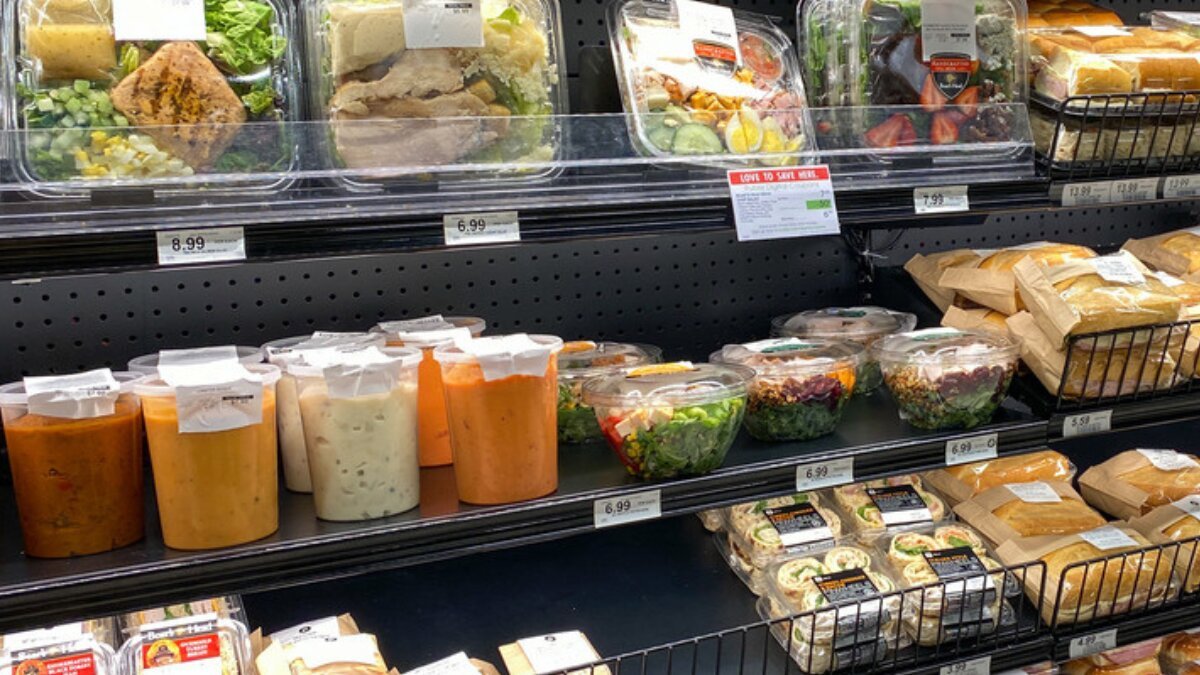
Pre-packaged foods are often made with processed ingredients to extend shelf life, enhance flavor, and improve appearance. These ingredients typically include refined sugars, hydrogenated oils, artificial sweeteners, and preservatives. Regular consumption of these processed components has been linked to increased risk of type 2 diabetes, heart disease, and obesity.
For example, hydrogenated oils contain trans fats that raise bad cholesterol (LDL) and lower good cholesterol (HDL), directly contributing to cardiovascular problems. Similarly, artificial sweeteners like aspartame and sucralose may affect insulin response and gut health when consumed frequently.
High sodium levels in packaged snacks increase blood pressure risks
Salt is widely used in packaged foods not only for taste but also as a preservative. Most pre-packaged snacks, instant noodles, soups, and ready-to-eat meals contain excessive sodium far beyond recommended daily intake.According to global health recommendations, an adult should consume less than 2,300 milligrams of sodium per day. However, a single serving of processed soup or frozen pizza can provide over half of this limit. High sodium intake is directly linked to elevated blood pressure, increasing the risk of strokes and kidney diseases.
Low fiber and nutrient loss due to food processing techniques
The manufacturing process strips pre-packaged foods of natural nutrients like fiber, vitamins, and minerals. This occurs because high heat, chemical additives, and prolonged storage degrade the nutritional quality.For instance, white bread, which is a common packaged item, lacks the fiber and nutrients present in whole grains. Similarly, instant breakfast cereals may be fortified artificially but still fall short of offering natural antioxidants and enzymes found in fresh fruits, vegetables, and whole foods.Consuming low-fiber diets often leads to poor digestive health, irregular bowel movements, and increased risk of colon cancer over time.
Preservatives and additives can cause long-term health complications
To ensure long shelf life, pre-packaged foods contain chemical preservatives such as BHA (butylated hydroxyanisole), sodium nitrate, and artificial coloring agents like Red 40 or Yellow 5. These additives have been studied for their potential link to allergic reactions, hyperactivity in children, and even cancer in long-term exposure scenarios.
Although these substances are approved in small quantities, cumulative consumption through various packaged foods poses serious health concerns. Children and pregnant women are particularly vulnerable to these chemicals due to their developing immune systems and hormonal sensitivity.
Added sugars in packaged desserts increase the risk of metabolic disorders
Packaged foods, especially desserts, energy bars, flavored yogurts, and breakfast cereals, are loaded with added sugars. Excess sugar intake is associated with weight gain, fatty liver, insulin resistance, and even depression.Sugar under different names such as corn syrup, dextrose, maltose, and fructose is often hidden in ingredient labels, making it hard for consumers to track. Studies show that consuming high levels of added sugar leads to increased visceral fat, which surrounds organs and elevates the risk of metabolic syndrome and type 2 diabetes.
Packaging materials may leach harmful chemicals into food
The packaging itself is another overlooked source of health risks. Plastic containers, metal cans, and even cardboard linings can release harmful substances like bisphenol A (BPA), phthalates, and perfluoroalkyl chemicals (PFAS), especially when foods are heated or stored for long periods.
BPA is known to disrupt hormonal balance and has been linked to infertility, obesity, and developmental problems in children. Even “BPA-free” alternatives may contain similar compounds that pose comparable health risks.Avoiding such foods also reduces environmental pollution since most packaging materials are not biodegradable and contribute to global waste.
Lack of food transparency in ingredient sourcing and processing
Many pre-packaged foods come with long ingredient lists filled with unfamiliar terms and vague descriptions. The lack of transparency in how these foods are sourced and processed leaves consumers in the dark about what they’re actually eating.Labels like “natural flavoring” or “proprietary blend” don’t reveal the exact origin or safety of ingredients. This hidden complexity raises concerns about potential allergens, genetically modified ingredients, or cross-contamination especially for individuals with dietary restrictions.
Choose fresh, whole foods for better health and safety
While pre-packaged foods offer convenience, the trade-off includes exposure to high sodium, added sugars, unhealthy fats, and harmful chemicals, all of which contribute to long-term health risks. Making the shift towards fresh, home-cooked meals, whole grains, and organic produce can protect your body, improve your energy levels, and support overall well-being.Next time you’re tempted by the ease of a ready-to-eat meal, consider what’s hidden inside. Your body deserves better fuel.