
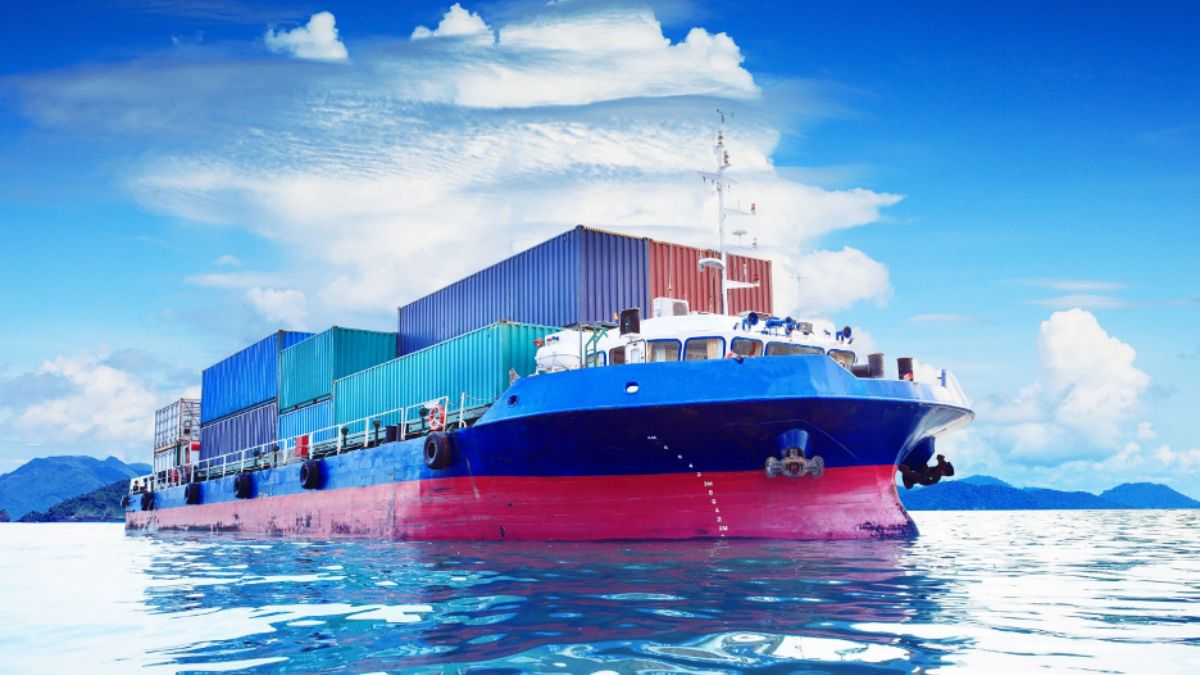
Global supply chains are becoming more complex and interconnected than ever before. From bustling ports to last-mile delivery hubs, the movement of goods is facing heightened risks, including climate-driven weather extremes, geopolitical disruptions, cyberattacks and operational breakdowns. In this environment, traditional marine insurance policy are being stretched to their limits.
Yet this moment is also proving to be a catalyst for transformation. Innovation across marine, cargo, and logistics insurance is opening new pathways to resilience, visibility and value creation. Today, insurers are leveraging digital platforms, real-time data feeds, IoT sensors, satellite tracking and advanced analytics to move beyond reactive protection and towards proactive risk intelligence.
In this blog, we will delve into these opportunities in more detail.
Traditional Insurance Limitations
Marine and cargo insurance has historically relied on static underwriting models, retrospective loss data and manual documentation. Policies are often one-size-fits-all, with limited flexibility for cargo type, journey complexity or changing risk levels during transit. Claims assessment can be slow, requiring extensive paperwork and proof of damage, leading to delays in settlement.
Visibility gaps across the supply chain further limit insurers’ ability to price risk accurately, especially when cargo moves across multiple carriers, geographies and regulatory environments. As supply chains become more dynamic, these traditional frameworks are unable to support the speed, transparency and adaptability businesses now require.
Key innovations transforming the sector
Here are some key innovations transforming the sector:
- Real-time risk monitoring:IoT-enabled sensors, telematics, and satellite tracking provide live data on cargo conditions, including temperature, humidity, location, shock events and route deviations. This enables insurers to assess risk accurately.
- Data-driven underwriting and predictive analytics: Advanced analytics and machine learning models use historical, behavioural and environmental data to forecast risk probabilities. Pricing becomes dynamic and journey-specific, improving underwriting accuracy.
- Parametric and Event-Triggered Cover: Instead of relying on proof of loss, parametric policies pay out automatically when a predefined event, such as port congestion, weather disruption or a breach of a temperature threshold, occurs. This significantly reduces claim processing time.
- Embedded insurance:Coverage can be integrated directly into logistics platforms, freight booking portals, and visibility dashboards. This enables instant policy issuance, seamless documentation and coverage aligned to each shipment’s characteristics.
- Digital claims management: Automated claims workflows and image-based assessment tools shorten settlement cycles and reduce disputes, improving cash flow for businesses.
Benefits of insurance innovation for marine & logistics businesses
Here are some of the key benefits of insurance innovation:
- Lower loss exposure: Real-time monitoring allows early intervention, such as rerouting to avoid extreme weather or flagging abnormal container conditions.
- Optimised cost of risk: Dynamic pricing ensures businesses pay premiums aligned to actual risk rather than broad estimates.
- Faster cash release: Event-triggered and digital claims reduce waiting periods and minimise working capital disruptions.
- Improved compliance and documentation: Digital audit trails reduce errors in bills of lading, manifests, and insurance certificates.
- Greater supply chain transparency: Integrated systems provide visibility across carriers, warehouses and transit stages, enabling informed operational decisions.
How businesses can adopt next-generation insurance solutions
You can follow the steps below to integrate marine transit insurance solutions seamlessly:
- Integrate IoT and GPS tracking: Start with container and fleet-level monitoring to build real-time visibility.
- Leverage digital freight and TMS platforms: Choose partners that offer embedded insurance options and unified data dashboards.
- Engage insurers offering parametric products: Evaluate routes, commodities and common disruption triggers to structure relevant coverage.
- Adopt centralised data sharing protocols: Improve collaboration between shippers, logistics providers, and insurers to enhance underwriting accuracy.
- Train risk and operations teams: Ensure internal teams understand digital workflows, sensor insights and automated claims processes.
Conclusion
Insurance innovation is shifting the role of marine and cargo insurance from a post-loss financial safeguard to an active risk management partner. By adopting data-driven underwriting, real-time monitoring, parametric models, and embedded insurance, businesses can strengthen supply chain resilience, reduce operational volatility and achieve faster financial recovery.
In a trade environment where disruptions are now constant, the ability to anticipate, mitigate, and respond in real time has become a core competitive differentiator.